Politics & Security
Closing the Blue Nile Border Will End the War in Sudan
After weeks of deliberation, Ethiopia's much-heralded national dialogue has delivered its verdict and it looks less like a roadmap to reconciliation than a coronation in waiting. The roughly 4,000 delegates who convened after June's elections endorsed constitutional changes that would merge the powerful prime minister's office with the largely ceremonial presidency, creating a new executive presidency. Few in Addis Ababa doubt who is expected to fill it: Abiy Ahmed, the 50-year-old leader who has governed the Horn of Africa nation of 130 million since 2018, and whose party swept June's vote amid sustained pressure on the opposition and the press.
The mechanics of the transition reveal its logic. The new president would be chosen by parliament — a chamber dominated by Abiy's supporters — and the proposal could reach lawmakers as soon as October, when parliament reconvenes. Supporters insist the office will play a more unifying role, representing all of Ethiopia's ethnic groups rather than tying the leader to a single regional constituency, as the current system does with Abiy's Oromia seat. Tiglu Melese, secretary general of parliament's upper house, argues the change will forge "a more united country" capable of overcoming its crises. The dialogue also recommended cutting funding for ethnically based parties in favour of "national" ones — a move that would conveniently weaken the very forces most likely to resist centralisation.
Critics see a familiar script. The comparison being drawn in Ethiopia is telling: Recep Tayyip Erdoğan's transformation of Turkey's premiership into an executive presidency. "This will simply allow the incumbent prime minister to assume an executive presidency and concentrate power, in effect, in the hands of one person," warns political analyst Befekadu Hailu. In a country with a deep authoritarian tradition, the institutional architecture matters less than the trajectory and the trajectory points toward the consolidation of personal rule under constitutional cover.
The deeper problem is what the dialogue left out. Ethiopia remains riven by ethnic conflict: armed insurgencies grind on in Oromia and Amhara, its two most populous regions, while fears persist that the 2020-2022 war in Tigray — which killed an estimated 600,000 people could reignite. Yet the armed groups fighting the state were excluded from the process, and major opposition parties boycotted it. "This process cannot deliver the country's two greatest needs: lasting peace and stability, and democratic governance," says Merera Gudina, who chairs the opposition bloc that stayed away. Even Naga Tesfaye, a peacebuilding expert who helped facilitate the talks, concedes the recommendations must be "complemented by peace negotiations" between the government, armed groups and the opposition if the guns are to fall silent.
The sessions themselves exposed the fault lines they were meant to bridge. Disputes over the status of Addis Ababa the autonomous capital claimed by the surrounding Oromia region — triggered repeated walkouts. Defenders of the process counter that open contestation is itself an achievement in Ethiopia's political culture. "Bringing together, for the first time, groups with different and competing conceptions of the Ethiopian state was an accomplishment in its own right," says Alamrew Yirdaw, a participant from Amhara. Hirut Gebreselassie, the Dialogue Commission's deputy chair, voices a more patient hope: that contested questions will be resolved gradually, mistrust will recede, and peace will take hold step by step.
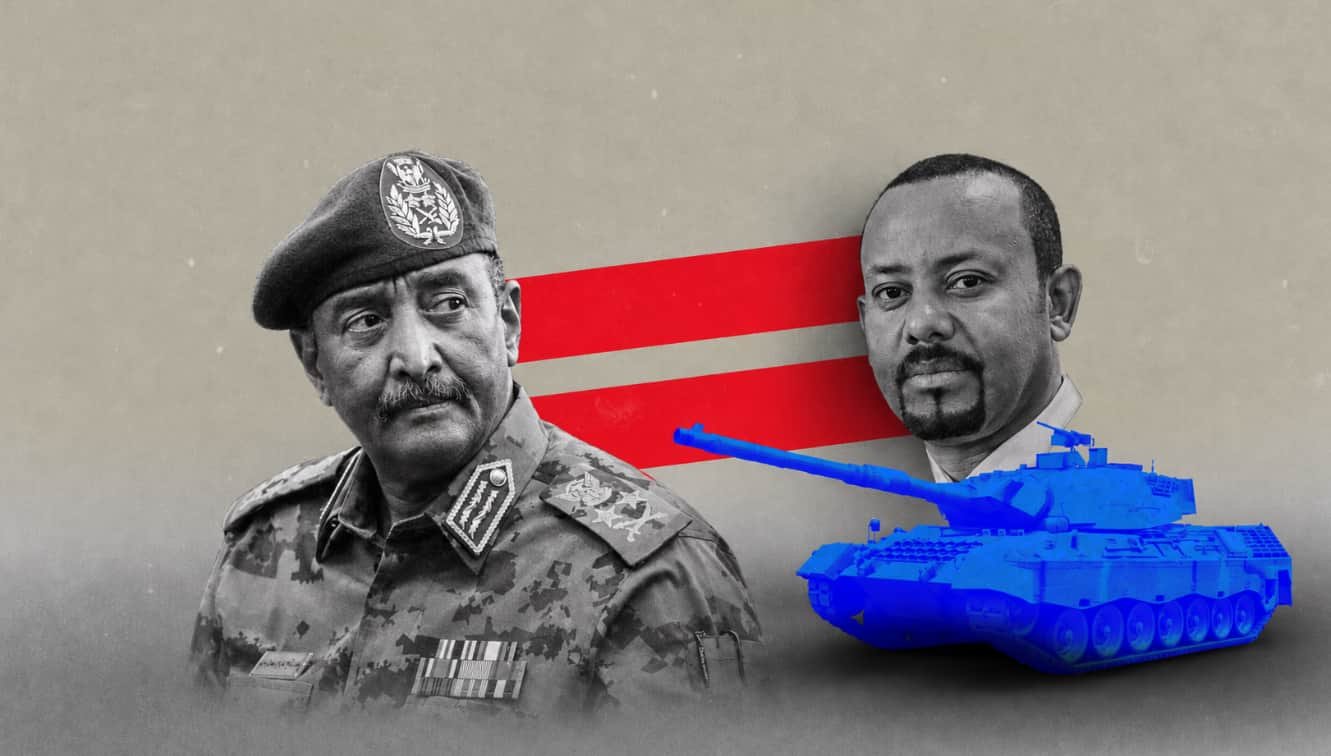
The stakes extend well past Ethiopia's borders. Addis Ababa sits at the centre of an increasingly combustible neighbourhood and, as recent investigations by international media and satellite researchers suggest, an increasingly active player in Sudan's civil war next door. A Horn of Africa anchor state drifting toward personalised rule, while its unresolved internal wars smoulder and its regional entanglements deepen, is not merely a domestic story. If the presidency-for-Abiy project proceeds without the peace negotiations even the dialogue's own facilitators demand, Ethiopia risks trading the appearance of unity for the substance of stability a bargain the region has seen before, and one it can ill afford.