Politics & Security
Tigray's Long Game Is Breaking the Ethiopian State
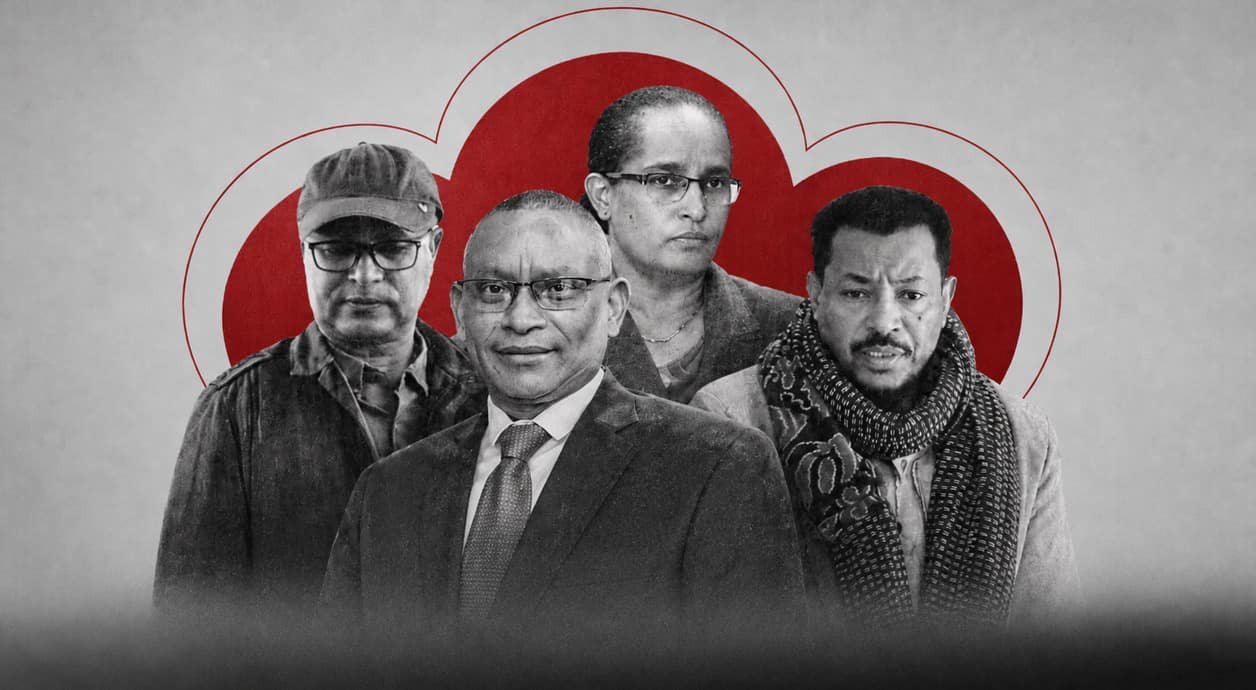
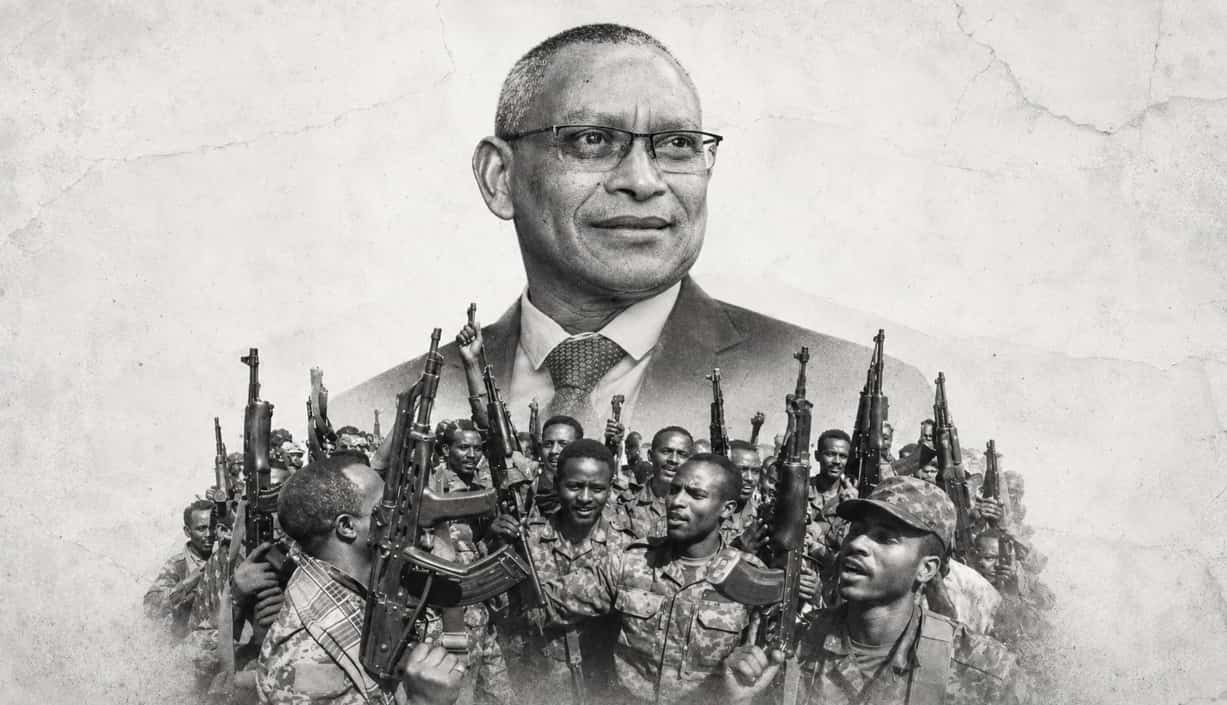
The agreement signed in Pretoria in November 2022 was presented as the African Union's greatest diplomatic achievement: African mediators, in an African capital, had ended a war that killed more than half a million people. It was the tangible proof of the slogan "African solutions to African problems." This week that proof collapsed a thousand kilometers north of where it was signed, with the fall of three airports. Tigrayan forces seized Mekelle, Axum and Shire; the Ethiopian army announced it had killed 272 "enemy troops" and captured 260; the Tigray administration accused the government of "invasion and genocide." In the words of Hassan Khannenje of the HORN Institute in Nairobi, Ethiopia is "back into post-Pretoria war mode." The more accurate statement is this: Pretoria was never a peace, because the institution that secured the signatures had neither the will nor the power to enforce them.
Pretoria was not a peace but a ceasefire. It provided for Tigray's disarmament but deferred the status of Western Tigray, the withdrawal of Eritrean troops and the position of Amhara forces. Filling those gaps was the job of the African Union, the agreement's guarantor. For four years the AU filled none of them. Addis Ababa used the agreement to strip Tigray of its heavy weapons, then kept the region under a semi-siege without salaries, without medicine and dependent on flights; the AU's monitoring mechanism did not report it. When artillery and drones were used on the Sudanese border in August, the AU was silent. When drones struck a food convoy, two schools and a Catholic Relief Services convoy carrying US aid in September, the AU was silent again. After the airports fell, Commission Chairman Mahmoud Ali Youssouf called for "the immediate cessation of all actions that could further escalate tensions" and declared that Pretoria "remains the cornerstone of sustainable peace." Declaring a collapsed agreement a cornerstone is an admission that there is no other stone in hand.
The failure in Tigray is not an exception but a pattern. The same African Union has watched the continent's deadliest war, Sudan, for three and a half years without producing a single functioning mediation mechanism. The Saudis and Americans set up a table in Jeddah, the Gulf in Manama, the UN in Geneva; the AU sat at the head of none of them. The siege of El Fasher, the ethnic massacres in Darfur and the Rapid Support Forces' drone strikes on civilians produced nothing from the AU beyond statements of condemnation.
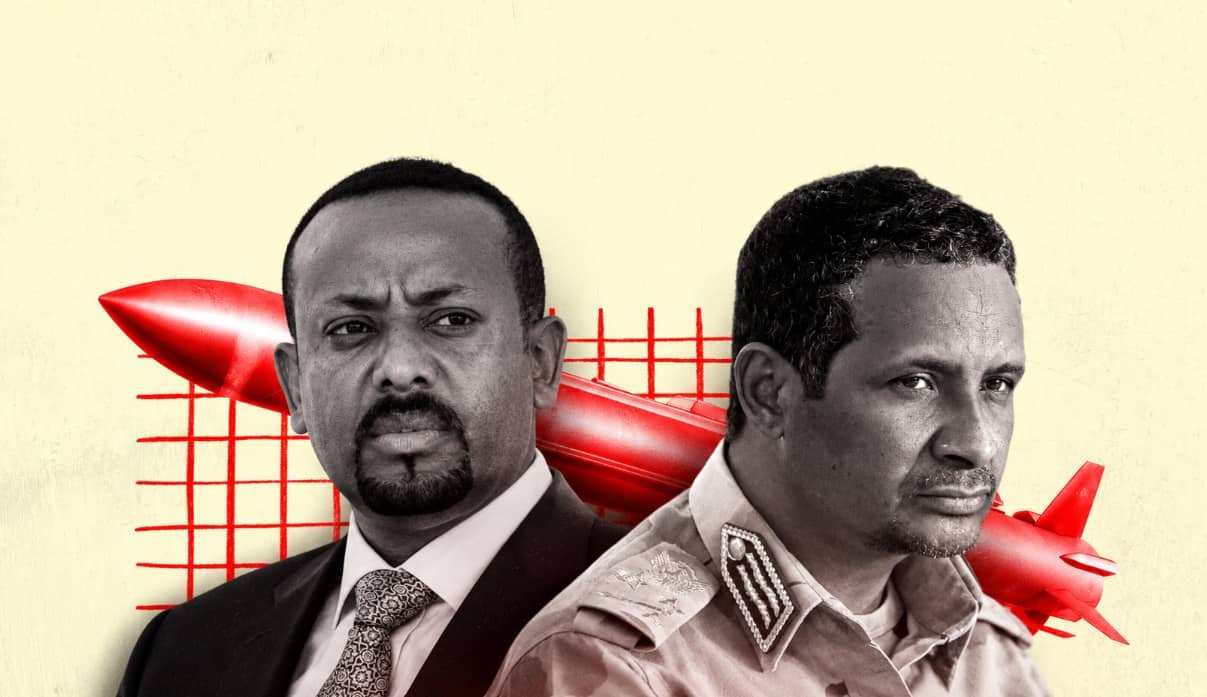
Worse, the AU has been unable to raise its voice against its own members' involvement in that war. The Sudanese army accuses Ethiopia of opening supply lines to the RSF through Assosa, of hosting an RSF camp in Benishangul-Gumuz, and of allowing drone strikes on Sudan from Ethiopian territory. This means one AU member state has become a party by proxy to the war in another AU member state. The AU's founding documents prohibit precisely this: the interference of member states in one another's internal wars. Addis Ababa has never been held to account for these accusations before the AU, because the AU has never asked. An organization headquartered in Addis Ababa could hardly be expected to interrogate its host country over its role in the continent's bloodiest war. This structural dependence makes it impossible from the outset for the AU to be a neutral mediator where Ethiopia is concerned, and it explains why Pretoria was interpreted in Addis's favor.
The collapse of Pretoria shows what any peace led by the African Union amounts to: nothing. The agreement was signed without a guarantor that would impose sanctions when it was violated, name the party that crossed the line, or document the drone strikes. The AU that monitored Tigray's disarmament did not monitor Tigray's siege. The AU that called for a ceasefire in Sudan ignored the support its member Ethiopia gave the RSF. In both cases there is the same organization, the same member state and the same outcome: the peace document is signed, the guarantor withdraws, the war continues.
The consequences extend beyond Ethiopia. The continent's conflict-resolution architecture draws its credibility from the survival of the agreements it produces. Read together, the collapse of Pretoria and the silence on Sudan reveal the AU to be not a mediator but a ceremonial institution: present at signing ceremonies, absent on the ground. Khannenje's warning acquires its meaning here: a new war in Ethiopia would be "a final death nail in the regional and continental mechanisms of conflict resolution." The region could not resolve Sudan; it now faces, in a country of 130 million, a humanitarian catastrophe potentially larger than Sudan's, and the contribution this week of the institution supposed to prevent it was to declare a dead agreement a "cornerstone."
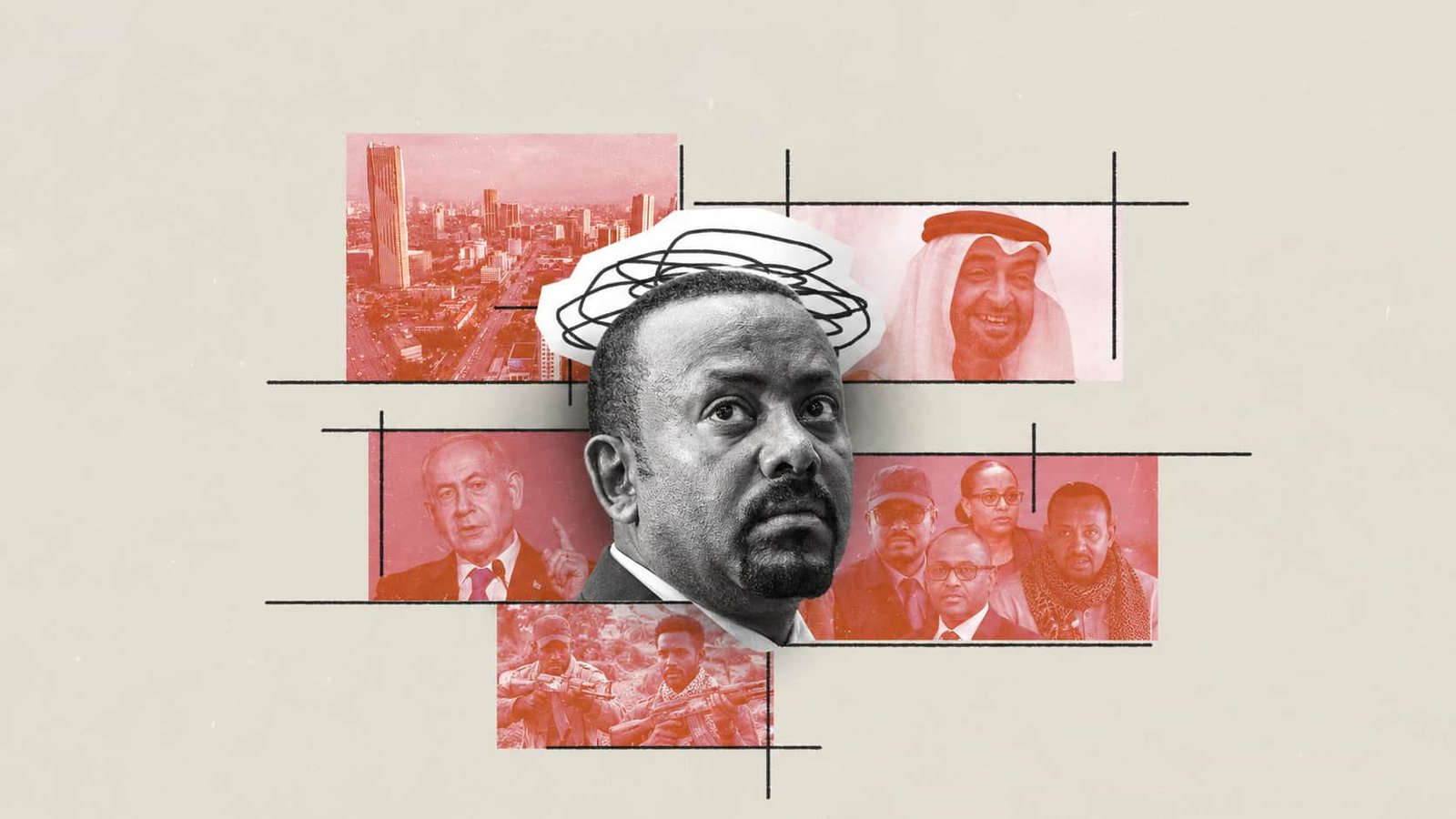
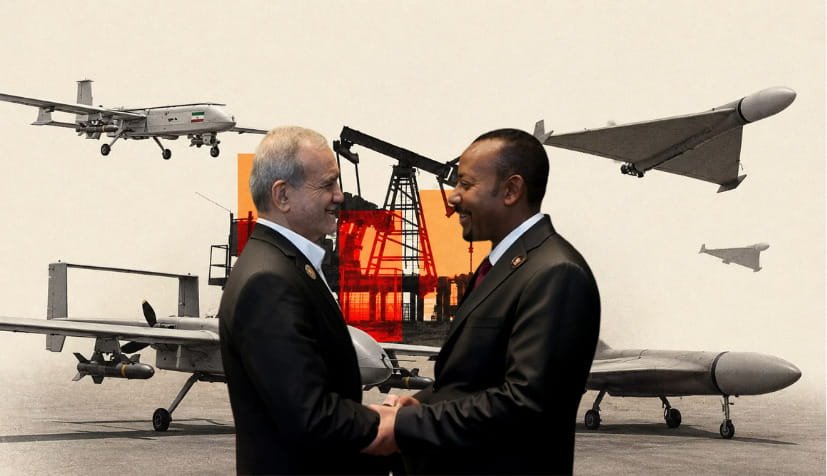
With the African Union out of the picture, who is left? The US State Department expressed "deep concern"; Ambassador Ervin Massinga accused the TPLF leadership, which Washington sanctioned earlier this year, of entering "an unwinnable fight." That is not the language of a mediator but of an actor that has taken a side; Washington needs Addis for its drone war in Somalia. The Gulf is the party supplying Abiy's drones. Eritrea stands with Tigray. Egypt stands against Ethiopia over the Nile. None of Ethiopia's neighbors is neutral, and the continent's own organization, at the moment it is most needed, is too dependent to criticize its own host.
The words of Tesfaye Hailay, speaking from Tigray, are the human face of this diplomatic vacuum: flights have stopped, people fear the internet will be cut, some are storing food but most cannot afford to, because "many people's economic capacity were exhausted" in the last war. "There is no capacity to survive another." Four years ago the African Union promised these people a peace. This week it admitted it was never that peace's guarantor, only its witness. As in Sudan.