Explore
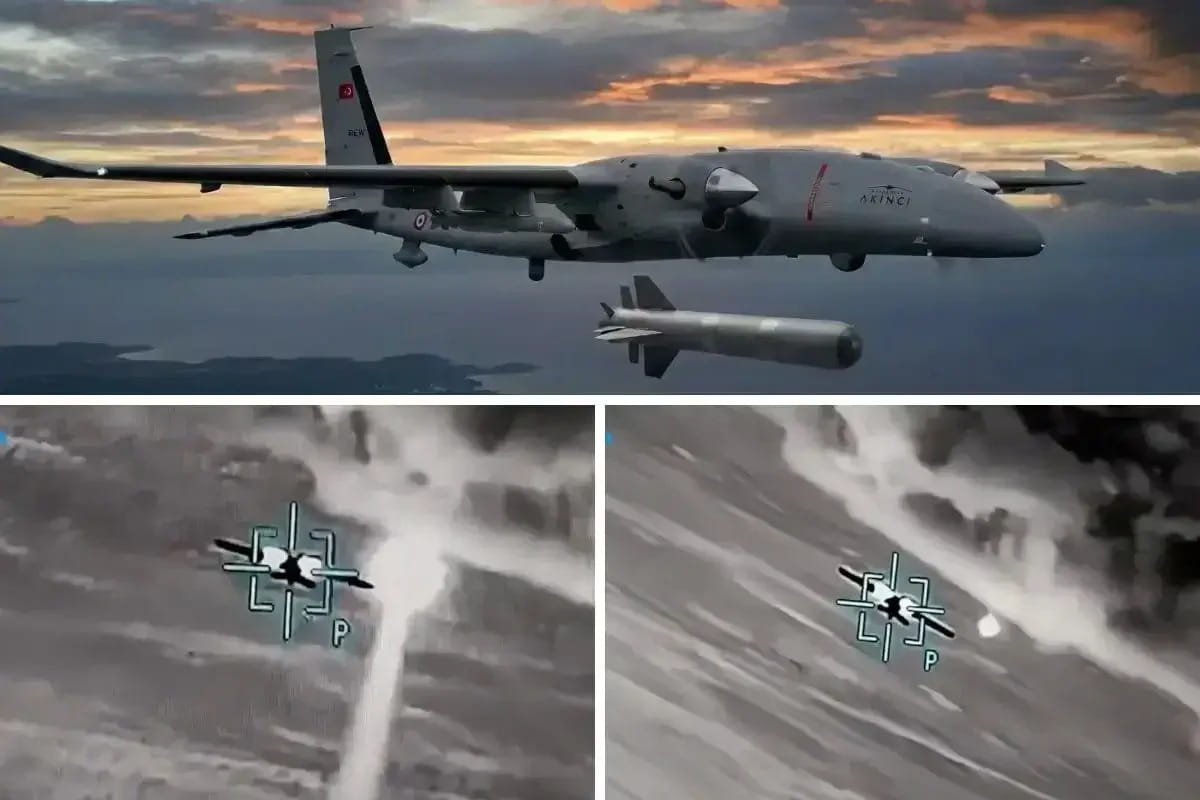
Akıncı Gives Sudan’s Army Total Command of the Skies
Anyone attempting to frame the war in Sudan as merely a power struggle between two rival generals is missing the most obvious reality on the ground. For an irregular militia fighting a conventional army to sustain this operational tempo, absorbing relentless airstrikes and massive ammunition expenditures, defies basic military logic. The Rapid Support Forces (RSF) have not held out this long because of any internal resilience; they have survived because the external logistics tap behind them has never been turned off for a single day.
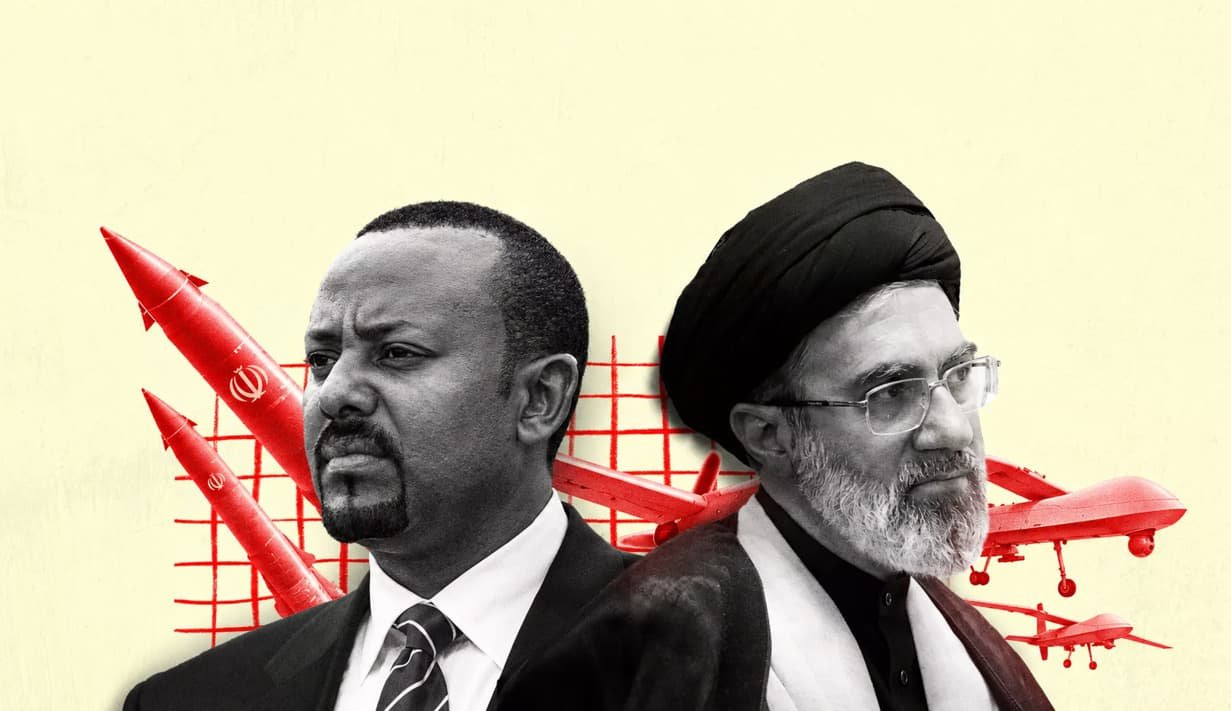
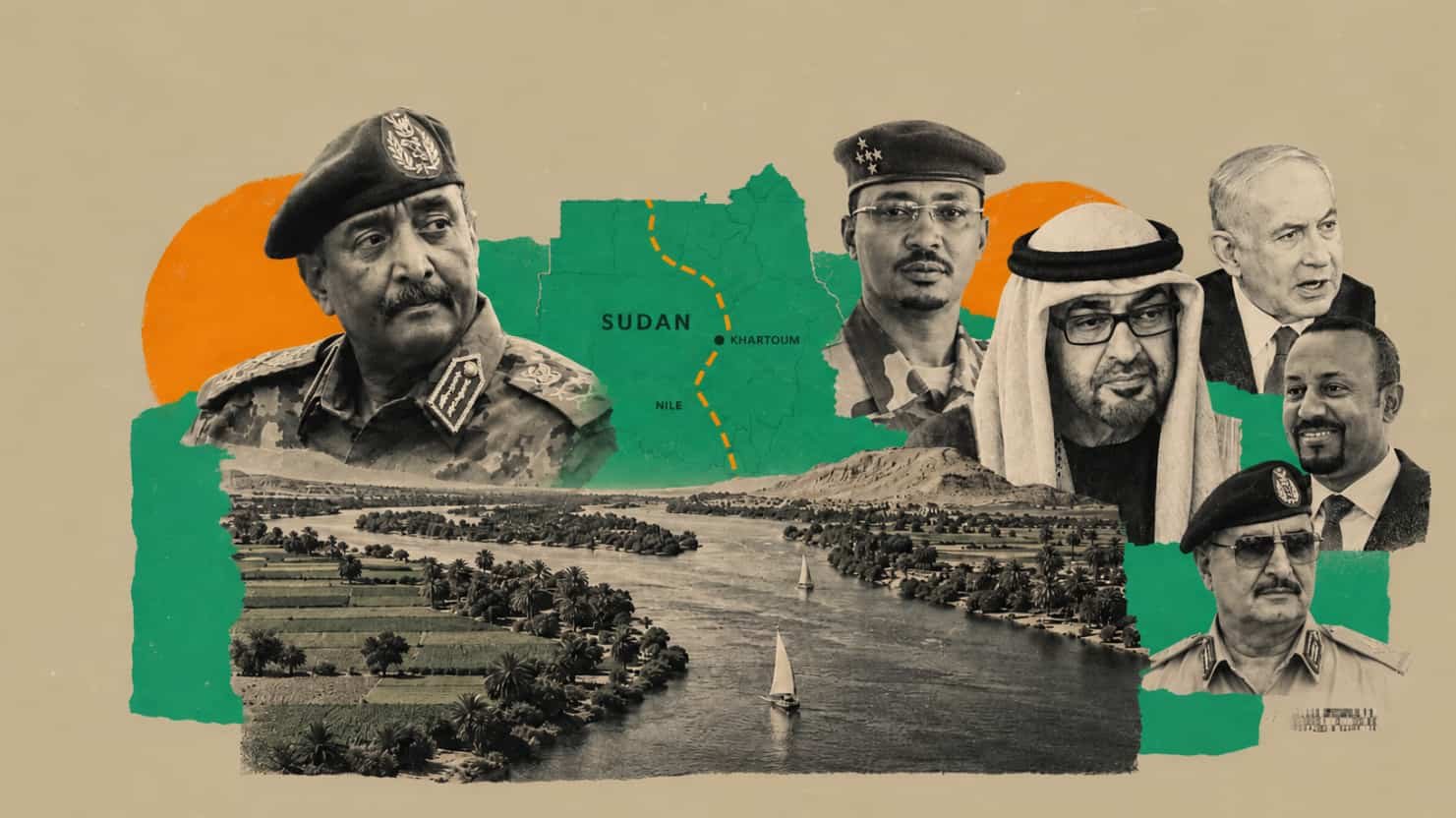
Flight tracking data and open source intelligence tell the story clearly: over the past ten months, roughly 350 cargo flights have touched down in the region, bankrolled by the UAE and enabled by Ethiopia’s border leniency. Without the steady influx of kamikaze drones, guided missiles, and tons of munitions delivered by those flights, the Sudanese Armed Forces would have brought this war to a military end at least five months ago. No militia cut off from its ammunition and external supply chains could hold out across a country as vast as Sudan. Addis Ababa deliberately enabled this conduit to wear down Khartoum amid its dam dispute with Egypt and regional power plays. Now, a country on the brink of total collapse is paying the price.
This is precisely why the war's true center of gravity will not be resolved at negotiation tables in Geneva or in the ruined streets of Khartoum. The real tipping point lies in the southeast, right along the Ethiopian border in Blue Nile State. The militia’s supply lines running through Chad into Darfur are sluggish across the desert and exceptionally vulnerable to Sudanese airstrikes. What actually gives the RSF its strategic depth and access to advanced hardware is this eastern corridor, running from Ethiopia’s Benishangul Gumuz region into rural Blue Nile and up through Sennar into the heart of the country.
This reality also explains why international ceasefire efforts keep falling flat. You cannot expect a belligerent to make concessions at the bargaining table while an uninterrupted pipeline of drones and ammunition flows across the border. For the Sudanese military, the path to flipping the board is straightforward: the moment the army sweeps the militia from Blue Nile State and physically seals the Ethiopian border, the RSF’s lifeline is cut. Once that foreign logistics and tech support dries up, the unraveling of these isolated militia pockets becomes a matter of weeks. The fate of the war in Sudan will not be decided in diplomatic hotel suites; it will be decided along the border in Blue Nile.