Politics & Security
Is Ethiopia Now Fighting Alongside Al-Shabaab in Somalia?
MOGADISHU, SOMALIA A growing controversy is surrounding Ethiopia’s military operations in southern Somalia, following reports that positions previously held by Ethiopian forces have been abandoned, raising concerns over security failures, alleged financial interference, and the possible expansion of Al-Shabaab’s influence.
Local sources in Somalia’s Bay and Bakool regions allege that several strategically important settlements were left exposed to Al-Shabaab without significant resistance. More seriously, some sources claim that payments allegedly linked to the United Arab Emirates (UAE) were used to influence local military commanders and facilitate the withdrawal or surrender of positions.
These allegations remain unverified, but their implications are serious enough to warrant an independent international investigation.
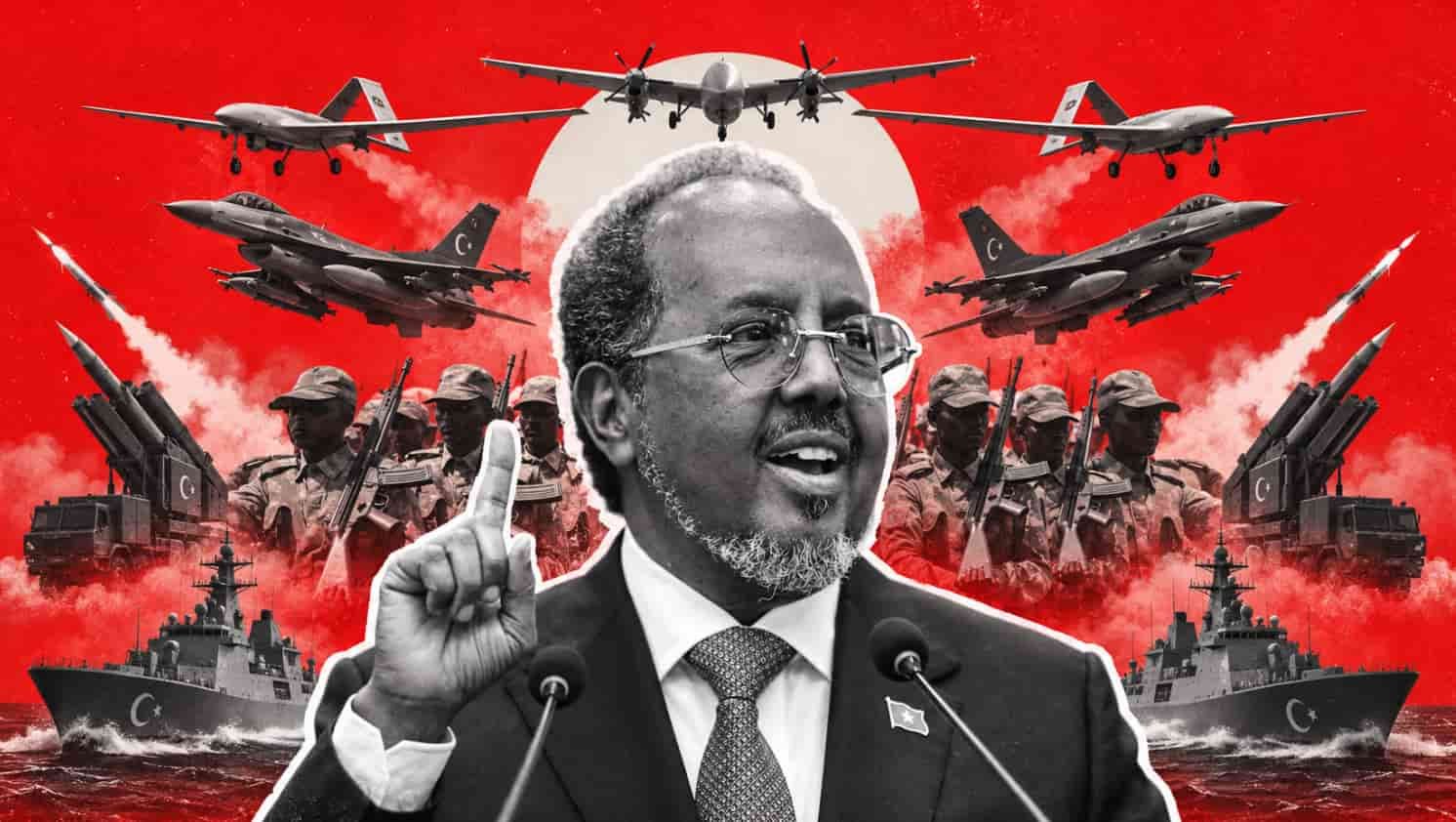
For years, Ethiopian troops have been presented as a frontline barrier against Al-Shabaab in Bay, Bakool, and Gedo. Yet recent withdrawals have raised questions about whether Ethiopia’s military deployment is still serving its declared counterterrorism objectives.
One particularly significant development occurred in Burhakaba, where Ethiopian troops transferred a military base to the Somali National Army in August 2026. The handover was officially reported as a transfer to Somali forces, rather than a surrender to Al-Shabaab. Nevertheless, concerns persist about whether security arrangements following such withdrawals are sufficient to prevent militants from exploiting gaps in territorial control.
The controversy extends far beyond Ethiopia.
European taxpayers are helping finance a peacekeeping operation whose effectiveness and accountability now face renewed scrutiny.
In April 2026, the European Union approved an additional €75 million for the African Union Support and Stabilisation Mission in Somalia (AUSSOM), bringing its cumulative support for successive African Union missions in the country to nearly €2.8 billion since 2007.
That funding is intended to strengthen security, support deployed personnel, and protect civilians from Al-Shabaab and other armed groups.
However, when internationally supported military positions are vacated and militants subsequently exploit the resulting security gaps, legitimate questions arise about operational oversight, command decisions, and the use of international resources.
Are international donors receiving an accurate picture of security developments on the ground? Who authorizes the withdrawal of strategically important positions? And what safeguards ensure that international military assistance does not indirectly benefit the very militants it is intended to contain?
The allegations involving the UAE introduce an additional and potentially explosive dimension.
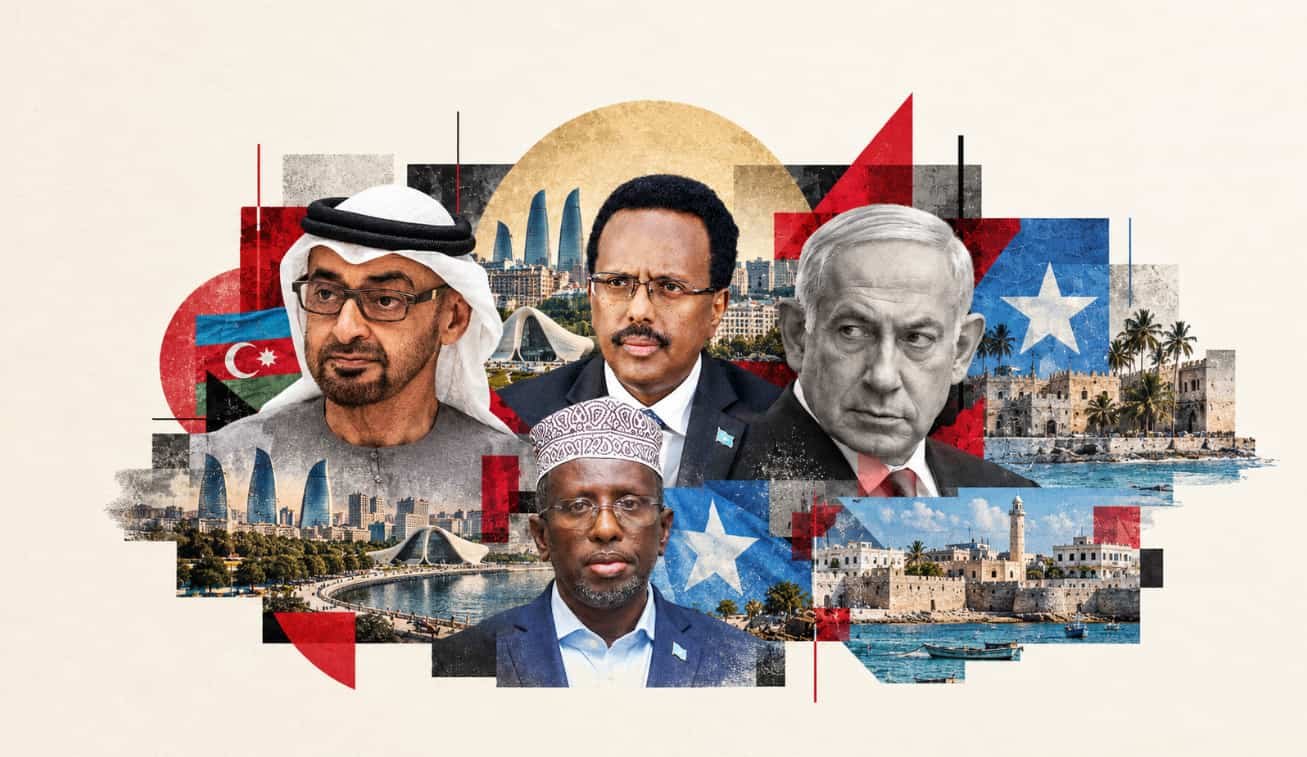
Abu Dhabi’s growing involvement in the security and political affairs of the Horn of Africa has already generated intense regional debate, particularly concerning Somalia, Sudan, and the increasingly sensitive relationship between Ethiopia and Eritrea.
If evidence emerges that UAE-linked financial networks influenced military decisions benefiting Al-Shabaab, the consequences could extend beyond Somalia and trigger serious diplomatic questions for Ethiopia, the UAE, and international partners supporting regional security operations.
At present, however, no independently verified evidence has established that UAE funds were used to bribe Ethiopian or Somali commanders to transfer territory to Al-Shabaab. The allegation therefore requires substantiation through financial records, witness testimony, and independent investigation.
What is clear is that the security of southern Somalia cannot depend indefinitely on military arrangements whose effectiveness becomes uncertain whenever foreign troops reposition or withdraw.
The African Union, Ethiopian military authorities, Somalia’s federal government, and international donors face growing pressure to provide transparent explanations of troop movements, security handovers, and the mechanisms used to prevent Al-Shabaab from filling vacuums left behind.
The central issue is no longer simply how much the international community spends on fighting Al-Shabaab. It is whether that spending produces accountable security outcomes on the ground.
Without transparency and credible oversight, further withdrawals risk undermining confidence in the international counterterrorism effort and weakening the security of communities that have already endured years of militant violence.
For Somalia, the stakes are immediate: every security vacuum creates another opportunity for Al-Shabaab to extend its influence.
For Western governments, the question is increasingly difficult to avoid: Who is being held accountable when internationally funded security operations fail to prevent militant territorial expansion?