Opinion
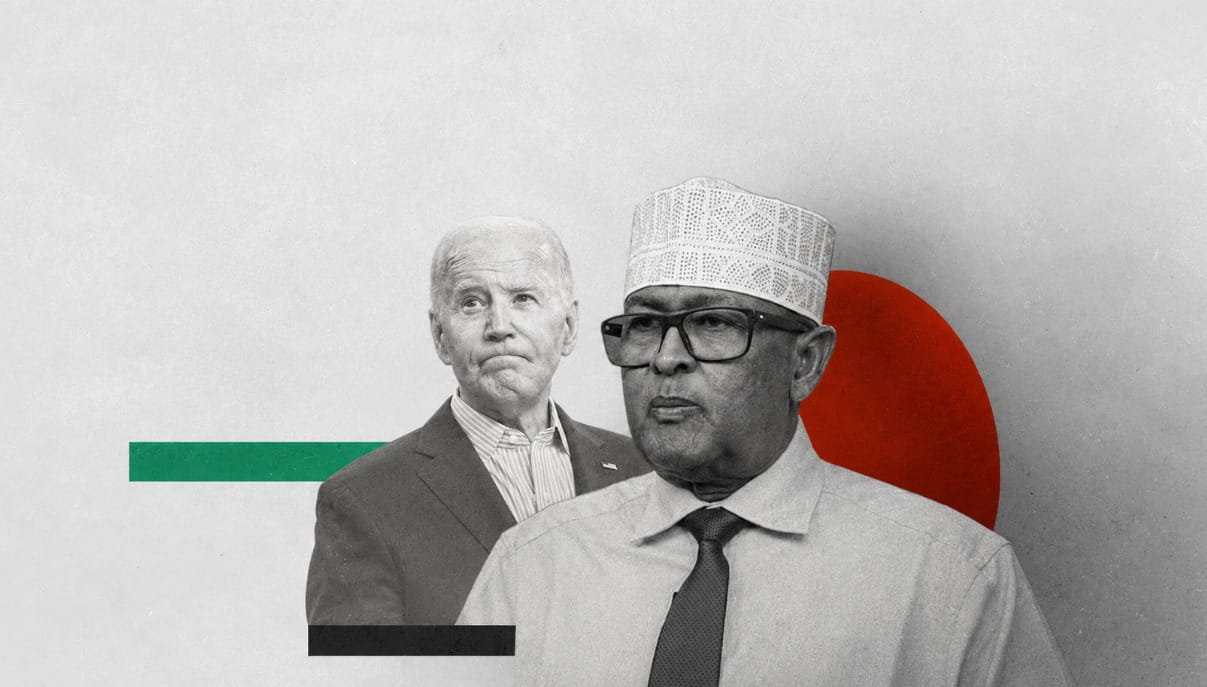
African Biden: Irro's Washington Fiasco Laid Bare
Why the UAE's Outreach to Somalia's Regional Leaders Threatens Fifteen Years of State-Building
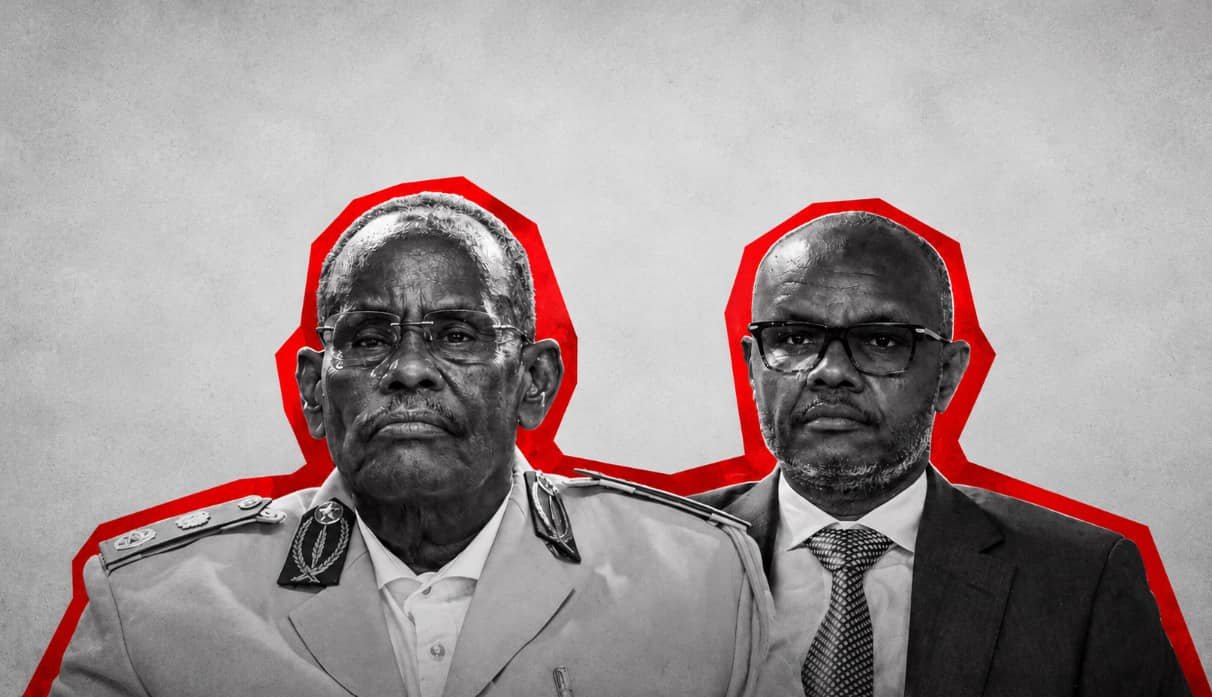
When Puntland President Said Abdullahi Deni and Jubaland President Ahmed Madobe left Nairobi for Abu Dhabi this week, they were not traveling as private citizens. They went as heads of federal member states of the Somali republic, to meet senior officials of a country with which their own federal government has just severed every formal agreement. Reports that opposition figures Abdirahman Abdishakur and former president Sharif Sheikh Ahmed would join the delegation make the trip harder still to read as routine diplomacy. It looks, instead, like the opening of a parallel foreign policy.
The timing is what gives the visit its weight. In January, Somalia's Council of Ministers terminated all bilateral agreements with the United Arab Emirates, covering ports, security, and defense cooperation, including the arrangements at Bosaso in Puntland and Kismayo in Jubaland. Mogadishu cited what it called credible evidence of Emirati actions undermining Somali sovereignty and unity, a charge sharpened by the unauthorized use of Somali airspace to extract a Yemeni separatist leader and by the widespread belief in Mogadishu that Abu Dhabi facilitated Israel's recognition of Somaliland. The federal government's message was unambiguous: the Emirati relationship, as constituted, had become a threat to the state itself.
That two regional presidents would respond to this rupture by flying to Abu Dhabi is not a footnote to the crisis. It is the crisis.
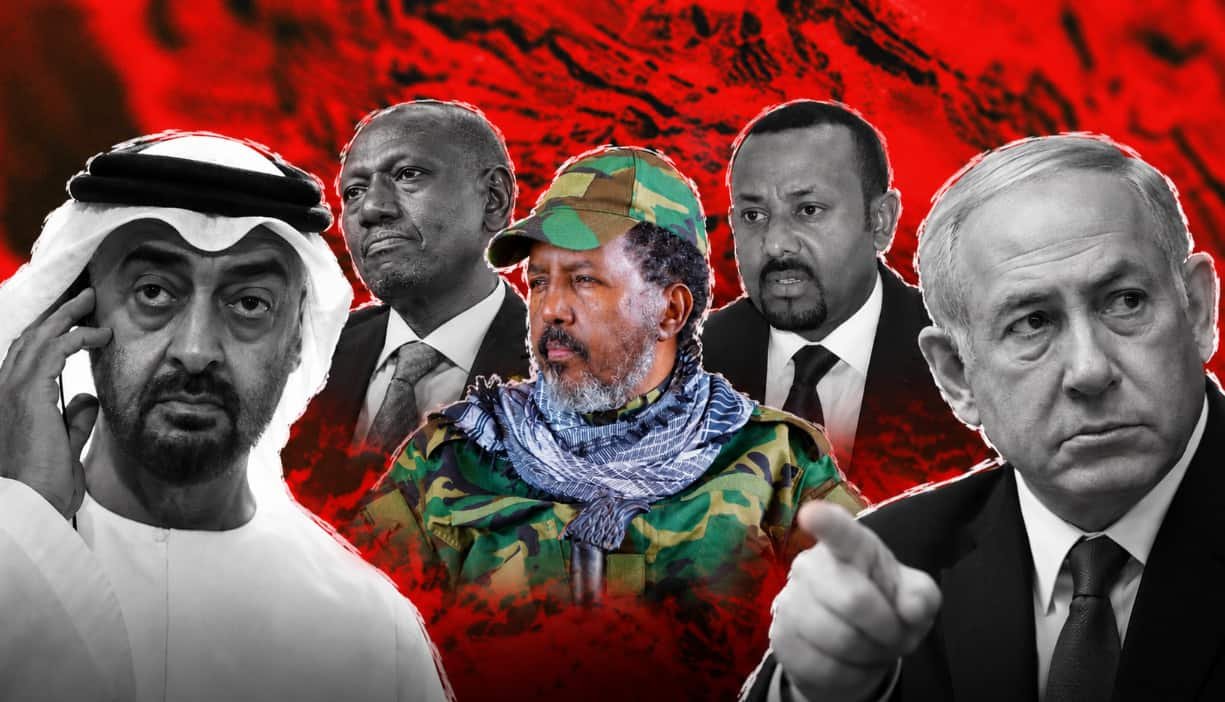
The UAE's method in the Horn of Africa has been consistent for a decade: where relations with a central government sour, cultivate the periphery. Port concessions in Berbera, a base and terminal in Bosaso, security assistance in Kismayo. Each arrangement was negotiated with a regional administration, often over Mogadishu's objection, and each gave Abu Dhabi leverage that survived whatever happened in the capital. Critics of this approach, and they now include the Somali cabinet, argue that the cumulative effect has been to hollow out the federal government's authority over its own coastline and to reward regional leaders for defying the center.
Seen through that lens, this week's talks are not a new initiative but the continuation of an old one. The federal government has walked away; the Emiratis are testing whether the pieces of Somalia will deal separately. Officials in Mogadishu allege that Emirati financing, and in some accounts weapons, have flowed to regional strongmen precisely to keep that option open. Abu Dhabi denies any intent to fragment Somalia, and the harder claims about arms transfers remain unproven in public. But the pattern of engagement does not require proof of a master plan to be corrosive. A state whose regions conduct their own defense diplomacy is, functionally, less than a state.
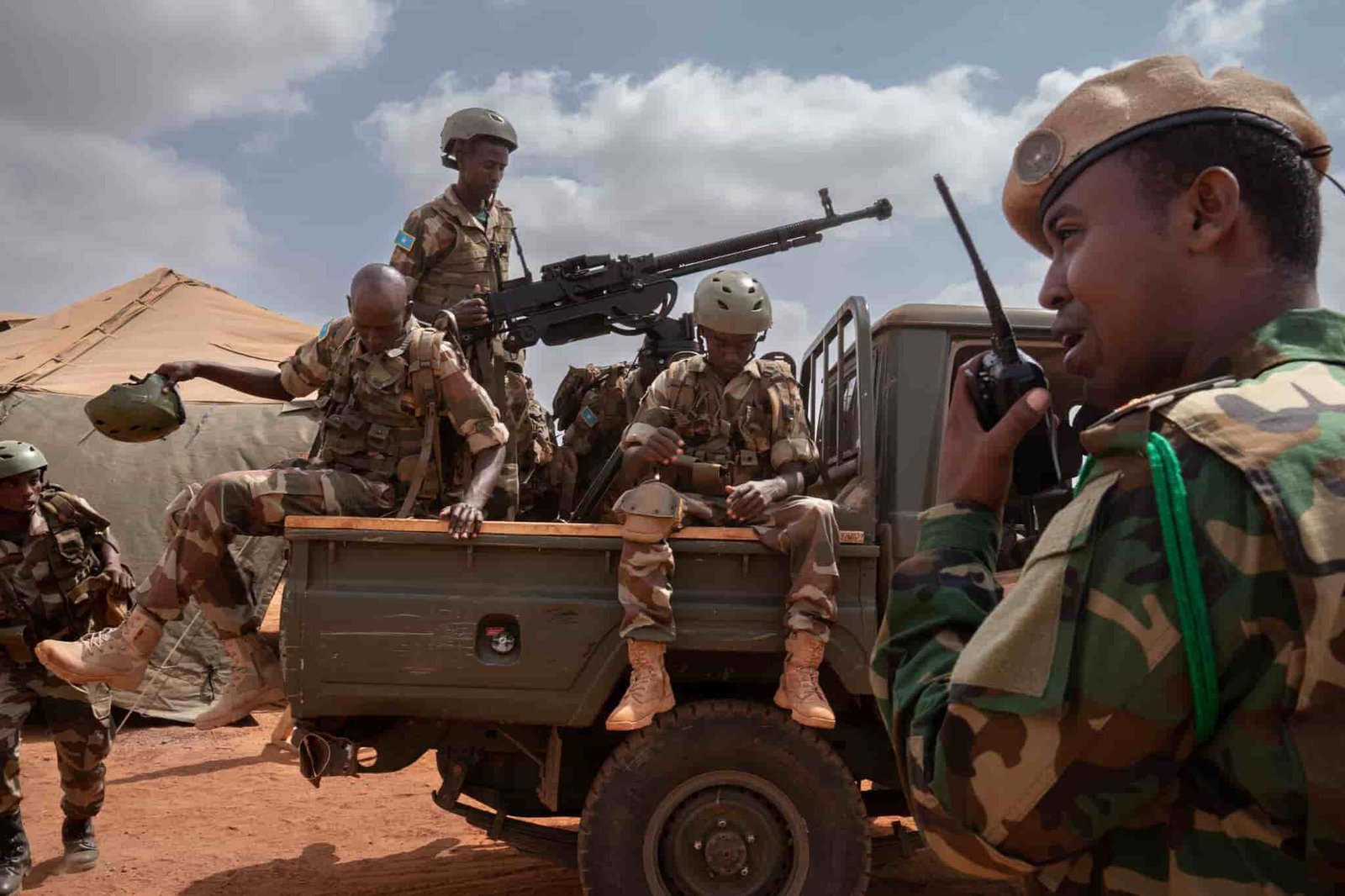
The deeper problem is what this contest interrupts. Since roughly 2012, Somalia has been engaged in the slow, unglamorous work of rebuilding institutions: a federal parliament, a national army under unified command, revenue systems, debt relief, a constitutional review. The gains are fragile and uneven, but they are real. Mogadishu is currently living through its calmest stretch since 2022, a fact residents feel in reopened businesses and evening streets, even as al-Shabaab remains a lethal presence in the countryside. Security of that kind is not produced by any single actor. It is produced by institutions that answer to one government.
External patronage of regional leaders works directly against that logic. When a federal member state president can secure funding, security backing, and diplomatic access in a Gulf capital, his incentive to bargain within the constitutional system collapses. Why negotiate with Villa Somalia over the electoral framework when Abu Dhabi offers resources without the negotiation? Deni and Madobe are already locked in a bitter dispute with the federal government over the constitution and the shift toward direct elections. Their decision to seek Emirati backing at this exact moment tells Somalis that the argument over the country's political future will be settled not in parliament but in foreign anterooms. That is the precedent that should alarm anyone invested in Somali statehood, whatever they think of President Hassan Sheikh Mohamud's constitutional amendments.
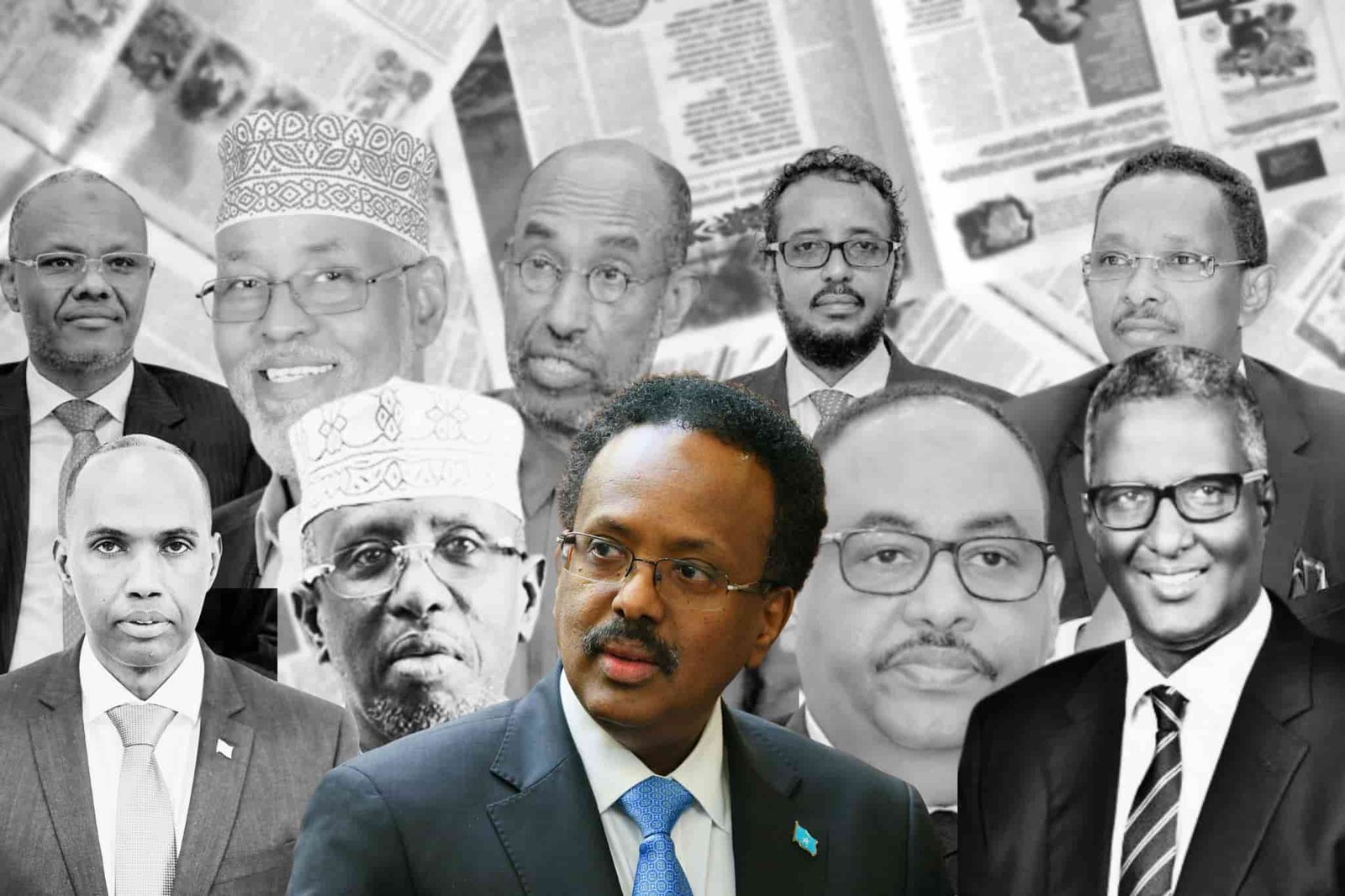
The participation of national opposition figures compounds the damage. Abdishakur and Sharif Sheikh Ahmed have every right to oppose the government's electoral course, and there are serious arguments that the amendment process lacked adequate consensus. But there is a difference between contesting a constitution and appealing to a foreign power that the state has just formally accused of subverting it. Fifteen years of institution-building have been premised on a simple rule: Somali disputes get resolved by Somalis, inside Somali institutions. The Abu Dhabi delegation treats that rule as optional.
Honesty requires acknowledging what the regional leaders would say in their own defense. Puntland and Jubaland argue that the federal government has itself broken the constitutional bargain, amending the provisional constitution without their consent and centralizing power in ways the federal design never envisioned. From Garowe and Kismayo, the UAE is not a spoiler but the partner that actually delivered: ports, salaries, trained forces, counter-piracy and counterterrorism capacity that Mogadishu could not provide. Emirati-supported units have fought the Islamic State in Puntland's mountains. Cutting those ties by cabinet decree, the regional view holds, punished the periphery for the center's quarrel with Abu Dhabi. These grievances are not invented, and any durable settlement will have to address them.
But grievances do not change the structural point. A federation in which the units answer external patrons rather than a shared constitution is not a federation. It is a holding pattern before partition. Somalia has watched that film before, and so has the region: Libya, Yemen, Sudan all show what happens when outside powers arm and finance subnational actors as instruments of influence. The Emiratis may sincerely believe they are backing capable partners against a difficult government in Mogadishu. The effect, regardless of intent, is to keep Somalia negotiable, divisible, and weak.
The federal government's severing of ties was a blunt instrument, and bluntness carries costs. But the answer to those costs is a renegotiated national compact, ratified in Mogadishu, not a shadow diplomacy run through Abu Dhabi. The leaders boarding that plane should be asked one question when they return: on whose behalf, exactly, did they go?