Opinion
UAE's RSF Model Comes to Somalia: Abu Dhabi's Proxy Turn
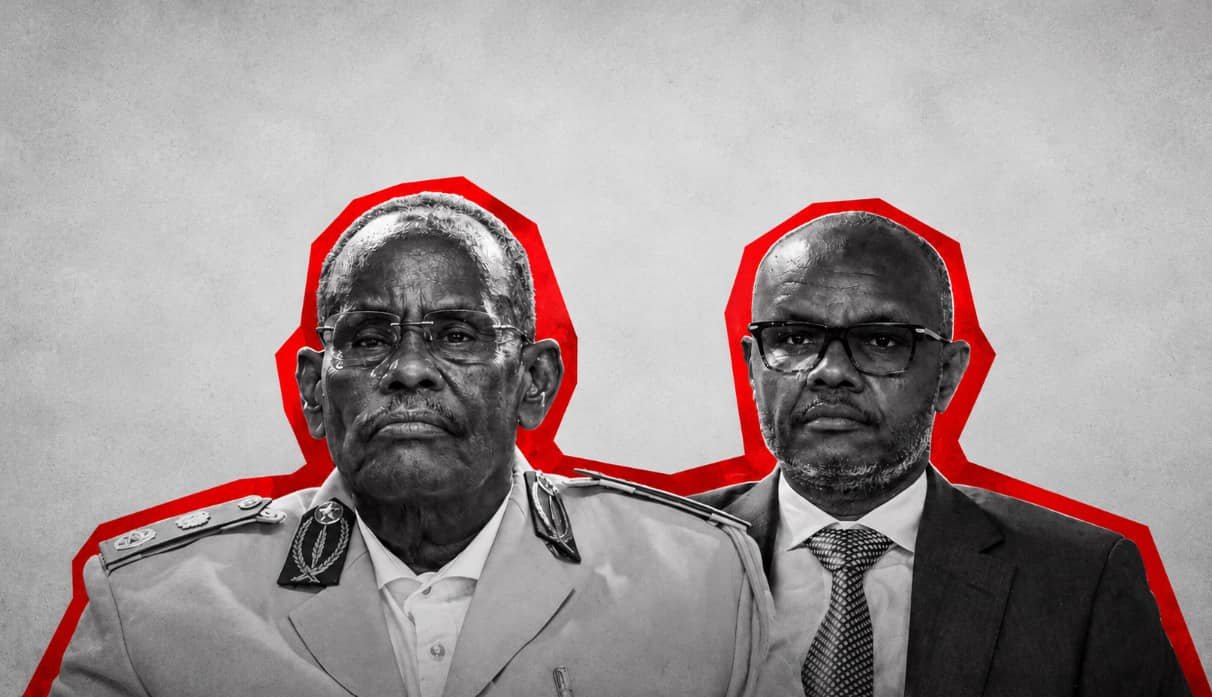
The stage in Washington had been assembled in advance, with hundreds of thousands of dollars paid to lobbying firms: a carefully prepared platform on which the head of the separatist entity in northern Somalia would speak on behalf of a "country" that has no standing in international law. What the videos that emerged actually showed was a collapse that even the money could not salvage. A frail and aging figure, incapable of delivering the very briefing he had come to deliver; a man with not a single argument to hold onto in the face of serious questions, seemingly unaware of what he was saying or what he was defending. The verdict of one observer who watched the event was merciless: this was not a leader trading witty remarks this was watching "an African Biden."
The comparison lands because of what it invokes. Joe Biden's final years passed under the shadow of the question of whether he was fully lucid — the stumbling delivery, the thoughts breaking off mid-sentence, the moments of visible disorientation on foreign stages; the impression of a leader wandering through his own presidency without command of it, managed by his staff rather than managing them. Attaching the same frame to Irro points not to a single bad night but to a continuing condition: a figure showing signs of serious mental fatigue and detachment, with no command of the issues, present in body but absent in command. The difference is this: Biden, whatever else, was the elected president of a real state. Irro sits atop an unrecognized entity, on a stage that is not his own, unable to carry even a script that is not his own.
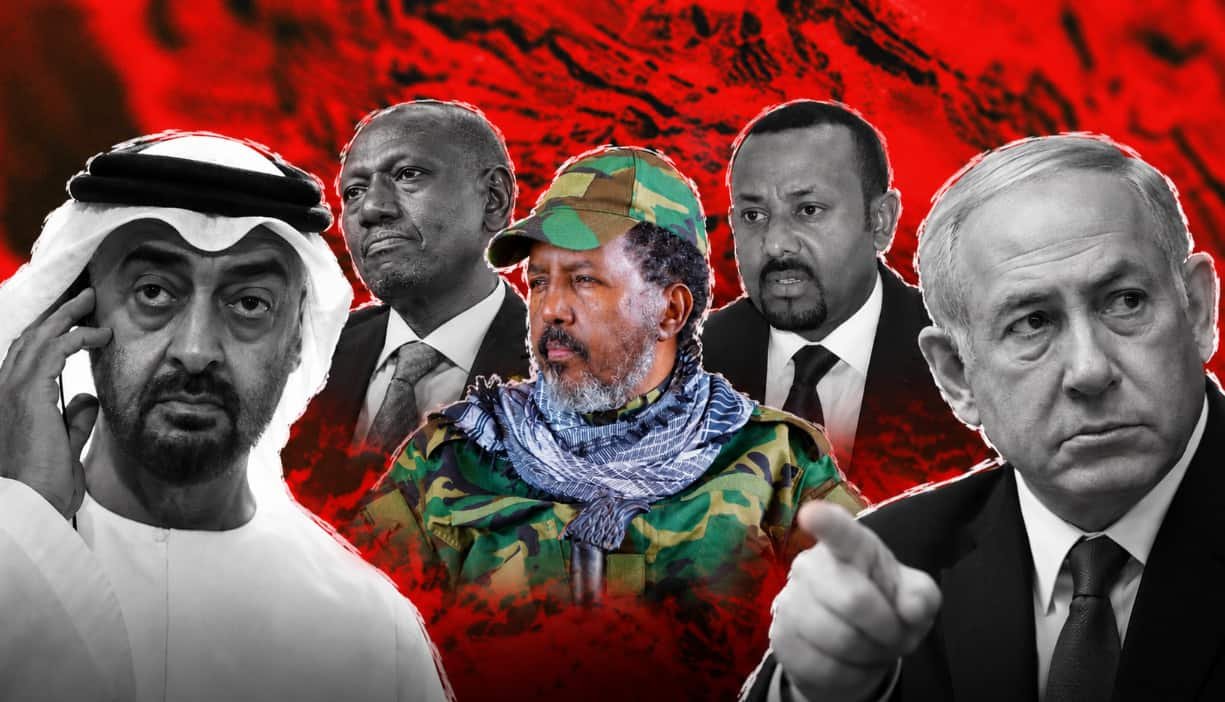
The real issue, however, is less the man on the stage than who put him there. The Washington performance laid bare, in full view, that Israel is using Irro as a political battering ram, and that what stood at the podium was an instrument of the joint Israel-UAE project. If this is the best figure that can be placed in the shop window of a scheme aimed at eroding Somalia's territorial integrity — a scheme through which billions of dollars circulate — the picture tells its own story. A man who cannot master his own briefing, who cannot stand behind his own words, invites the inevitable question all by himself: is this man speaking of his own will, or reading someone else's script? An instrument, by definition, does not need to know what it carries. And that is what Washington saw: a courier shouldering the burden of a separatist project, with no idea what the burden contained.
History is generous with examples of figures polished from the outside. In 2001, Washington carried into Afghanistan Hamid Karzai a man of years spent in Western capitals, well-tailored, fluent in English; feted at summits and walked down red carpets for two decades, his authority was left hanging on the airport fences of Kabul the day the planes behind him withdrew. In South Vietnam the script ran no differently: the legitimacy of governments propped up by external support was measured not by the volume of that support but by the reality of their claim to represent anyone and when that reality reached zero, no amount of military or financial resources could buy off the collapse. The rule to which the Irro case points is heavier still, because Karzai at least had a recognized state behind him. What Irro carries is nothing more than an unrecognized claim and the man tasked with defending that claim cannot even articulate it. Patrons can build stages and lobbyists can open doors; but if the man at the microphone carries no words belonging to a real state and a real cause, every dollar spent merely finances a more expensive display case for the void. That is precisely what Washington watched: not a cause, but a void paid for in advance and a man too weary to fill it.