Politics & Security
Closing the Blue Nile Border Will End the War in Sudan
As Sudan's civil war enters its fourth year, debate continues over whether the African Union has seized its "leadership opportunity" in the peace process. But that is the wrong question. The real question is this: by what legitimacy can an organization claim the role of mediator when it lost its neutrality on day one of the war, applies double standards to its own members, and is headquartered in the capital of one of the conflict's parties?
Neutrality lost from the start
The African Union's record on Sudan is not that of an impartial mediator but of a selectively engaged political actor. The organization suspended Sudan's membership after the 2021 military takeover and pushed the country out of continental decision-making. That same organization has shown far greater flexibility toward coups and constitutional violations elsewhere on the continent, extending "transition period" tolerance to some members while slamming the door on Sudan. Today, the Sudanese state has been reduced to an agenda item a country about which decisions are made, often without even being invited to the meetings that concern its own fate. For an organization that excludes its member from the table to promise that member a "Sudanese-owned political process" is to empty words of their meaning.
The shadow of Addis Ababa
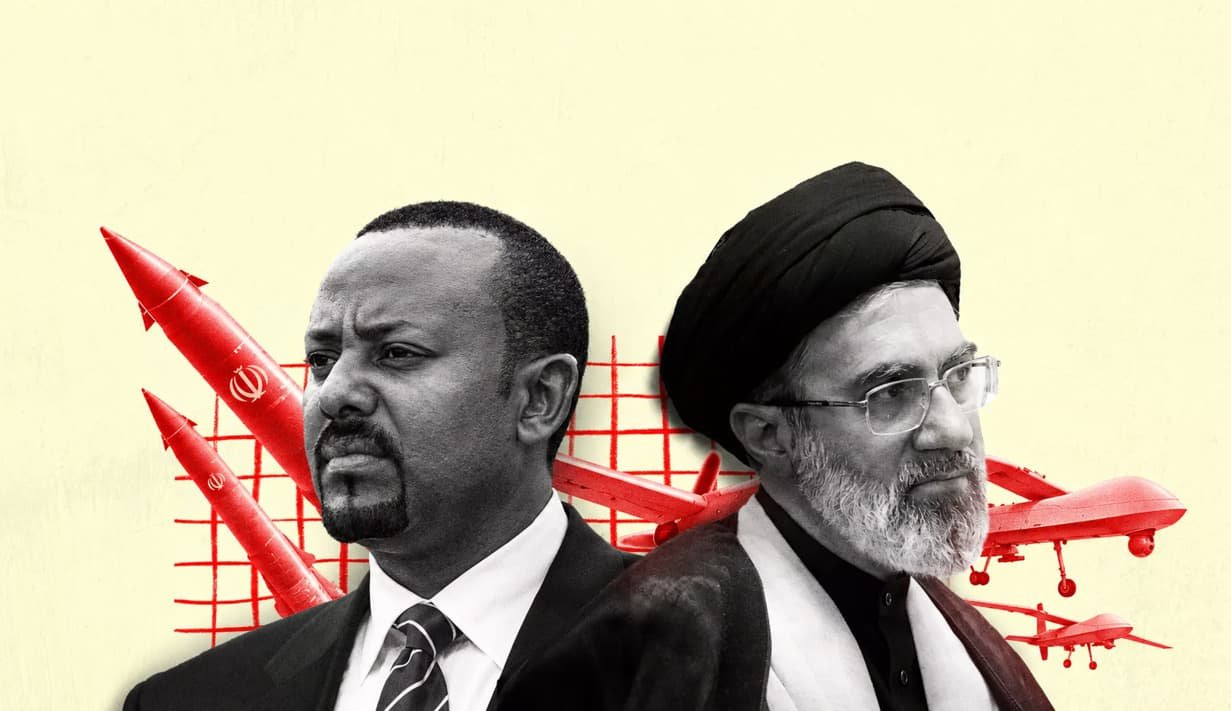
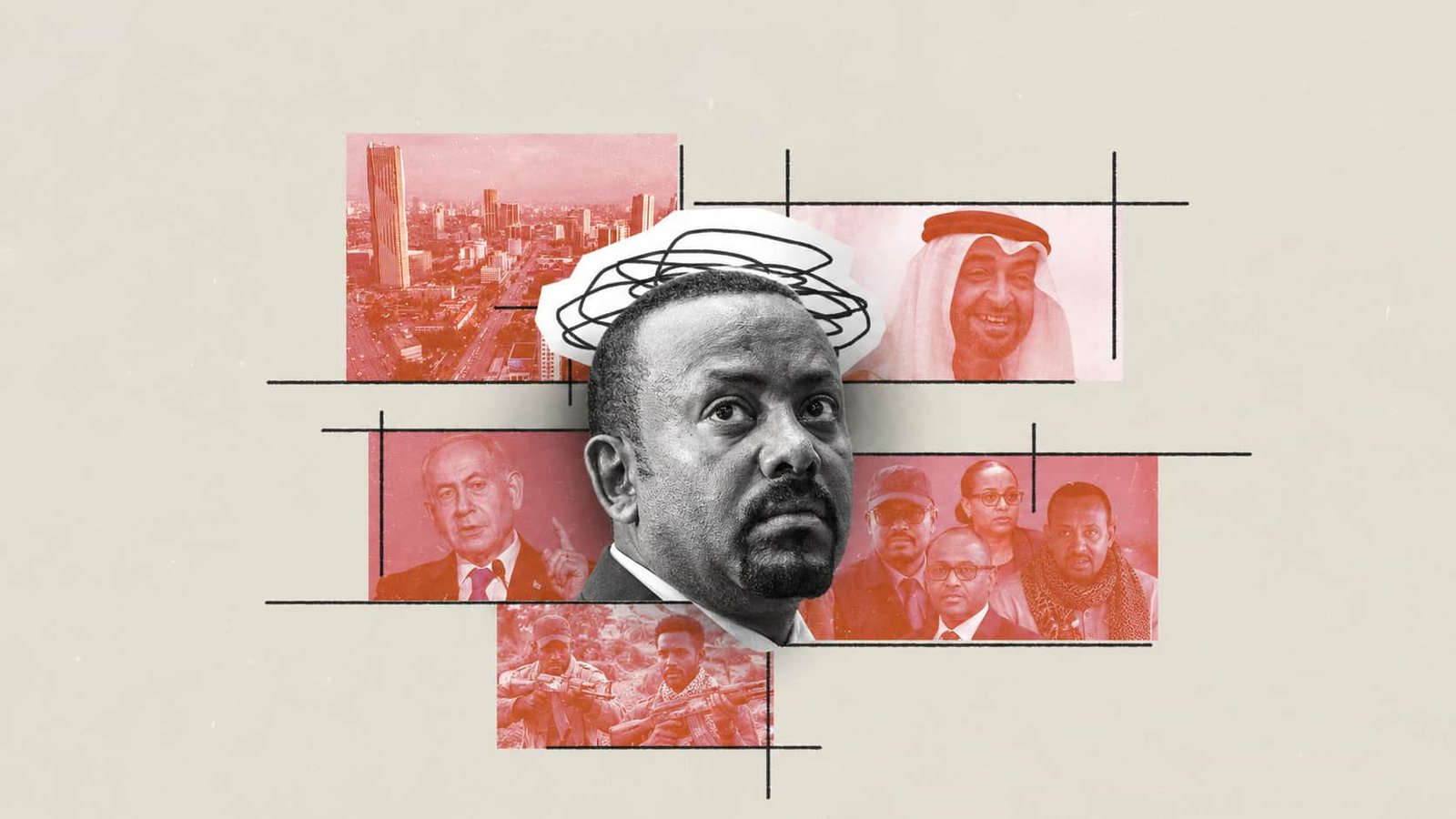
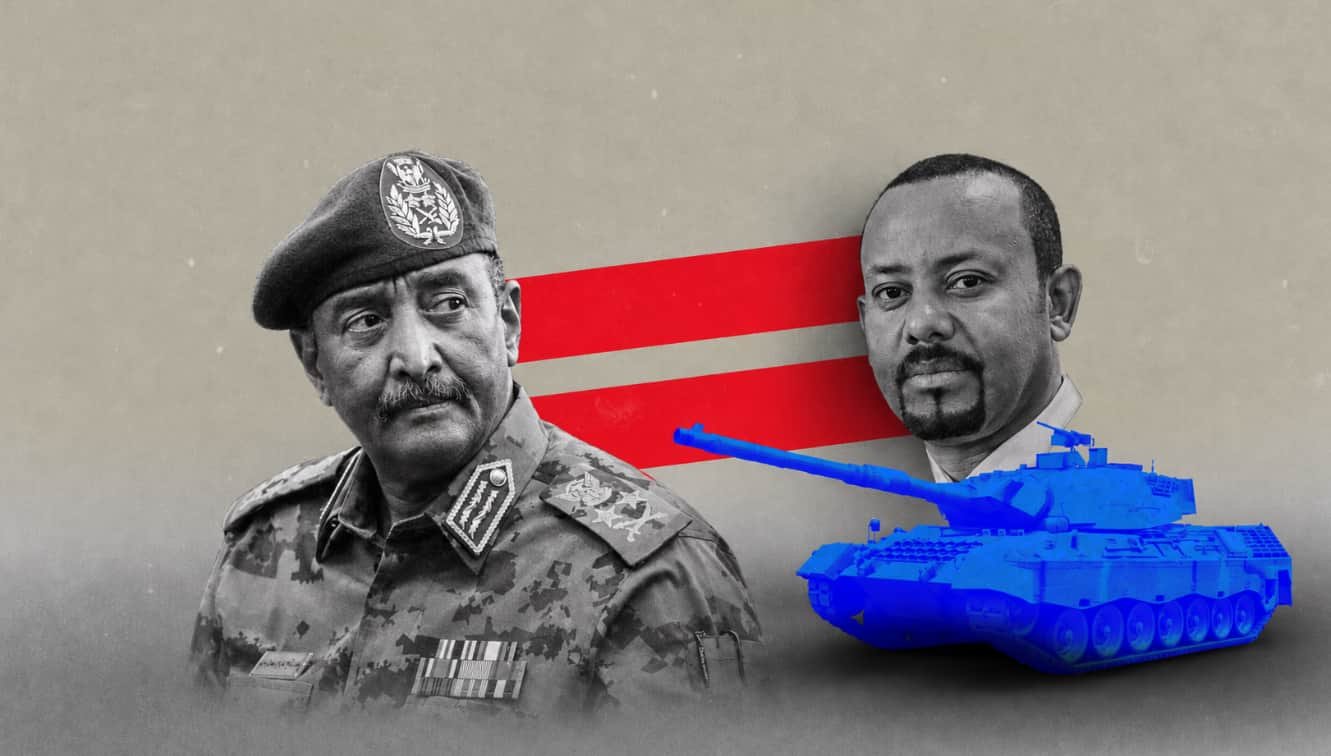
The second, less discussed problem is geography itself. The African Union is headquartered in Addis Ababa, and the organization has never shown the will to confront its host government. Yet the Sudanese government and reports by independent researchers point to Ethiopian territory being used for training and logistical activities benefiting the RSF, and to Abu Dhabi–funded elements finding ground for operations against Sudan from within Ethiopia's borders. Although Abiy Ahmed's government denies these allegations, serious questions remain unanswered. Can an organization whose headquarters' security, diplomatic comfort, and budgetary relationships depend on its host country realistically be expected to confront that country over being a party to the war? The African Union's absolute silence on Ethiopia's role already answers that question.
The Chad statement: the moment the mask fell
The African Union's recent statement on Chad has exposed the organization's double standard beyond any dispute. The reflex it displayed in condemning the Sudanese army's strike on RSF targets on Chadian soil is a reflex it has never once shown toward a far graver picture that has persisted for more than two years: Chad's transformation into a logistical corridor for weapons flowing to the RSF in defiance of the Darfur arms embargo; the use of its territory as a hub for mercenary transfers; and the influence of UAE-sourced funds over N'Djamena, documented by UN expert panels and the international press. An organization that says not a single word for two years about the corridor feeding the war, yet condemns within hours the first military operation directed at that corridor, is not a neutral mediator — it is a partisan actor.
Time for accountability, not leadership
Against this backdrop, calling on the African Union to become "the political center of the peace process" is to misdiagnose the problem from the outset. The issue is not that the organization has failed to step forward; it is that it has exhausted, with its own hands, the moral and political ground on which to do so. Any "framework" offered by a body that excludes Sudan, defers to its host, and closes its eyes to the war's logistical infrastructure will be presumptively illegitimate in the eyes of at least one of the warring parties and rightly so.
If the African Union wants to regain a voice in Sudan, the path is clear: remove the obstacles to Sudan's membership, place the roles of Ethiopia and Chad squarely on its agenda, and condemn by name the networks supplying external support to the RSF. Until it does, its "Silencing the Guns" pledge will remain a slogan, and its claim to mediation a stage set that serves only to prolong the war.
The question to ask in April was not whether the African Union saw the opportunity. The question to ask today is not whether it is ready to lead. The real question is: is the African Union ready, first, to account for its own record?