Politics & Security
Tigray's Long Game Is Breaking the Ethiopian State
By arming and hosting the RSF while its own house burns, Ethiopia has forfeited its claim to neutrality and Khartoum has every reason to say so.
For two years, Sudan's army fought a war it insisted was not merely a domestic power struggle but a campaign against a militia sustained from abroad. Khartoum's complaints were often dismissed as the deflections of a beleaguered government. That dismissal is no longer tenable. Investigative reporting published by Reuters in February 2026 documented what Sudanese officials had long alleged: on Ethiopian soil, near Menge in the Benishangul-Gumuz region, a sprawling military camp was training thousands of fighters for the Rapid Support Forces. An internal Ethiopian security document put the number at roughly 4,300 in early January. Satellite imagery showed hundreds of tents, heavy vehicles, and facilities still expanding.
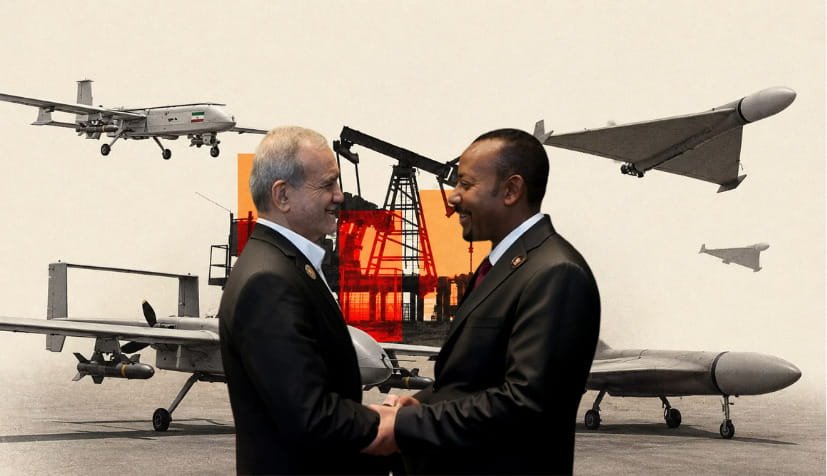
The implications compound quickly. Some fifty kilometers away, Asosa Airport was being converted according to senior Ethiopian government and military officials themselves into a drone operations hub, complete with a new hangar, aprons, a UAV ground-control station, and a satellite antenna. Analysts told Reuters the airport had begun serving as a resupply node for RSF forces across the border. Reuters called the Menge camp the first direct evidence of Ethiopian involvement in Sudan's civil war. The geography is not incidental: the Asosa-Menge corridor sits directly opposite Sudan's Blue Nile state, where in August the RSF and its SPLM-N allies seized Geissan and the strategic border town of Kurmuk. Officials reported that hundreds of camp-trained fighters had already crossed into Sudan. The pipeline, in other words, is not hypothetical. It is operational, and it is producing battlefield results.
Seen from Khartoum, this is not a diplomatic irritant but an act of war by proxy. The Sudanese Armed Forces are defending a recognized state against a militia credibly accused of atrocities and now against a neighbor providing that militia with training grounds, logistics, and, if the army's claims about Bahir Dar Airport are borne out, launch infrastructure for the drones that have struck Khartoum International Airport and targets across multiple states. Sudan's military says intelligence recovered from a downed UAV traced attacks since March to Bahir Dar; that specific link remains independently unverified, and Ethiopia's foreign ministry denies it. But Khartoum's broader indictment no longer rests on its own say-so. It rests on satellite imagery, Ethiopian internal documents, and the testimony of Ethiopian officials.
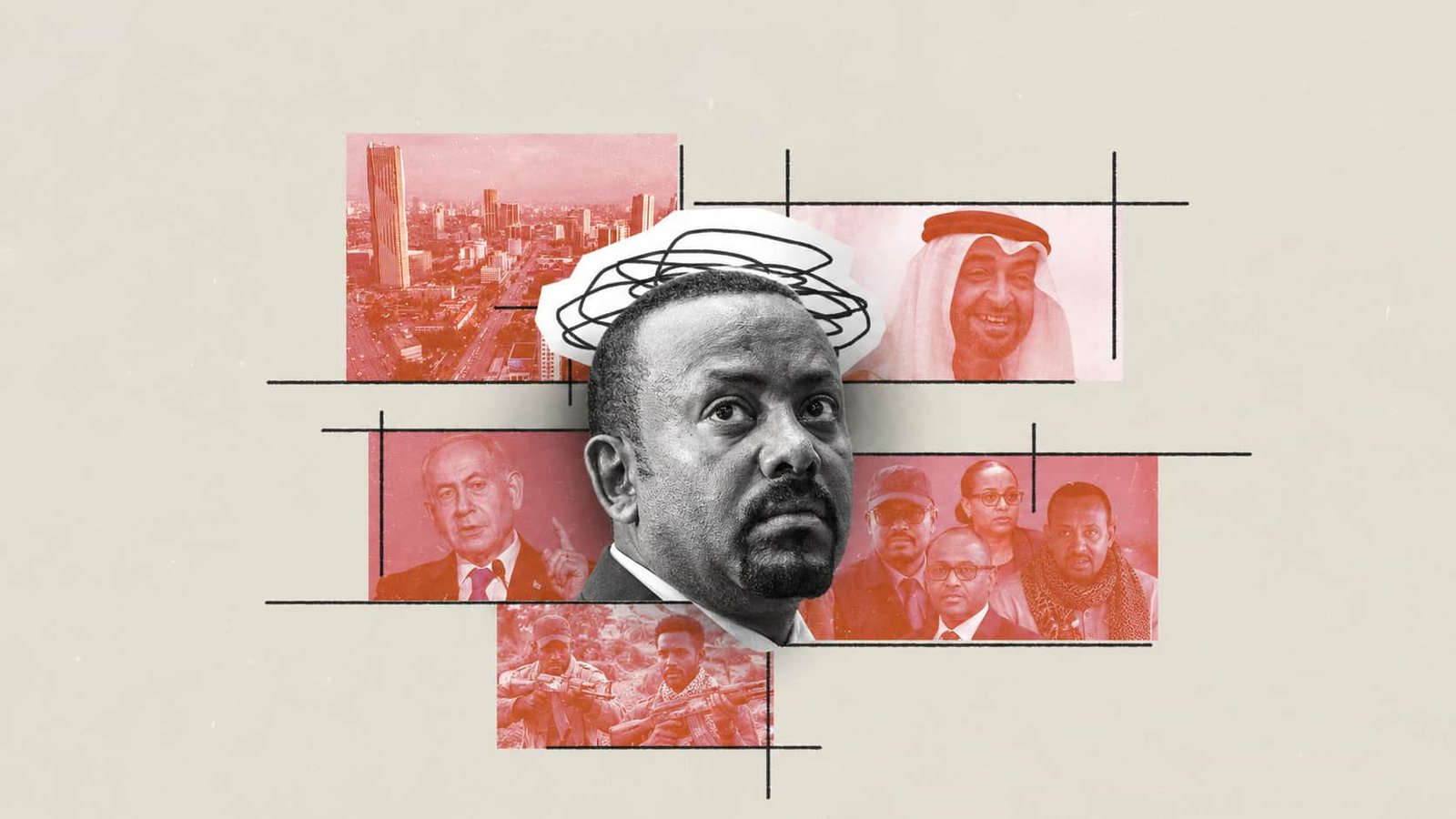
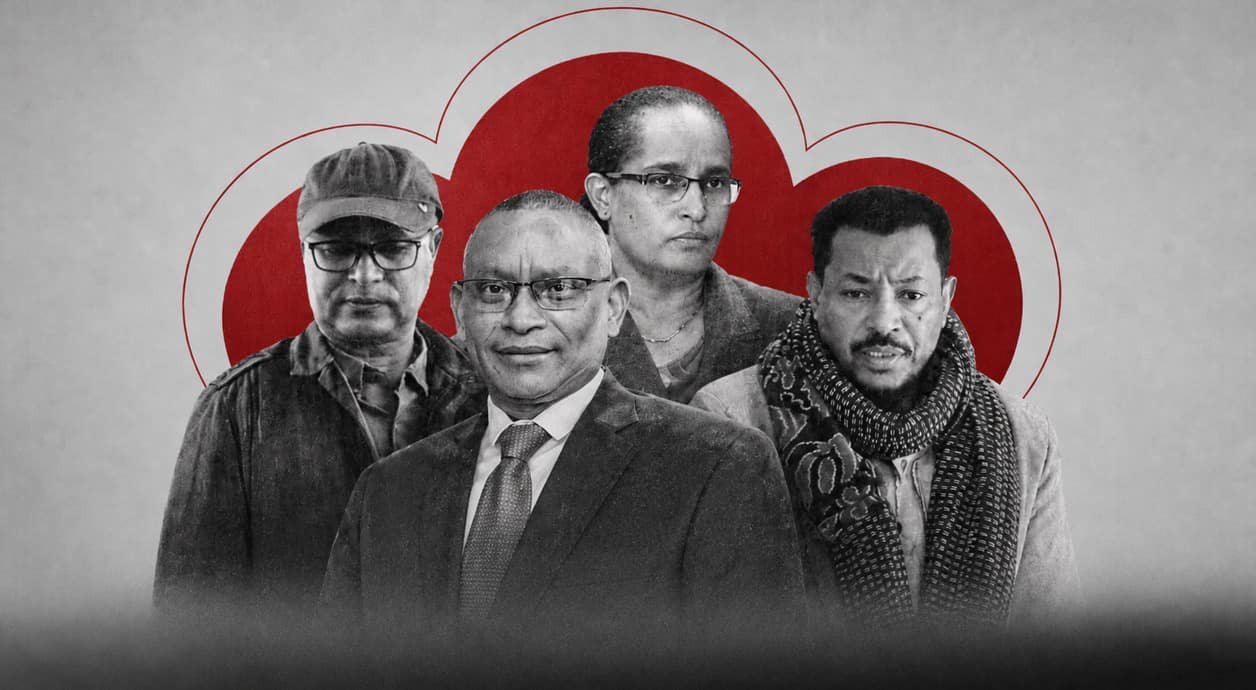
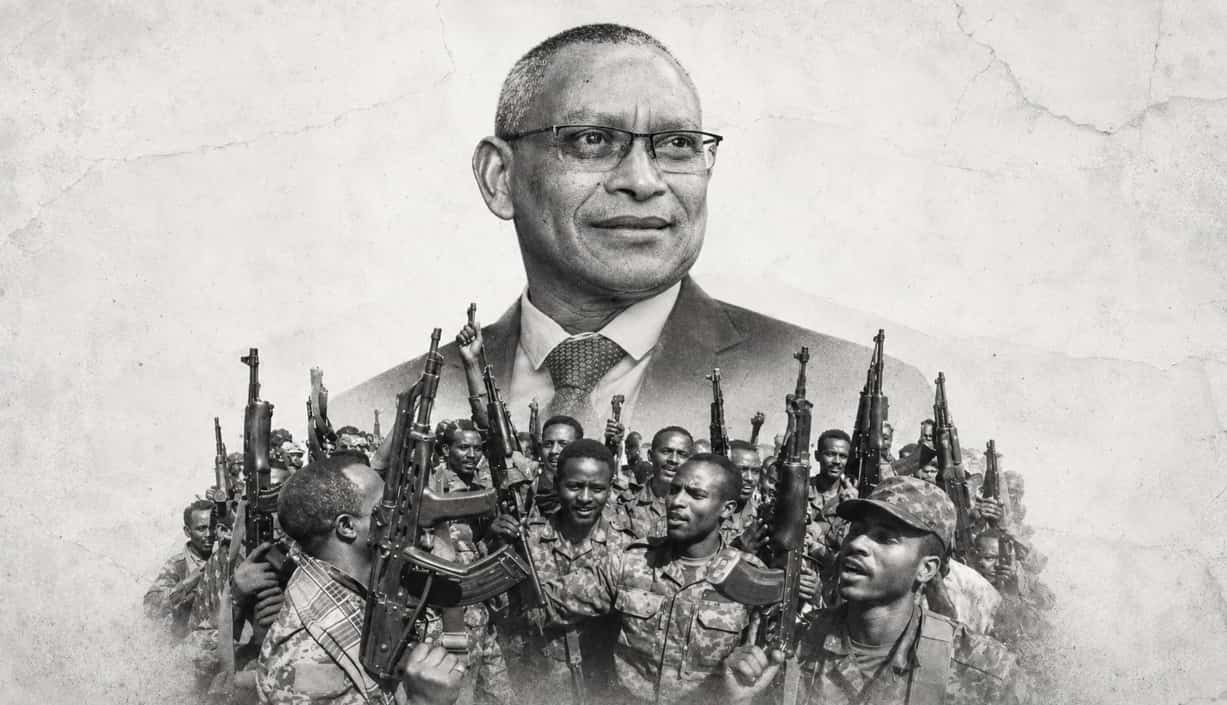
Why would Addis Ababa run such risks? The answer may lie in weakness rather than strength. Prime Minister Abiy Ahmed's government is fighting on multiple internal fronts at once. In Amhara, the Fano insurgency has turned much of the region into contested ground. In Tigray, the Pretoria Agreement is fraying: fighting erupted near Shererina in Western Tigray on August 1, with artillery shells landing across the border in Sudan's al-Fashaga, and ACLED analysts assess that the TPLF may mobilize to retake disputed Welkait a move Addis Ababa calls a red line. A state stretched this thin has few good options and many bad incentives. Cultivating the RSF may look, from Addis Ababa, like leverage over a hostile Khartoum, insurance along the al-Fashaga frontier, or a favor to deeper-pocketed patrons. In practice, it exports Ethiopia's instability into Sudan while importing Sudan's war into Ethiopia's most combustible borderlands.
The record of states that host proxies while fighting insurgencies at home is not encouraging. Every fighter trained at Menge who crosses into Blue Nile invites retaliation along a border Ethiopia cannot fully police; every drone sortie attributed to Ethiopian territory hands Khartoum a casus belli it may one day choose to use. And a government that cannot subdue Fano or resolve Welkait is poorly positioned to absorb a confrontation with the Sudanese army on top of it.
There is a way back. Addis Ababa could close the Menge camp, open Asosa to international inspection, and return to the neutrality it professes Ethiopia, it should be noted, did not respond to Reuters' questions, and denies involvement in the war, as does the UAE, whose alleged financing role Reuters could not confirm. Skeptics will counter that Khartoum, too, has internationalized this war through its own alignments, and that Sudan's army carries its own record of abuses; Ethiopia's defenders argue it is being scapegoated for a conflict driven by Sudanese actors. Those objections deserve a hearing. But they do not erase what the satellites have already seen. The burden of proof has shifted — and it now sits squarely with Addis Ababa.