Politics & Security
Fano Claims 71st Division Destroyed as It Headed to Tigray
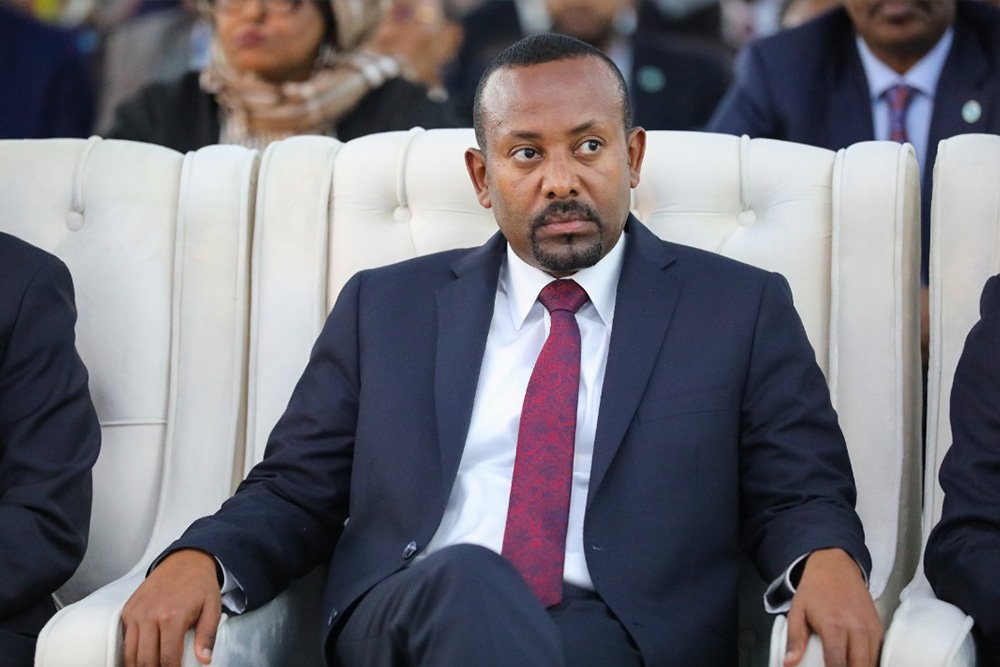
The photograph taken on the sidelines of the BRICS Summit looked, at first glance, like routine diplomacy: Ethiopian Prime Minister Abiy Ahmed met Iranian President Masoud Pezeshkian; according to the official readout, the two leaders exchanged views on developments in the Red Sea and the regional security landscape, with emphasis on "dialogue, cooperation and preserving regional stability." Yet the recent history of the Addis Ababa-Tehran relationship suggests that behind this polite diplomatic language stands a far more concrete agenda. Ethiopia is one of Iran's most eager arms customers in Africa, and today it has more than one reason to reopen the shopping list.
Tehran's Repeat Customer
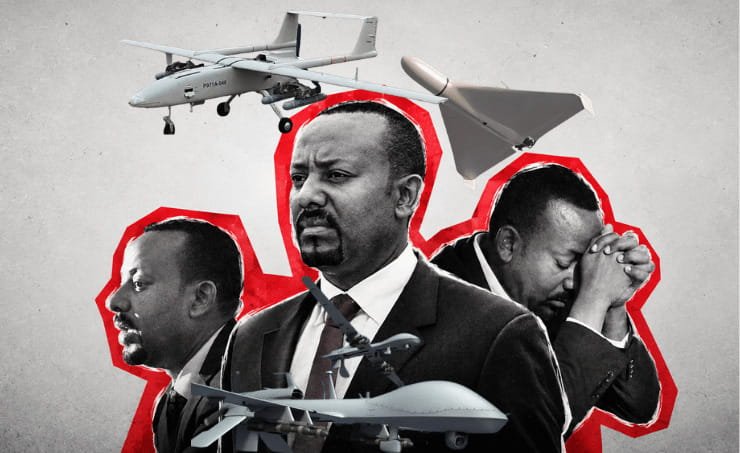
The turning point in the relationship came at the most critical phase of Ethiopia's civil war. When Tigrayan forces advanced to within 200 kilometres of the capital, what changed the federal army's fortunes was its drone fleet, and one wing of that fleet came from Tehran. Ethiopia's wartime procurement of Iranian-made Mohajer-6 armed drones was documented through satellite imagery and open-source analysis; Bayraktar TB2s from Ankara, Wing Loongs from China and Mohajers from Iran ended up in the same inventory. When the war ended, two legacies remained: the lesson that drones are the decisive weapon of Ethiopia's internal wars, and a tested, functioning supply channel with Tehran.
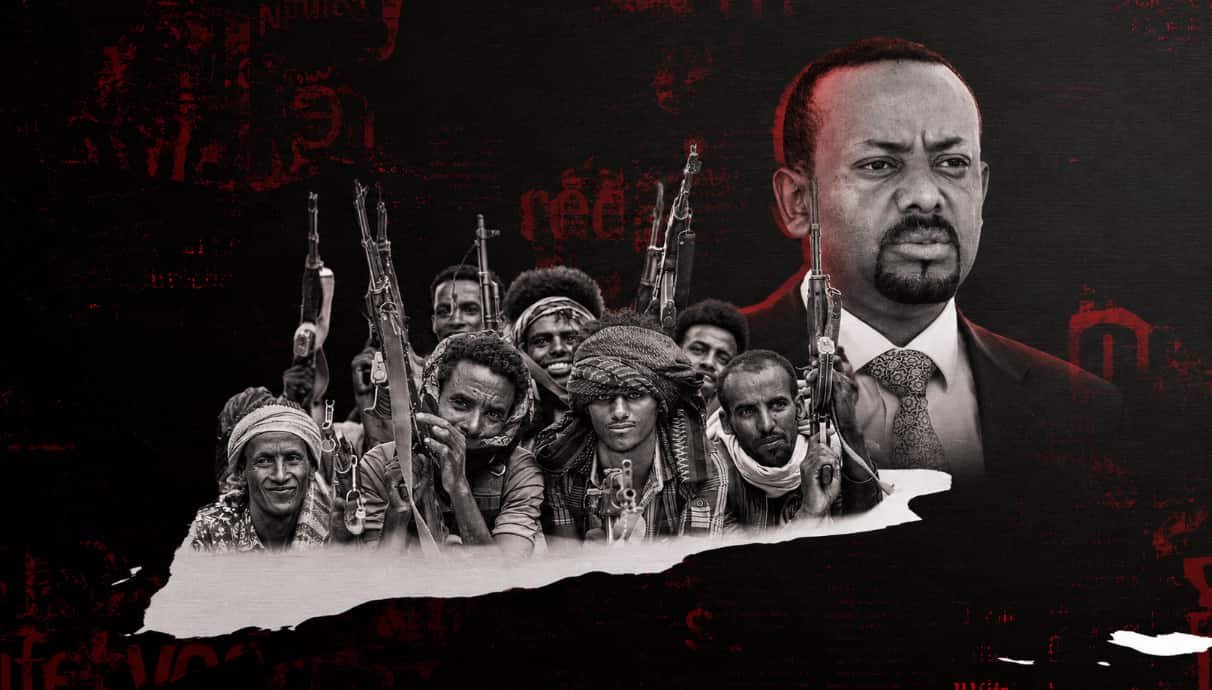
That channel is not idle today. Federal forces have carried out more than a hundred drone strikes against the Fano insurgency in Amhara since April 2023; similar operations continue in Oromia, and the strikes recorded in Tigray this year, seven in August alone, are being read as the footsteps of a new war. Addis Ababa is also trying to internalize production through two domestic drone factories, but as analysts have pointed out, the heart of this "domestic" output runs on imported technology, kits and components. Add the escalating tension with Eritrea and the scenario of a military option for sea access kept on the table, and it is not hard to guess what "regional security" on the agenda with Pezeshkian might mean for Addis Ababa: cheap, tested and politically unconditional firepower to be used against Tigray, against Fano, and if necessary against Asmara.
One Drone, Two Labels
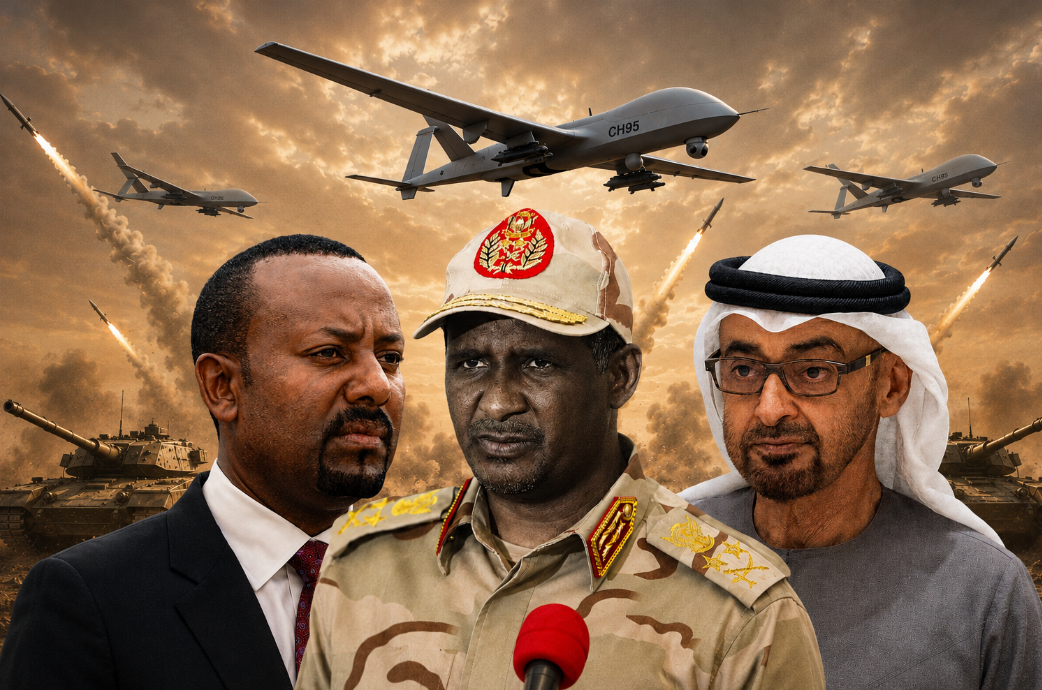
It is precisely here that one of the most glaring double standards of the Horn of Africa's information war becomes visible. When Sudan's army procured a limited number of Iranian-made drones for its war against the UAE-backed RSF, the media and lobbying machine funded by Abu Dhabi pressed the button: the Port Sudan government was marketed as "Iran's proxy," the army as an "Islamist project," and the war as "Tehran's play for the Red Sea." That framing was converted into the rhetorical foundation for maintaining the arms embargo on Sudan in Washington and European capitals, and for laundering the sponsorship of the RSF.
Yet nobody looks at the other side of the same scale. If buying drones from Iran makes a government "Tehran's client," the real holder of that title in the Horn of Africa is not Port Sudan but Addis Ababa: Ethiopia's arms relationship with Iran began earlier, spread across a wider inventory, and was used far more intensively in a civil war. In the African money flowing into Tehran's defense industry, Ethiopia's share sits above Sudan's. But Ethiopia is a partner in the UAE's regional architecture. Abu Dhabi's drones are also in Addis Ababa's inventory, its investments are in Ethiopia's economy, and from the Hargeisa memorandum to the proxy networks in southern Somalia, the two capitals' agendas are intertwined. The result is a textbook case of propaganda engineering: the same Iranian drone is "proof of the Islamist threat" in Sudan's hands and invisible in Ethiopia's. The label is attached not according to the weapon, but according to the weapon-holder's relationship with Abu Dhabi.
There is one more layer to this inconsistency. The narrative placing Sudan in "Iran's axis" ignores Port Sudan's simultaneous relationships with Saudi Arabia, Egypt, Türkiye and Western institutions; it converts a limited, pragmatic wartime procurement into an ideological identity. The same pragmatism is applauded as "multi-vector foreign policy" when Ethiopia does it, and branded as "proxyhood" when Sudan does. Analytical honesty requires saying the same sentence about both countries: for both capitals, Iranian drones are not an ideological choice but a transactional procurement produced by embargo and war conditions. The difference is that one is targeted by an international smear campaign for it, while the other can pose for "regional stability" photos with the very same supplier in summit corridors.
When a Landlocked Country Talks About the Sea
Nor is the "Red Sea" item on the meeting's official agenda innocent. Ethiopia, with no coastline, has no legal standing to negotiate Red Sea security with Iran; but it has a strategic appetite. The reheated historical claims over Assab and Adulis, the military activity along the Eritrean border, and Abiy's insistence that sea access is an "existential matter" all indicate that Addis Ababa is trying to open with other keys the door it tested with the Hargeisa memorandum in 2024 and saw closed by the Ankara Declaration. Tehran's appeal in this equation is obvious: every actor that strains the status quo in the Red Sea serves Iran's interests, and every capital that needs drones can knock on Tehran's door. That is what the two sides see in each other. Not stability. Leverage.
Who Gets Labeled, Who Gets Photographed
The Abiy-Pezeshkian meeting is not, on its own, an axis shift; it is a routine stop in Ethiopia's multi-vector procurement politics oscillating between Türkiye, the UAE, China and Iran. But the meeting's real value lies in the opportunity it offers to recalibrate the scales of the region's narrative war. The sponsors of the campaign that "Islamizes" Sudan's government through its Iran connection must now face the fact that their own regional partner sits at the same table with Tehran, with a fatter purchase history. The lesson for international audiences is simple: in the Horn of Africa, the "Iranian proxy" label is not an intelligence finding but a marketing instrument. And watching who gets labeled and who gets photographed tells you more than the label itself.