Opinion
Why Somalia's Military Rise Sparked an Anti-Türkiye Axis
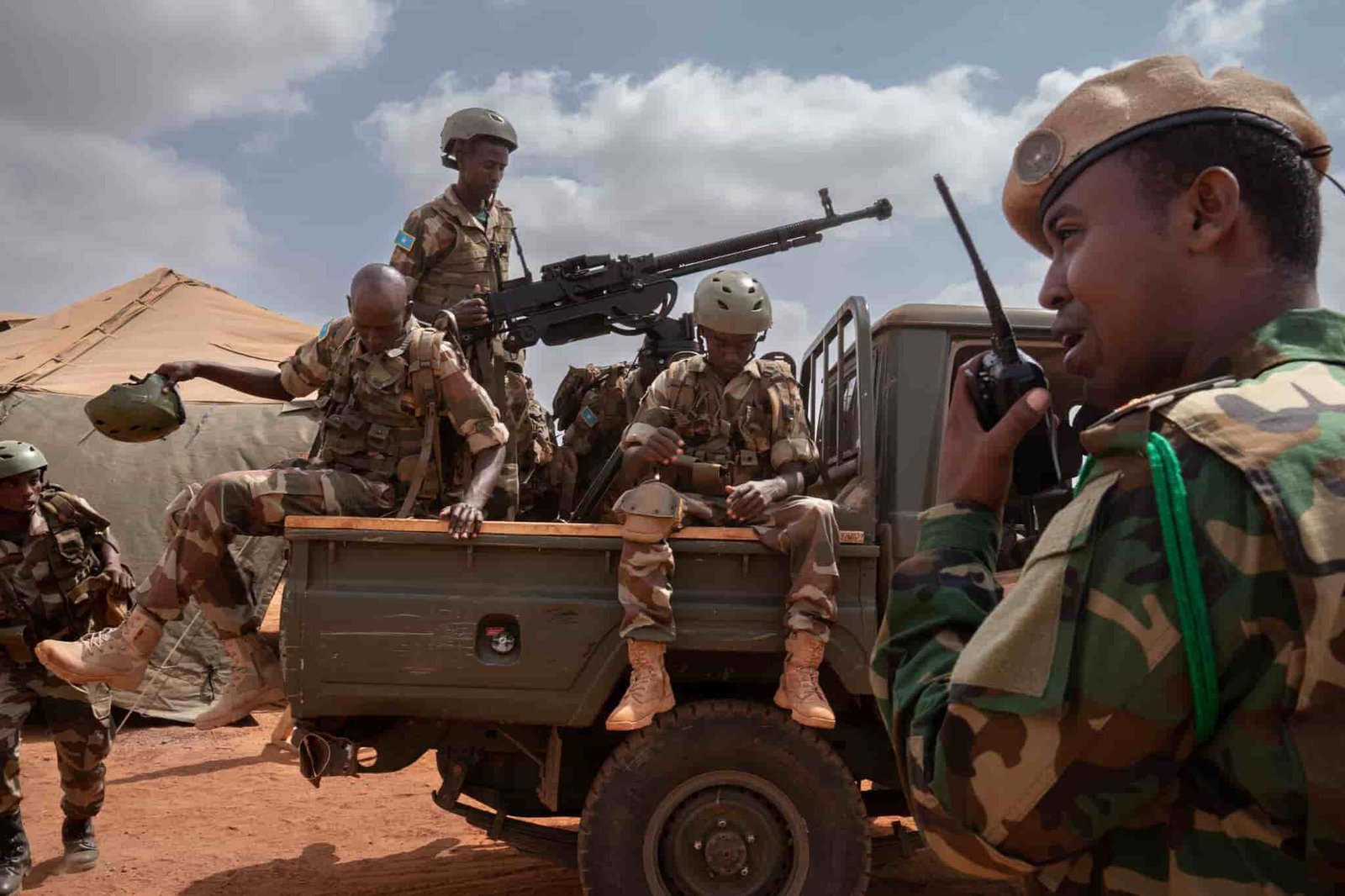
MOGADISHU — Somali security sources have rejected allegations that Türkiye carried out an air operation in southwestern Somalia this month, describing the claims as part of what they say is a broader disinformation campaign aimed at portraying Ankara as a party to Somalia’s internal political disputes, according to information provided to Red Sea Axis.
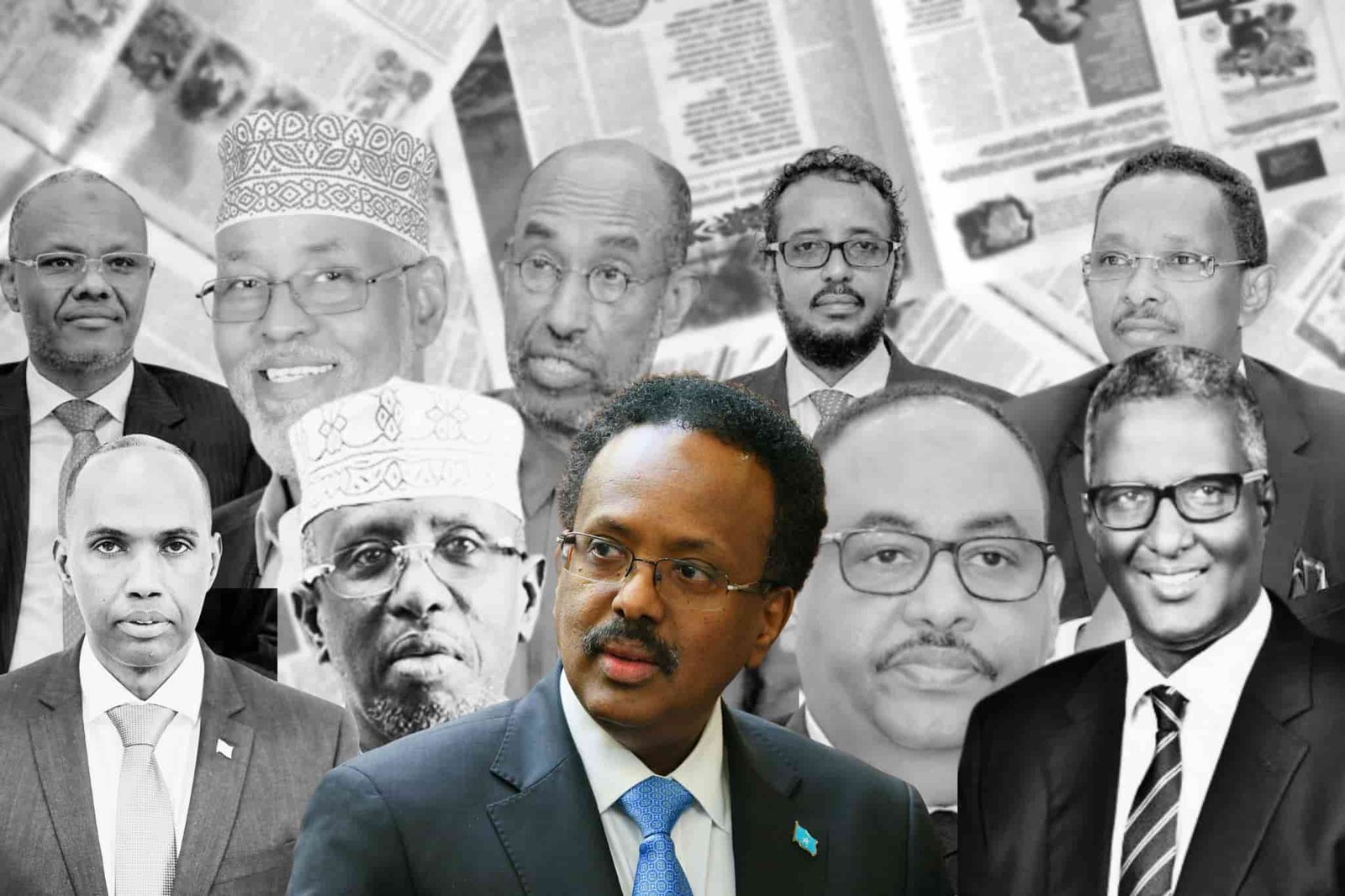
The assessment comes amid renewed tensions in Somalia’s South-West Regional State (SWRS), where militias loyal to former regional president Abdiaziz Hassan Mohamed, widely known as Lafta Gareen, have been involved in clashes with forces aligned with Somalia’s Federal Government.
According to the security sources, federal forces have so far repelled attacks around Baidoa, although the intensity of the confrontations has fluctuated.
Against that backdrop, social media accounts have increasingly circulated allegations in September that Türkiye is politically backing President Hassan Sheikh Mohamud and that Turkish F-16 fighter aircraft and unmanned aerial vehicles have been used against his domestic opponents.
The Somali security sources who spoke to Red Sea Axis categorically denied the operational component of those allegations.
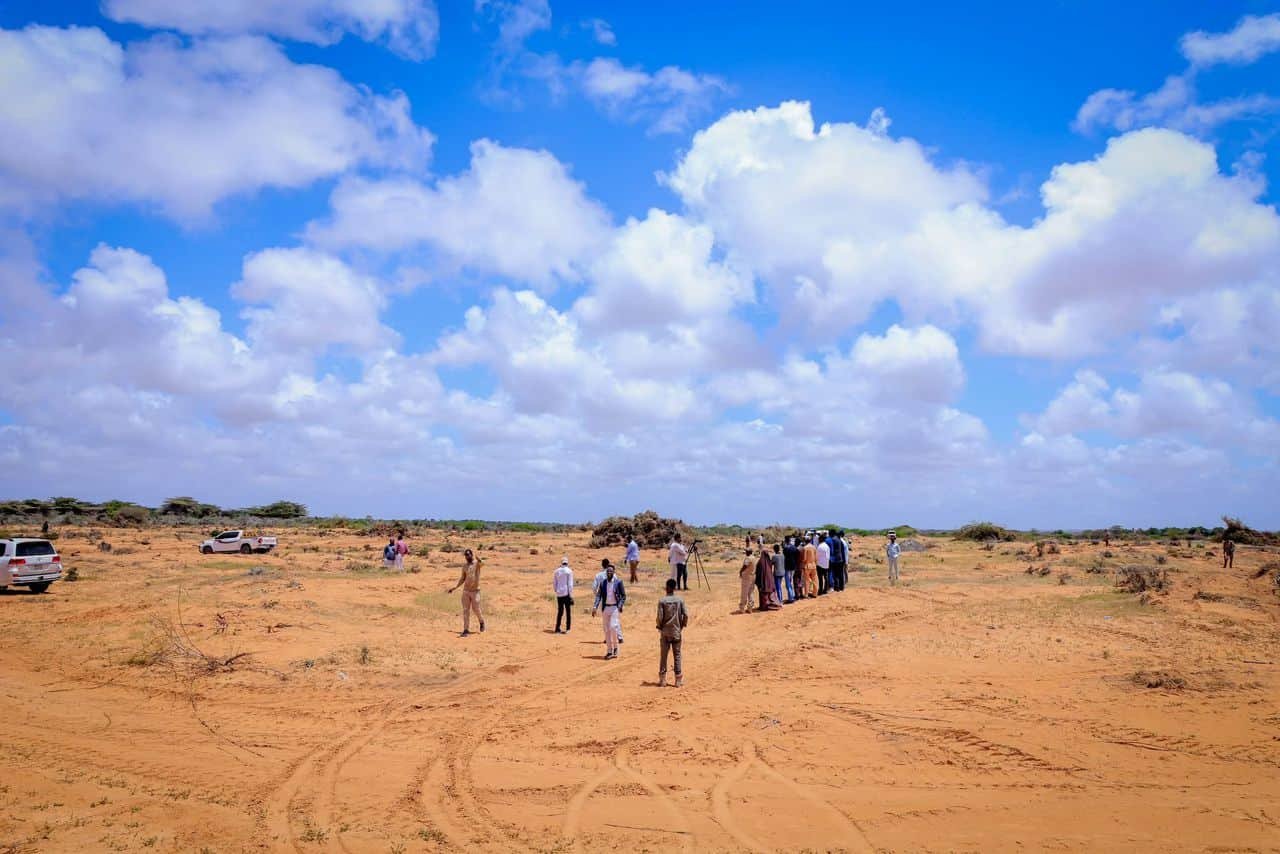
In particular, they rejected claims linking Türkiye to an explosion on September 4 at the residence of General Mahad Abdirahman Adan, also known as General Shub, in Doolow, Gedo. Adan is identified by the sources as Lafta Gareen’s father-in-law.
“No operation or air operation was conducted by Türkiye on the specified date and in the specified region,” the security assessment provided to Red Sea Axis said.
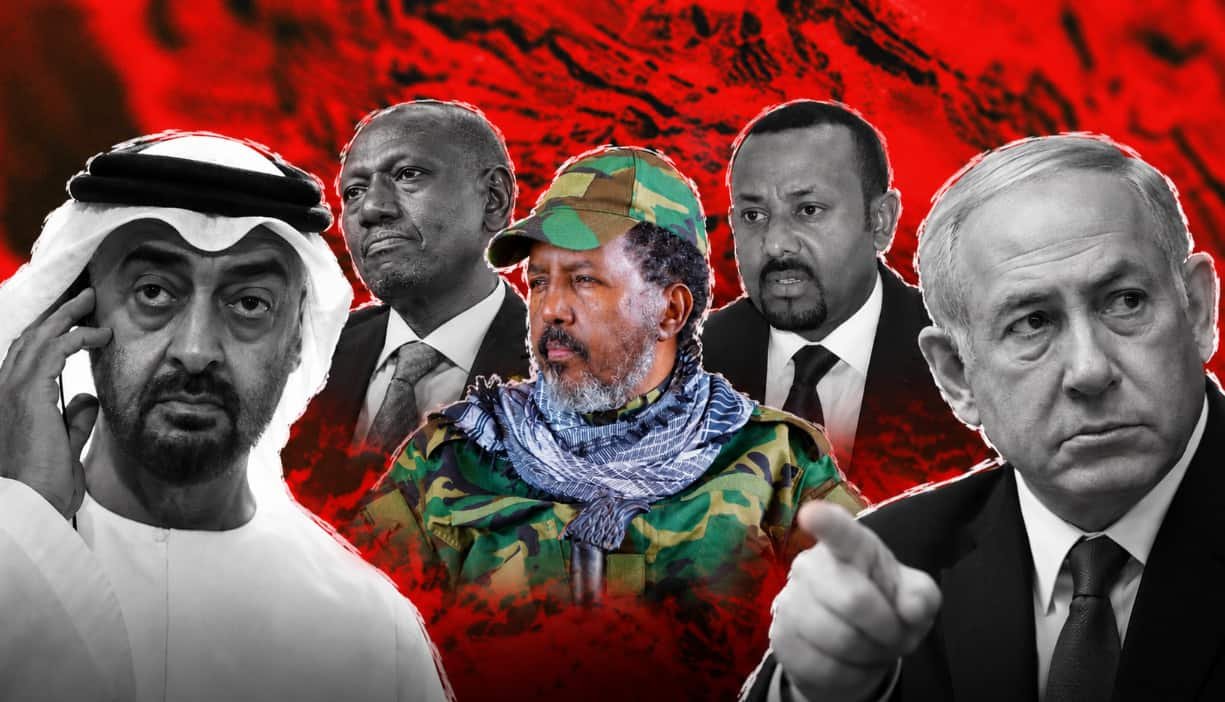
The sources characterized the allegations as part of an influence campaign exploiting Somalia’s domestic political divisions. They further alleged that foreign actors were encouraging the narratives to weaken Türkiye’s standing in Somalia. Red Sea Axis has not independently verified the attribution of the alleged campaign to third countries.
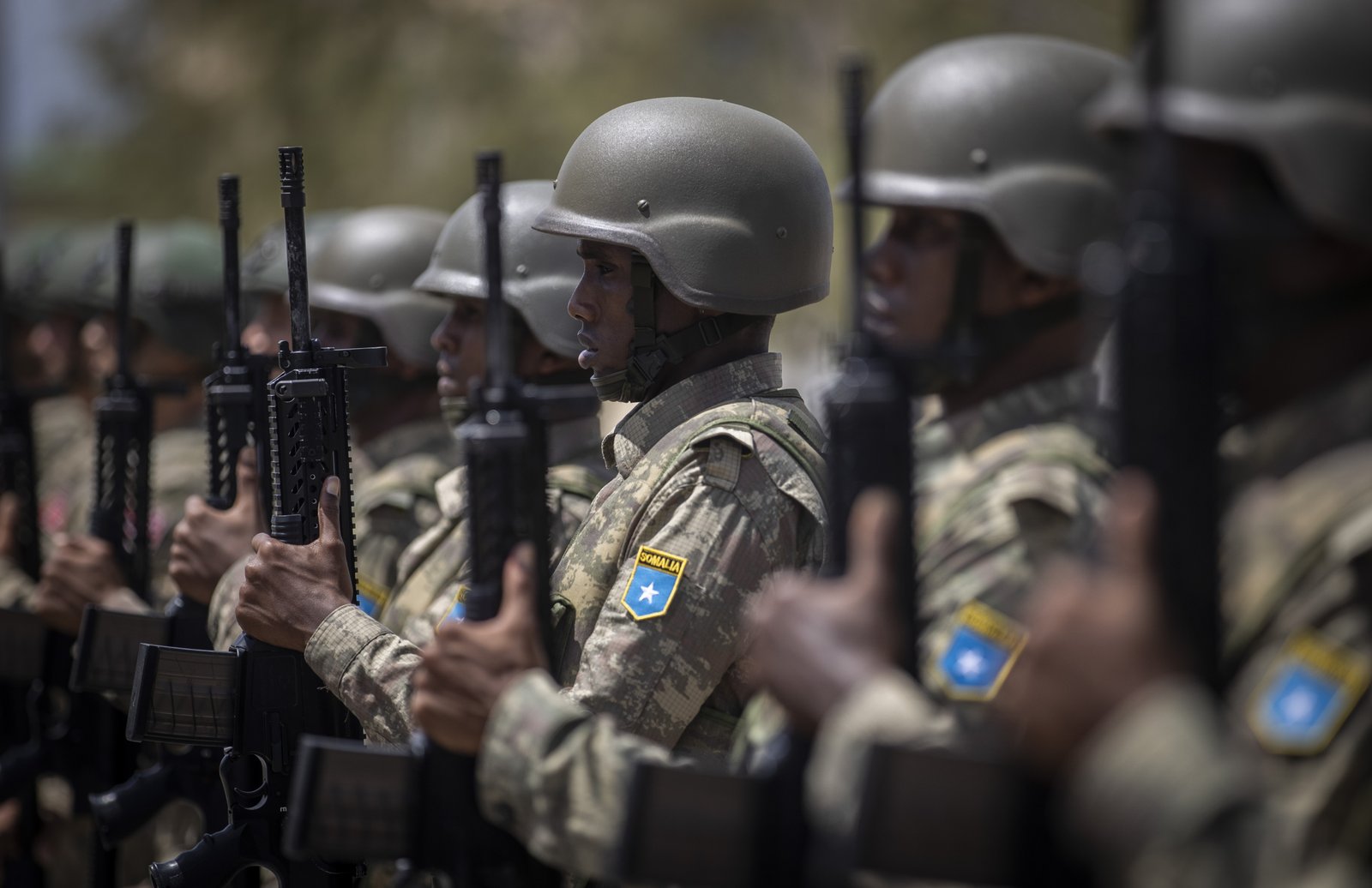
Türkiye has developed a substantial political, humanitarian and security relationship with Somalia, making Ankara an increasingly consequential external actor in the Horn of Africa.
The Somali security assessment argues that Türkiye has sought to maintain relations across the country’s political landscape rather than becoming directly involved in disputes between the Federal Government and its opponents. It points to Turkish humanitarian assistance, security cooperation and support for Somali state institutions as evidence of this approach.
The sources also cited Turkish mediation between Somali political actors during previous crises. In particular, they claimed that Türkiye’s National Intelligence Organization played a role in efforts to halt clashes between government and opposition forces in Mogadishu on June 4, 2026.
According to their assessment, such mediation contradicts portrayals of Ankara as seeking a military victory for one Somali political faction over another.
The security sources nevertheless acknowledged, indirectly, the political vulnerability created by Türkiye’s extensive presence. As Somalia’s political crisis has deepened, military cooperation with the Federal Government has made Ankara an increasingly visible target for accusations that it is taking sides.
The assessment provided to Red Sea Axis goes further, alleging that outside powers are exploiting these tensions through social media campaigns designed to turn Somali public opinion against Türkiye.
The sources specifically argued that efforts to portray Türkiye as undermining Somalia’s internal political balance would benefit Israel by weakening Somali stability and territorial integrity.
That distinction is significant. While the Somali sources presented foreign involvement as part of their assessment, the immediate factual assertion they emphasized most strongly concerned the September 4 incident: they maintain that no Turkish air or other military operation took place in Doolow on that date.
The dispute illustrates the increasingly contested information environment surrounding Somalia’s political crisis. As internal rivalries intersect with competition among regional and external powers in the Horn of Africa and Red Sea, allegations about foreign military involvement can rapidly become instruments in domestic political struggles.
For the Somali security sources, the central concern is that such narratives could erode public confidence in international partnerships at a moment when the Federal Government continues to depend heavily on foreign assistance for counterterrorism, institution-building and humanitarian support.
Their message to the Somali public is therefore one of caution: claims concerning foreign military intervention, they argue, should be assessed carefully before being incorporated into the country’s already polarized political debate.
For Türkiye, meanwhile, the episode highlights a broader challenge created by its expanding role in Somalia. The deeper Ankara becomes involved in the country’s security and state-building architecture, the more difficult it may become to maintain its stated image as an inclusive partner standing outside Somalia’s internal political rivalries.