Explore
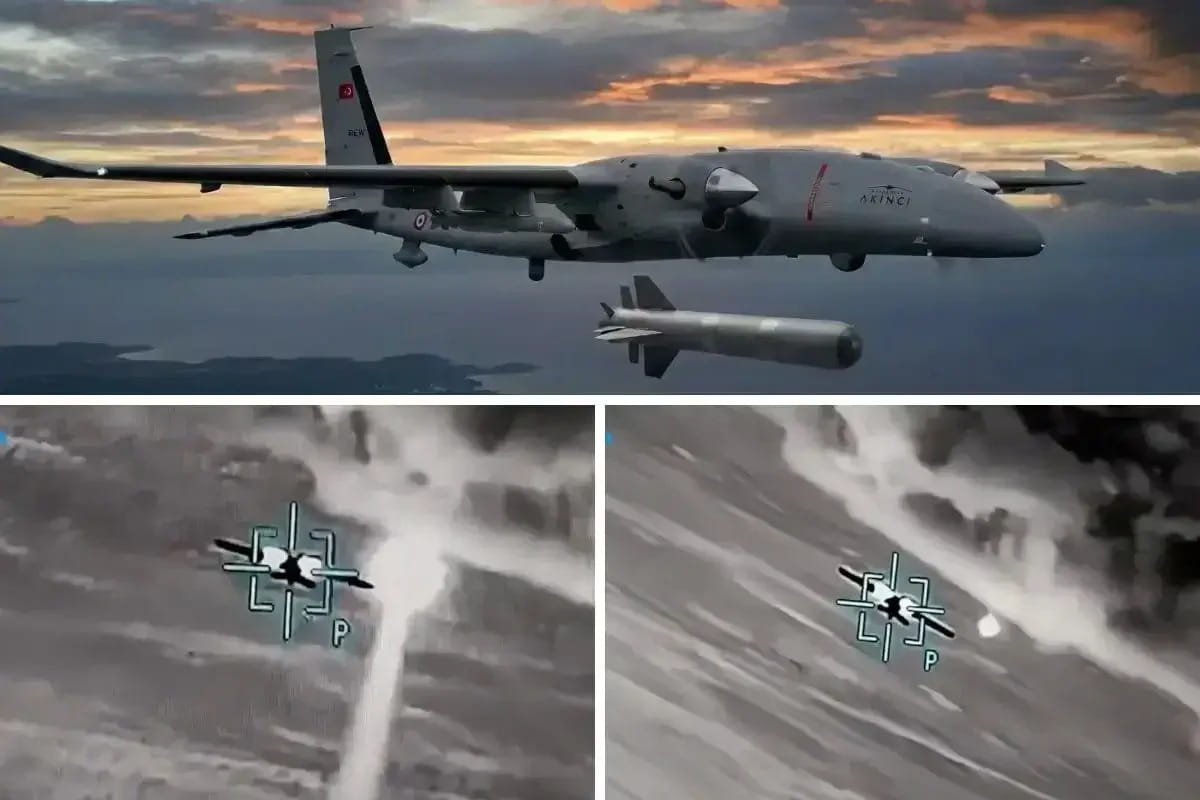
Akıncı Gives Sudan’s Army Total Command of the Skies
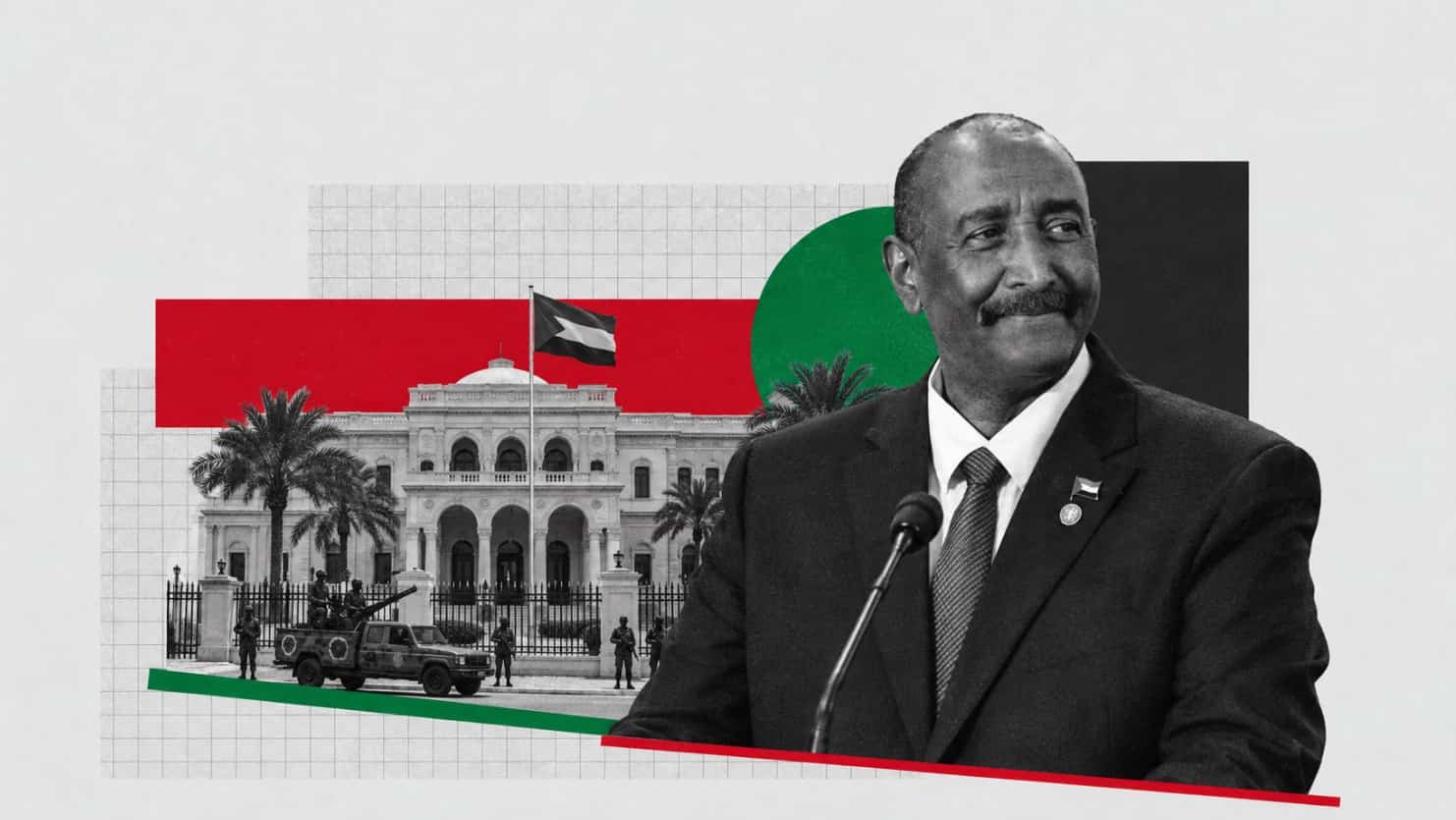
A year after the United States and its Arab partners unveiled their roadmap for a Sudanese ceasefire, the American envoy Massad Boulos has offered his own verdict on the war: there is “no future” for either of Sudan's rival commanders. Not for General Abdel Fattah al-Burhan, who leads the Sudanese Armed Forces and serves as the country's head of state. Not for Mohamed Hamdan Dagalo, the militia commander whose Rapid Support Forces stand accused by Washington itself of genocide.
The formula sounds evenhanded. That is precisely its flaw. It treats a state and the militia devouring it as moral and political equals, and no peace built on that fiction will survive contact with Sudan.
Start with a question American diplomacy rarely asks: who counts as the Sudanese people? The answer cannot be limited to the diaspora activists and exiled politicians who circulate through Washington and European capitals, fluent in the language donors want to hear. The Sudan that matters is the one that stayed. It is the millions who lived through the war's outbreak in April 2023 and never left, who buried their dead, defended their neighborhoods, and kept hospitals, bakeries, and markets running under bombardment. Many of them gave their savings, their homes, and their sons to the effort to keep the state alive.
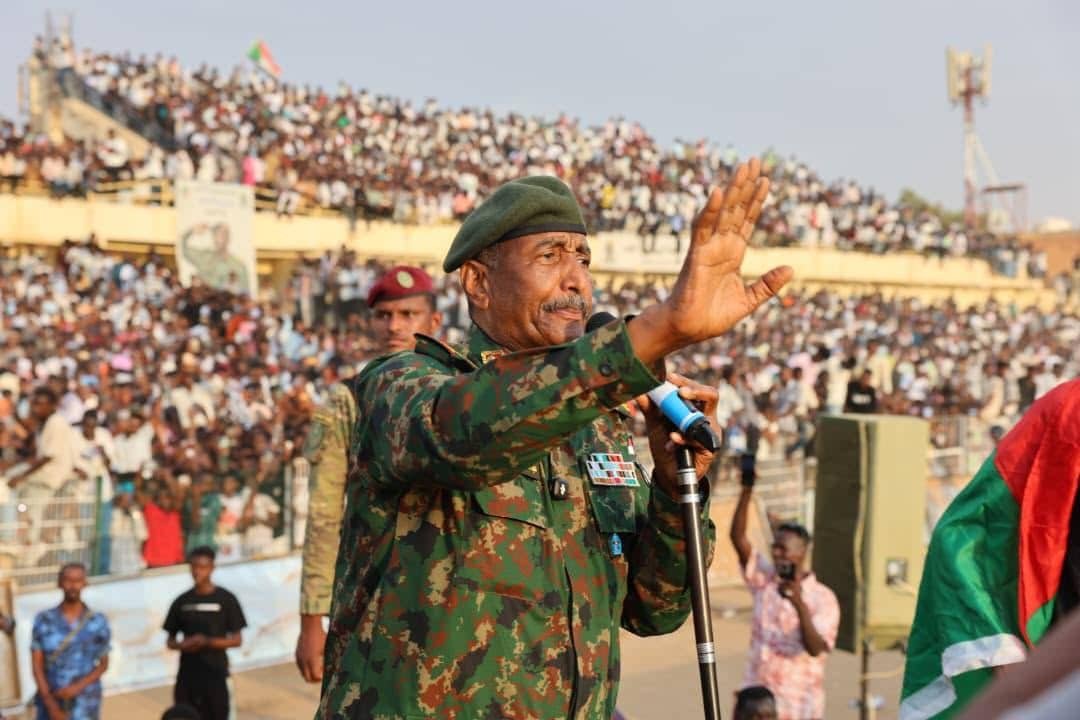
Any settlement designed without the consent of these people is not a peace plan. It is an org chart drawn in a hotel conference room. And on one point the Sudanese who stayed are not ambiguous: across the political spectrum, from former critics of military rule to displaced families in the east, a broad public has rallied behind the national army as the last institution standing between Sudan and total collapse. One can debate whether that consensus is comfortable for Western capitals. One cannot pretend it does not exist and still claim to speak for Sudanese aspirations.
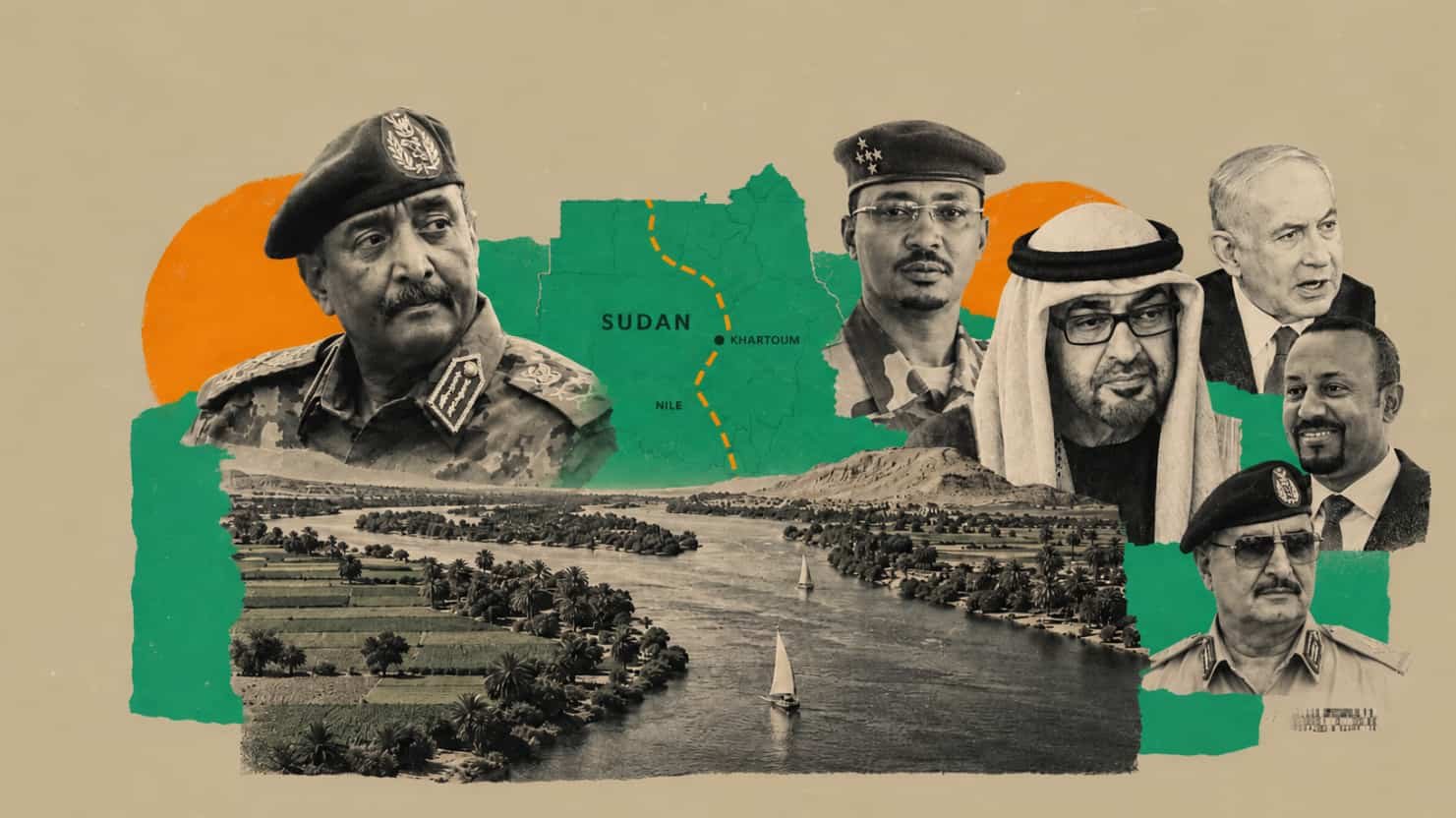
The deeper problem with the Boulos formula is the equivalence at its core. On one side stands the Sudanese Armed Forces: the army of an internationally recognized state, however flawed its record and however checkered its politics. On the other stands the RSF, a militia that Washington's own government has accused of genocide in Darfur, and that has been armed, financed, and resupplied from abroad on a scale no irregular force could sustain alone. UN panel reporting and investigative journalism have repeatedly traced the RSF's supply lines to the United Arab Emirates, and its ranks have swelled with mercenaries recruited across the region and beyond. Abu Dhabi denies the arming; the pattern of documentation has only thickened.
To place the commander of that force and the head of the Sudanese state in a single sentence, and consign them jointly to political oblivion, is not neutrality. It rewards the party that broke the state by promoting it to the state's equal. It tells every foreign patron of every African militia that sufficient firepower buys a seat at the table and, eventually, parity with the government you tried to overthrow. That is a catastrophic precedent, and Sudanese citizens understand it better than the mediators do.
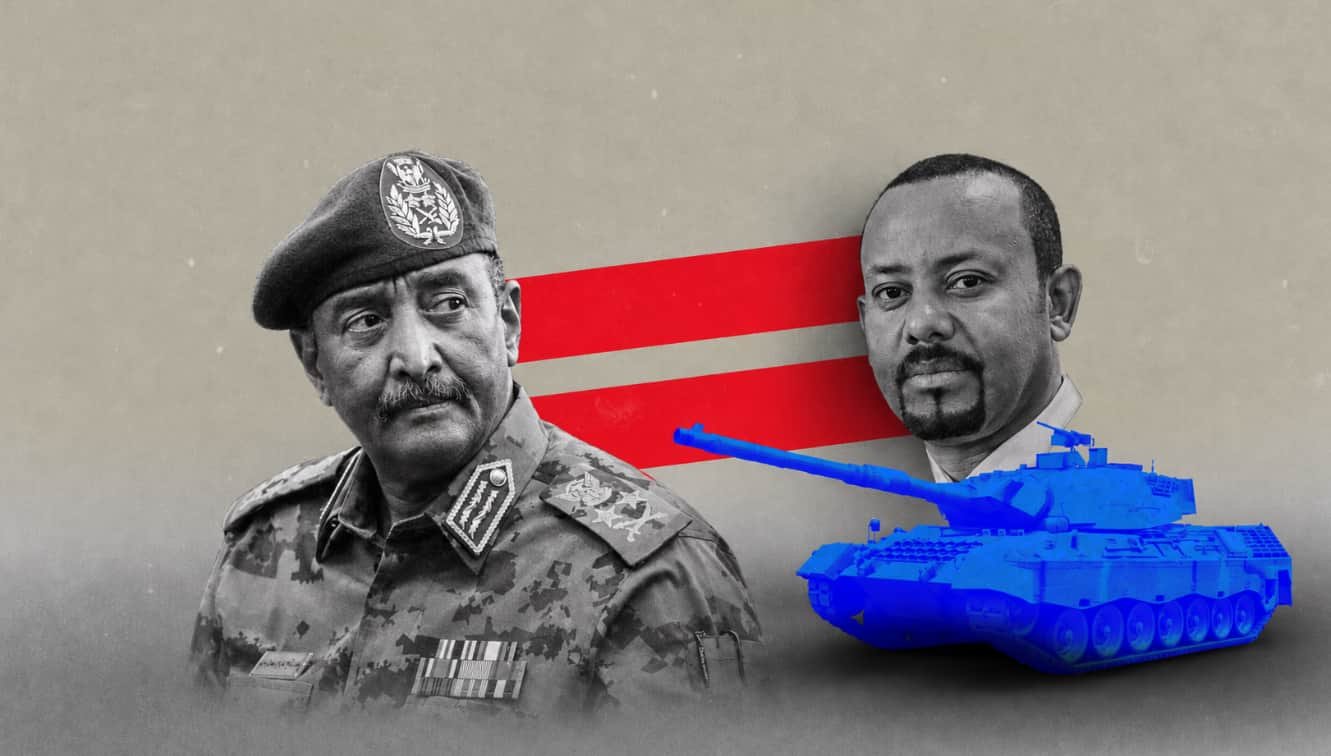
Washington's framework also lags the battlefield. The army has clawed back the capital and reasserted control over the country's center of gravity, while the RSF, pushed toward the peripheries, has compensated by internationalizing the war, drawing in regional actors through its foreign backers. Khartoum's grievances now extend to neighbors it accuses of hosting and enabling the militia's networks, with Ethiopia increasingly named as the hub of that regional axis. A mediation that still imagines two symmetrical camps frozen in 2023 cannot process any of this. It negotiates with a map that no longer exists.
None of this is an argument that the SAF is beyond criticism. The allegations of chemical weapons use reported this month are grave and demand independent investigation, and the army's political camp includes factions many Sudanese distrust. Al-Burhan's refusal of successive truce proposals carries real costs for a population in which twenty million people face hunger. Sudanese who back the army are not blind to its faults; they have simply concluded that a wounded state can be reformed, while a victorious militia can only be endured. Washington is entitled to press Burhan hard on conduct, on humanitarian access, on a civilian transition timetable. What it is not entitled to do is dissolve the distinction between the state and its destroyer.
A workable American policy would start from three recognitions. First, that the RSF's foreign lifeline, not Sudanese politics, is what sustains the war, and that pressure belongs on the patrons in Abu Dhabi and their regional partners at least as much as on the generals in Sudan. Second, that the constituency for peace inside Sudan runs through the institutions Sudanese people actually trust, and that today, by their own overwhelming behavior, that means the army and the state it anchors. Third, that a transition to civilian rule, which most Sudanese still want, can only be built on a state that survives, not on rubble administered jointly with the men who made it.
Mr. Boulos says a year of diplomacy has “not borne fruit.” He is right, and the reason is not insufficient pressure on Khartoum. It is that the tree was planted in the wrong soil. Peace formulas written for the comfort of external partners, equating victim state and proxy militia, asking nothing of the patron bankrolling the destruction, will keep failing for the same reason this one has: the Sudanese people were never consulted, and they are the ones who decide whether any peace holds.