Explore
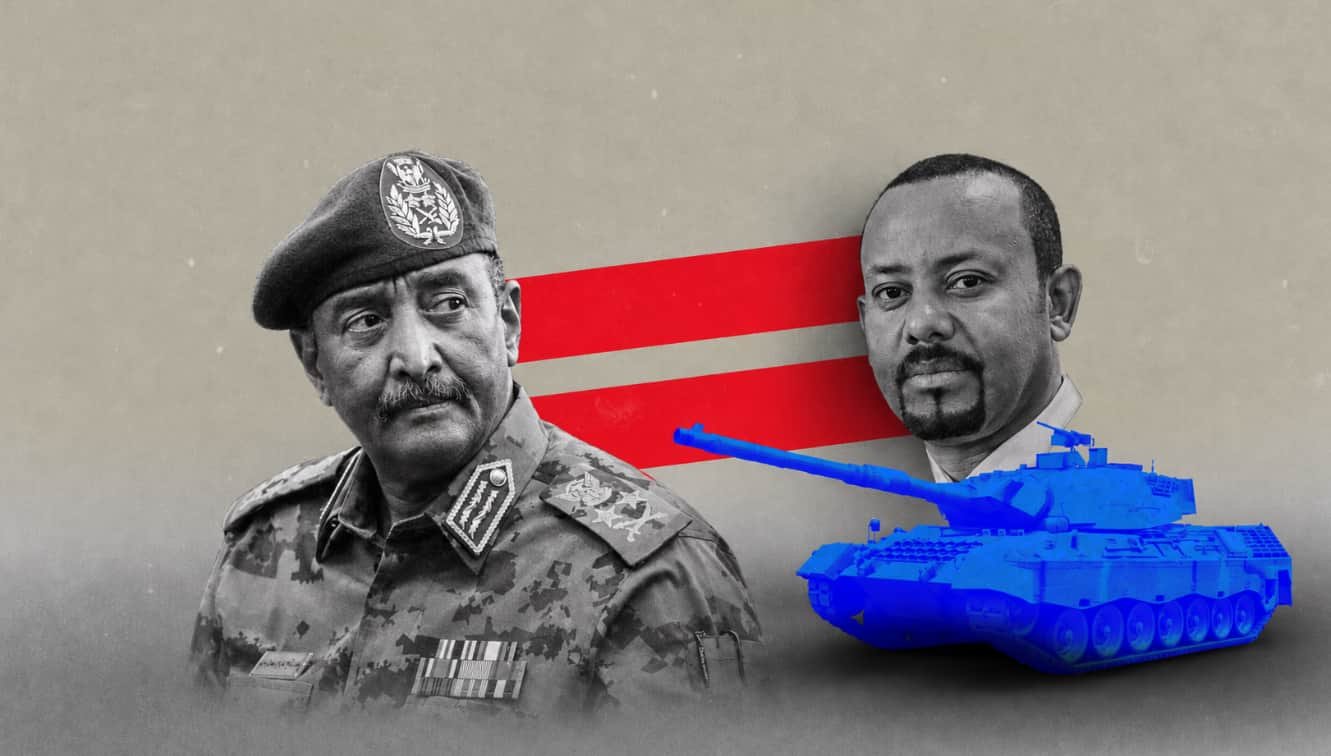
Akıncı Gives Sudan’s Army Total Command of the Skies
Sudan's army is not merely gaining ground in Kordofan. By reading its rival's weaknesses and fusing military power with politics, it is defeating the Rapid Support Forces both on the battlefield and within their own base.
In mid-September, the Sudanese army announced that it had seized eleven localities in North Kordofan in a single day. Al-Mamsuka, sixty kilometers west of the state capital El-Obeid, followed, as did Al-Jumama, northeast of Sodari, and the Al-Farshaya district of Dilling in South Kordofan. Military sources now say the fall of Sodari, which sits astride the roads linking North Kordofan to Darfur, is only a matter of time. None of these statements has been independently verified, but the direction is beyond dispute: the advance that began with Bara in late July has become a corridor stretching west from El-Obeid, and the war's center of gravity has shifted to the gates of Darfur.
Two ready-made narratives have circulated in recent months to explain this picture. The first holds that the Rapid Support Forces (RSF) have been starved of supplies by the turmoil in the Gulf; the second, that the group's tribal base is unraveling of its own accord. Both are true, and both are incomplete, because in both the army is a passive figure, the lucky heir to other people's mistakes. Opportunities do not convert themselves into victories. The real story in Kordofan is that of an army that lost its capital two years ago and yet endured, accumulated strength, correctly read the moment its rival weakened, and paired military pressure with a political offer to defeat the RSF on two fronts at once.
When the war began in April 2023, few predicted the army would reach this point. The RSF seized most of the capital within days, then Gezira, then nearly all of Darfur. The government withdrew to Port Sudan. Faced with a fast, light and well-financed militia, a heavy and cumbersome conventional army looked destined to lose.
The army's first achievement was not collapsing. The chain of command held, the officer corps stayed in place, and the institutions of the state, along with its international recognition, were preserved in Port Sudan. That bought the army time, and it used the time well. It expanded its air power and its drone inventory, drew in the joint force of Darfur's former rebel movements and volunteer resistance units, and broadened its front with allies such as Malik Agar's wing of the SPLM-North. It then advanced in a patient sequence: first Gezira and Wad Madani in early 2025, then Khartoum, then Kordofan. Each step secured the supply base for the next.
That patience was tested when El Fasher fell in October 2025. While the RSF prepared to proclaim a Darfur mini-state, the army declined to throw itself at Darfur for the sake of prestige and chose instead a slow campaign in Kordofan aimed at junctions and roads. Today's corridor is the product of that choice.
Taken one by one, the army's latest moves amount to a handful of small settlements. Taken together, they reveal an operational design. The surroundings of El-Obeid are being cleared step by step; to the north, the line through Bara and Jabrat al-Sheikh is being held; Hamrat al-Wuz was taken on September 6; to the west, the highway toward West Kordofan is being opened through Al-Mamsuka. According to reports from the field, the most critical gain is Al-Qa'a, a junction connecting North Kordofan both to Darfur and to the country's north. Simultaneous attacks in the north and the south force the RSF to choose which front to reinforce.
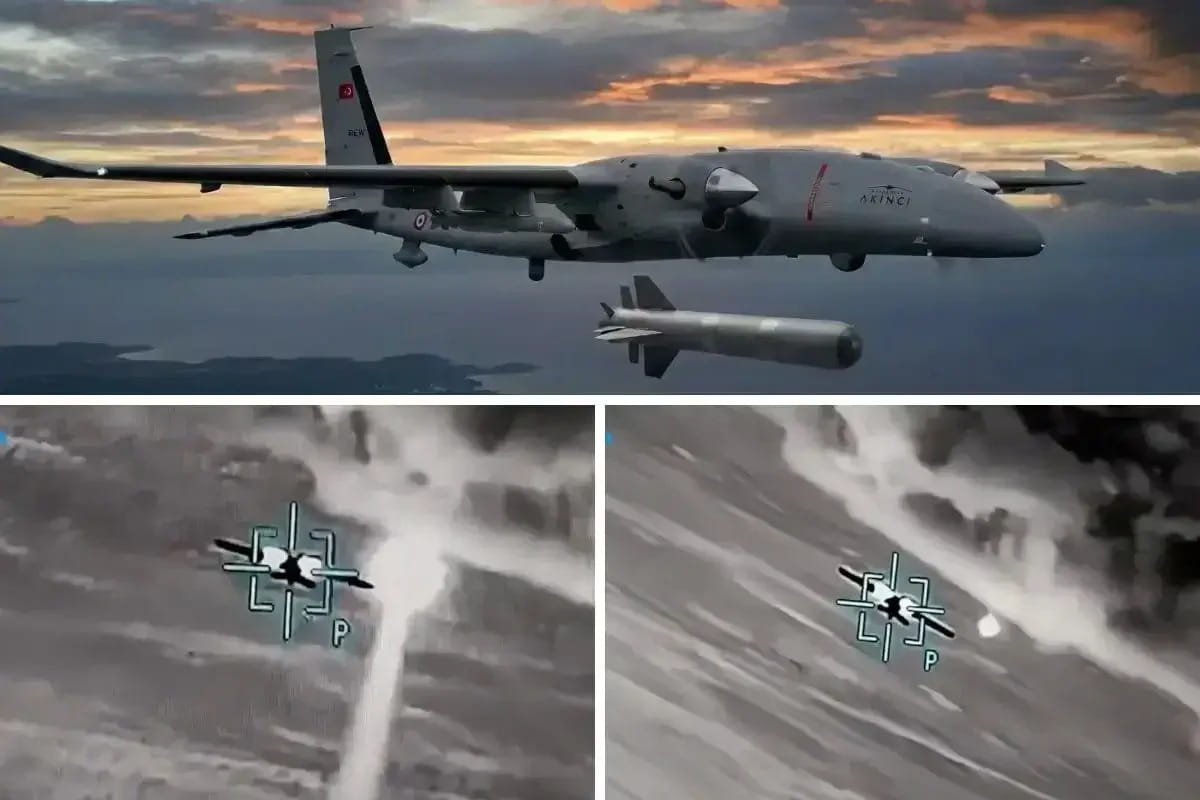
The objective here is not territory but mobility. The RSF's strength has always come from its speed, from vehicle convoys roaming freely along desert tracks. An RSF that loses the junctions turns from a maneuver force into one defending fixed positions, the form of warfare at which it is weakest. The army is completing the picture with drones: RSF vehicles in and around Sodari have been struck from the air for days, and military sources say supply convoys arriving via Libya and Chad, as well as field commanders, are also being targeted. Two years ago this weapon symbolized the RSF's technological edge. The army studied its rival's strongest card, acquired it, and turned it against him.
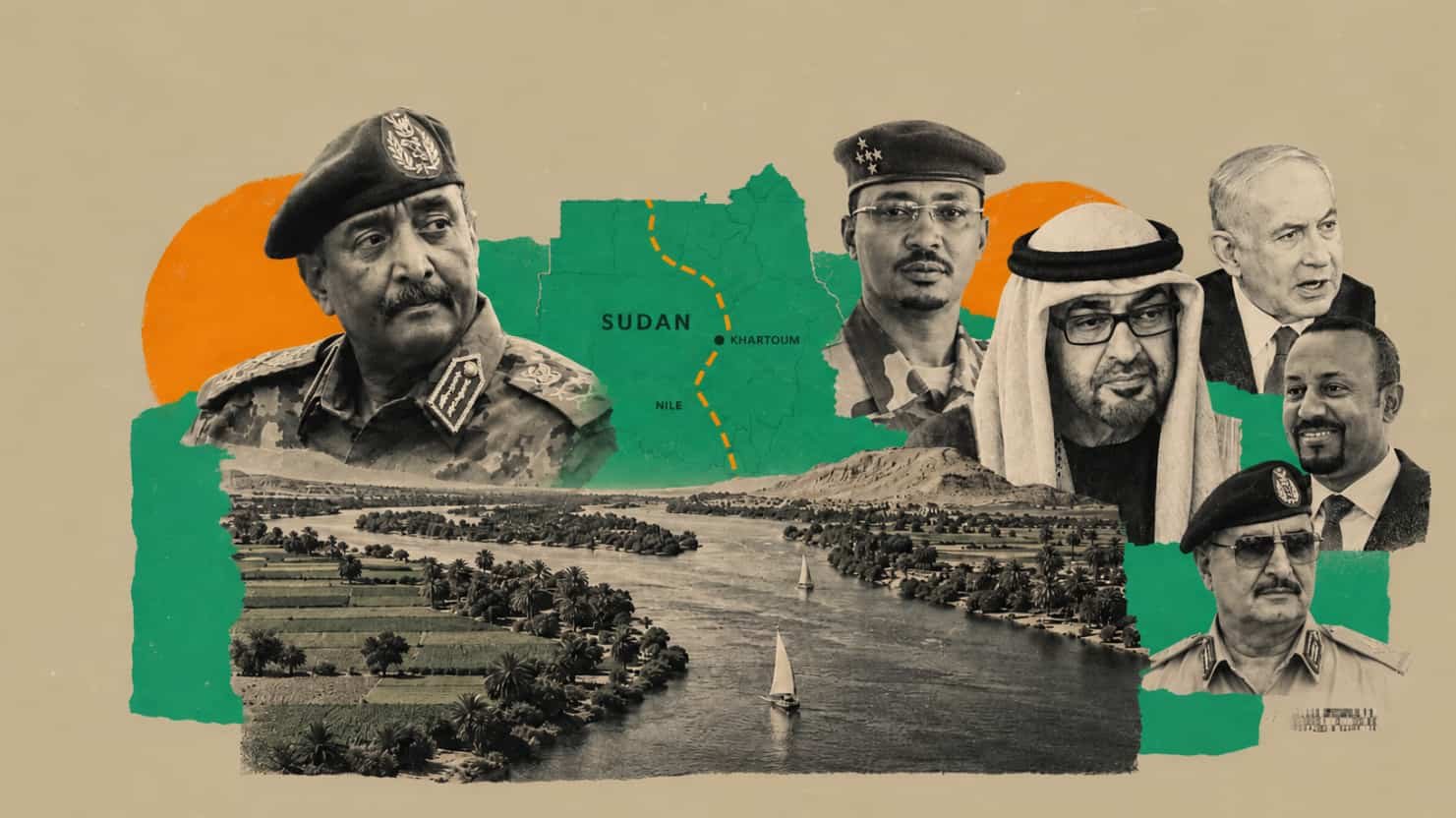
The army's timing is no accident. According to a thesis voiced with increasing frequency in the Arab press, the RSF is less a militia than a transnational logistics network: gold from Darfur's mines is converted into cash through companies in the Gulf, the cash into weapons, and the weapons flow to the field through way stations in Chad and Ethiopia. The network's financial hub is alleged to be run from Dubai by Algoney Dagalo, brother of the RSF leader known as Hemedti. Reports by UN experts have included findings along these lines; the United Arab Emirates denies the accusations. The thesis holds that Iran-related military escalation in the Gulf and the Red Sea turned the air and sea corridors on which this network depends into high-risk zones and disrupted the RSF's resupply.
Not every link in this causal chain can be verified. But even if the thesis is correct, it tells only half the story. A rival's supply troubles are an opportunity only for an army with the strength and the plan to exploit them. The army of 2023 could not have used such a window. The army of 2026 was ready when it opened: its forces were in place, its air power could hit supply lines, and it knew which junctions were the RSF's lifelines. External conditions pushed the door ajar; it was the army that walked through.
The army's second victory is being won inside the RSF's own base. When supplies shrink, every organization must choose, and every choice exposes a hierarchy. The RSF's hard core is the Arab tribes of Darfur, above all the Rizeigat, to which the Dagalo family belongs. By these accounts, dwindling supplies are routed first to the strongholds in Darfur, while units on the Kordofan front are left to meet the army's advance with conventional weapons. For a field commander from Kordofan, the conclusion is plain: he and his men are a buffer, spent to buy time for the core in Darfur.
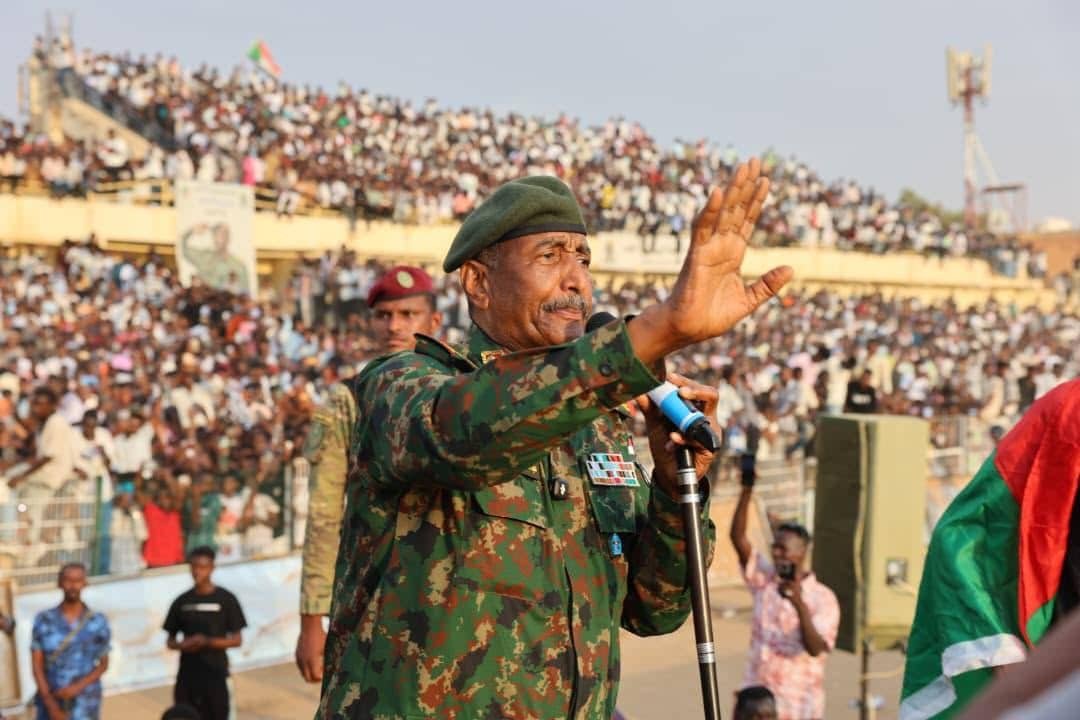
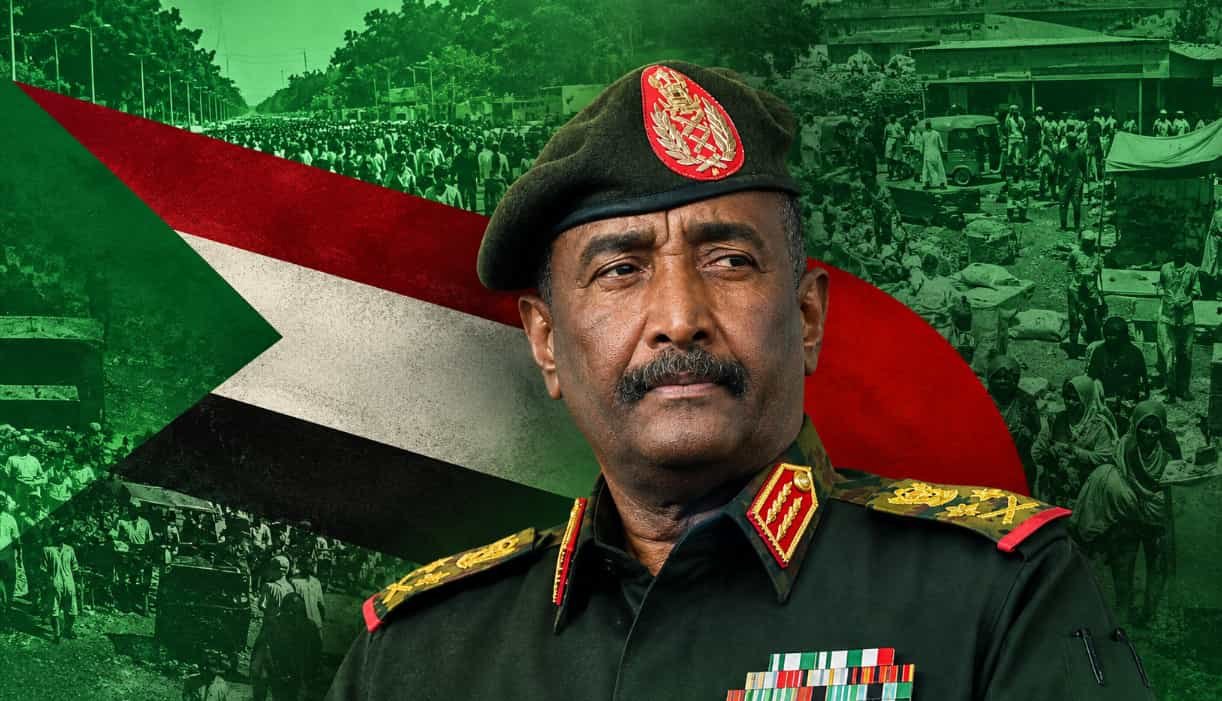
The army is not standing by and watching this resentment. It is working it. The "social amnesty" that General Abdel Fattah al-Burhan has repeated in recent speeches promises more than an individual legal pardon: it offers to cleanse the tribe of the burden of what its sons did in the RSF's ranks. For a tribal leader, the offer is attractive. By pledging loyalty to the army, he shields his community from collective reprisal after the war and regains the authority the RSF kept in the shadows for years. Hemedti built a structure that transcended the tribe, staffed by young commanders who drew their power from money rather than lineage. The model worked as long as the money flowed. When it stopped, the army offered the dispossessed sheikhs what the RSF could not: legitimacy, status and security.
The same strategy reaches into Darfur. The return to the stage of Musa Hilal, the traditional leader of the Mahamid, one of the largest branches of the Rizeigat, has opened a contest for legitimacy in the RSF's heartland. The RSF's answer was to besiege and burn Mistiriha, Hilal's stronghold in North Darfur. An organization that makes war on its own social base has declared that it has lost the political front. Behind the speed with which so many localities changed hands in North Kordofan, it is likely that local units chose to withdraw or to strike a deal rather than fight. This is a campaign in which military pressure and political offer feed each other: the further the army advances, the more credible its offer becomes, and the more the offer is accepted, the easier the advance.
A rival being defeated is not a harmless rival. As it retreats in Kordofan, the RSF has carried the war to the region the army considered safest: the east. Damazin, the capital of Blue Nile, was struck by loitering drones twice in two days, and fuel stations were destroyed. The RSF and its ally, Abdelaziz al-Hilu's wing of the SPLM-North, had in previous weeks seized Kurmuk and Qeissan on the Ethiopian border. In Gedaref and Kassala, the army said it repelled, without losses, an attack on the Upper Atbara and Setit dam complex and the Khashm el-Girba dam.
These attacks are themselves an admission of the balance in Kordofan. Analysts say their purpose is to slow the army's march toward Darfur: unable to hold ground, the RSF is striking from afar to harass the army's supply base and pull westward-bound forces back east. So far the army has not taken the bait. It defended the dams and kept its tempo in Kordofan.
The condition of the land the army is advancing through raises the question of how its gains will be held. More than thirty million people need assistance, twenty million face acute hunger, and fourteen million are displaced. In the north of West Kordofan, drought has destroyed roughly ninety percent of the harvest in some areas. The International Organization for Migration warns that stocks in the humanitarian pipeline relied upon by more than a hundred aid organizations will run out in less than two weeks.
Here, too, the army holds a card. With Bara and its surroundings secured, the export road between Omdurman and El-Obeid has reopened, and trade and aid have begun to move. Every junction retaken is also an aid route. If the army wants to give substance to the "return to the shade of the state" it is offering tribal leaders, the most persuasive evidence will be open roads and stocked markets. The limits of social amnesty should also be noted: for the victims of the crimes committed in Darfur, bargains struck with tribal leaders do not amount to justice, and the instrument of winning the war must not become an obstacle to building the peace.
The indicator to watch in the coming weeks is Sodari. If the town falls, the army will stand on the border of Darfur, and one year after the loss of El Fasher the initiative will have changed hands completely. Two paths remain for the RSF: to fortify its core in Darfur with supplies arriving from the east, or to be left with a base fragmenting around figures such as Musa Hilal. The army's sustained combination of military and political pressure makes the second more likely.
The RSF's story shows how quickly a force built on money and guns, without social roots, can rise, and how quickly it can come apart. The army's story shows the opposite: what an institution that absorbs defeat, preserves itself, accumulates strength and waits for its moment can do when the wind turns. The turmoil in the Gulf, the resentment of the tribes, the RSF's own mistakes were winds that blew for everyone. It was the army that raised the sail. Whether the junctions won in Kordofan become a lasting victory will be decided by the political order built around them.