Explore
Akıncı Gives Sudan’s Army Total Command of the Skies
KHARTOUM — Small islands and exposed stretches of riverbed have emerged along the Blue Nile in Khartoum, as water levels on the Nile's most important tributary fall to critically low levels during what should be the peak of the flood season, worsening an agricultural crisis in a country already devastated by more than three years of war.
Images from the Sudanese capital on August 25 showed sandbanks breaking the river's surface, a sight normally associated with the dry months rather than late August, when the Blue Nile — which supplies the majority of the Nile's total flow — typically swells with Ethiopian highland rains.
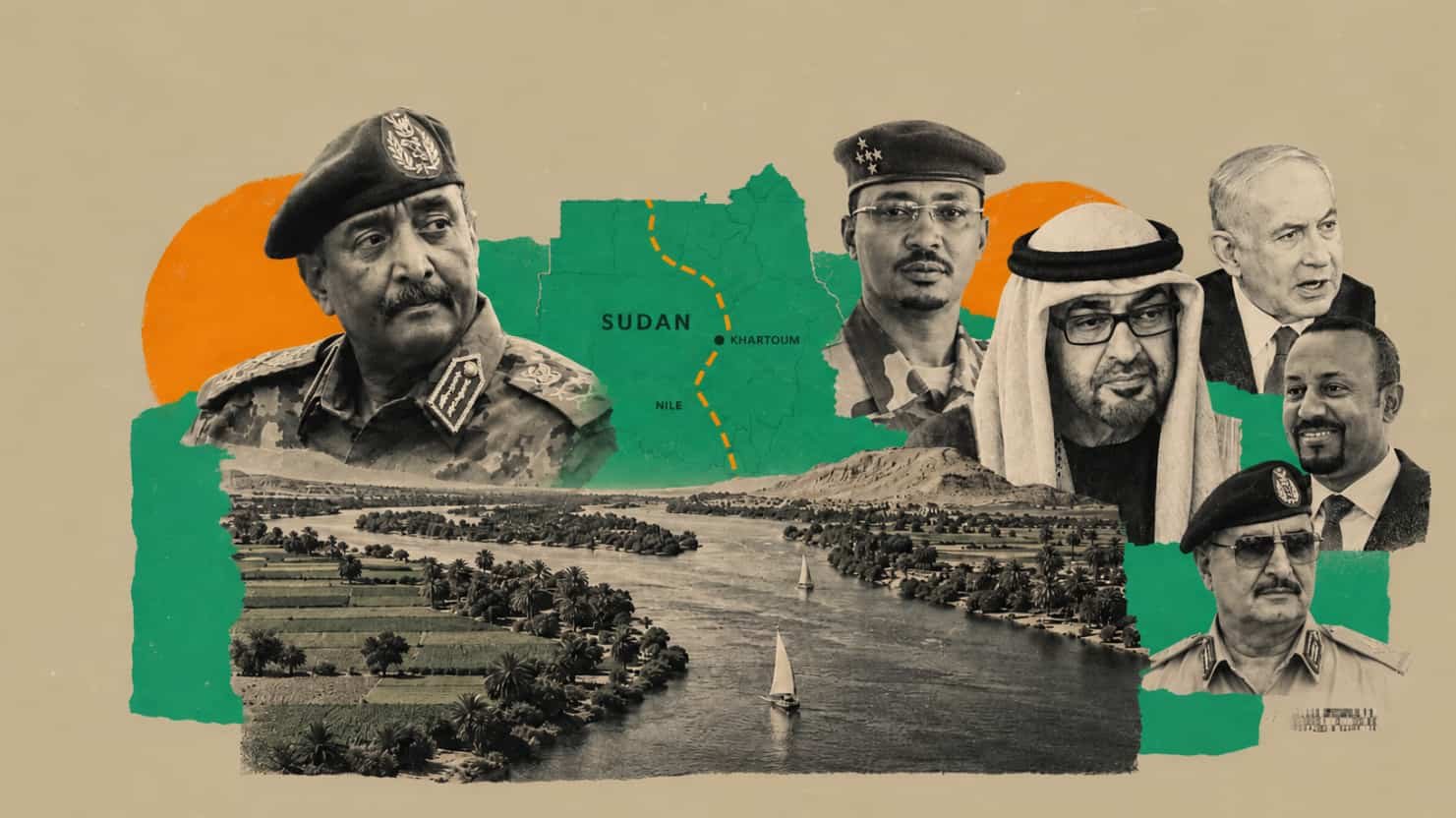
High temperatures and delayed, below-average rainfall are the immediate drivers of the shortfall. But Sudanese officials and water experts point to a further factor upstream: the Grand Ethiopian Renaissance Dam (GERD). Since Ethiopia completed the filling of the massive reservoir and inaugurated the dam, downstream flows have become subject to Addis Ababa's release schedule rather than the river's natural cycle. Critics in Khartoum argue that reduced releases during a poor rainy season have compounded the drought's effects, and note that Ethiopia continues to operate the dam without a binding agreement with Sudan and Egypt on how to manage flows in dry years — the core of a dispute that has strained relations between the three countries for over a decade. Ethiopia rejects this, maintaining that the dam regulates flooding and does not harm downstream nations.
The war has deepened the crisis on the ground. Beyond leaving thousands of acres uncultivated since fighting erupted in April 2023, the conflict has inflicted lasting ecological and infrastructural damage on Sudan's agricultural heartland. During its occupation of Gezira state, home to one of Africa's largest irrigation schemes, the Rapid Support Forces (RSF) were accused of looting and destroying pumps, canals and machinery, stripping farms of equipment and fuel, and driving farmers off their land. Agricultural engineers warn that neglected and damaged canal networks have silted up, meaning that even the water that does arrive cannot reach fields that fed much of the country.
The combined result is a near standstill in agricultural production. With the harvest outlook collapsing, aid agencies warn that the water crisis is feeding directly into what is already one of the world's largest hunger emergencies, with famine conditions confirmed in parts of the country.
For now, residents of Khartoum can walk on parts of a riverbed that should be underwater — a stark image of a country squeezed between a changing climate, an upstream dam it does not control, and a war that has poisoned its own capacity to recover.