Politics & Security
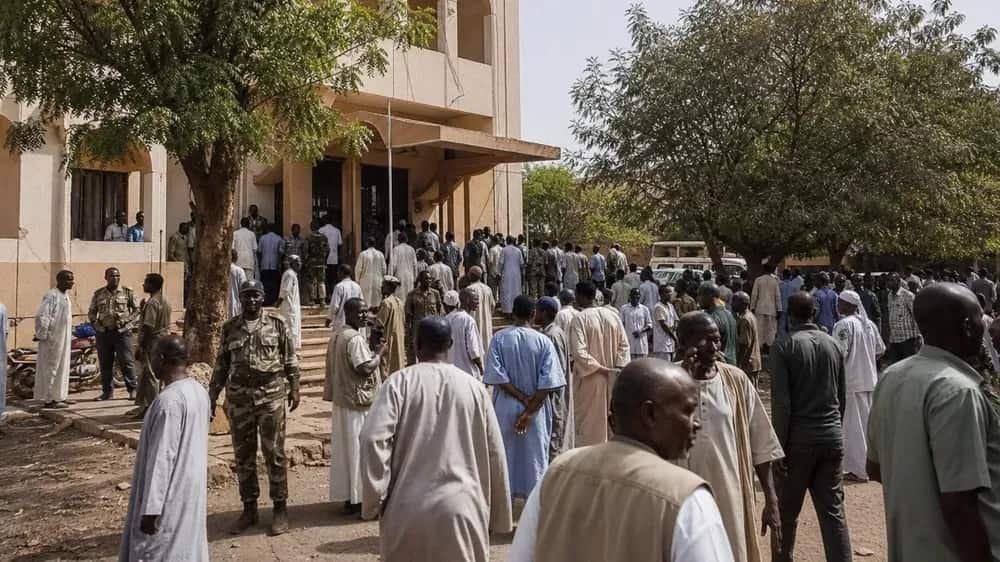
UAE-Armed RSF Drone Hits Sudan Courthouse Crowd: 13 Dead
Sudan's transitional authorities have removed one of the main obstacles to a long-awaited national dialogue, announcing that criminal complaints filed against politicians over their views or activities will be expunged and that participants will enjoy temporary immunity from prosecution.
Justice Minister Mohamed Abdallah Daraf told reporters in Khartoum on Tuesday that Sovereign Council chief Abdel Fattah al-Burhan signed Decree No. 363 of 2026 on August 31, responding to demands from an independent civic initiative launched days earlier to prepare the ground for Sudanese-Sudanese talks aimed at ending the war.
The decree covers Sudanese citizens living abroad who return to take part in the dialogue: any complaint registered against them by a state body over a political act or statement will be struck from the record, and the charges attached to those complaints dropped. Participants cannot face new criminal proceedings from the moment they enter the country until a period after the dialogue concludes, to be set by the Sovereign Council.
The protection extends beyond old cases. Opinions expressed during the consultations whether directly or indirectly connected to the talks are also shielded from prosecution while the immunity remains in force. Daraf said judicial, police and security agencies have been instructed to enforce the decree fully and to block any attempt to influence the dialogue's outcome.
Notably, the government is positioning itself outside the process. Daraf insisted the state's role is limited to guarantees, logistics and protection, and that it will not set the dialogue's participants, agenda, timetable or conclusions tasks he said belong to the preparatory committee, which announced the start of initial consultations on Sunday.
Asked whether the measure covers Rapid Support Forces commanders or fighters, the minister drew a firm line: combatants fall under an earlier, separate amnesty that applies only to those who voluntarily surrender to the armed forces and hand over their weapons. Fighters captured in battle, he said, get no such benefit.
The war between the army and the RSF, raging since April 2023, has killed tens of thousands and displaced roughly 13 million people, according to UN and international estimates.