Politics & Security
Iran's Best African Customer Isn't Sudan, It's Ethiopia
The fragile effort to restart negotiations between Ethiopia's federal government and the Tigray region has hit a wall: Mekelle no longer wants Olusegun Obasanjo at the table.
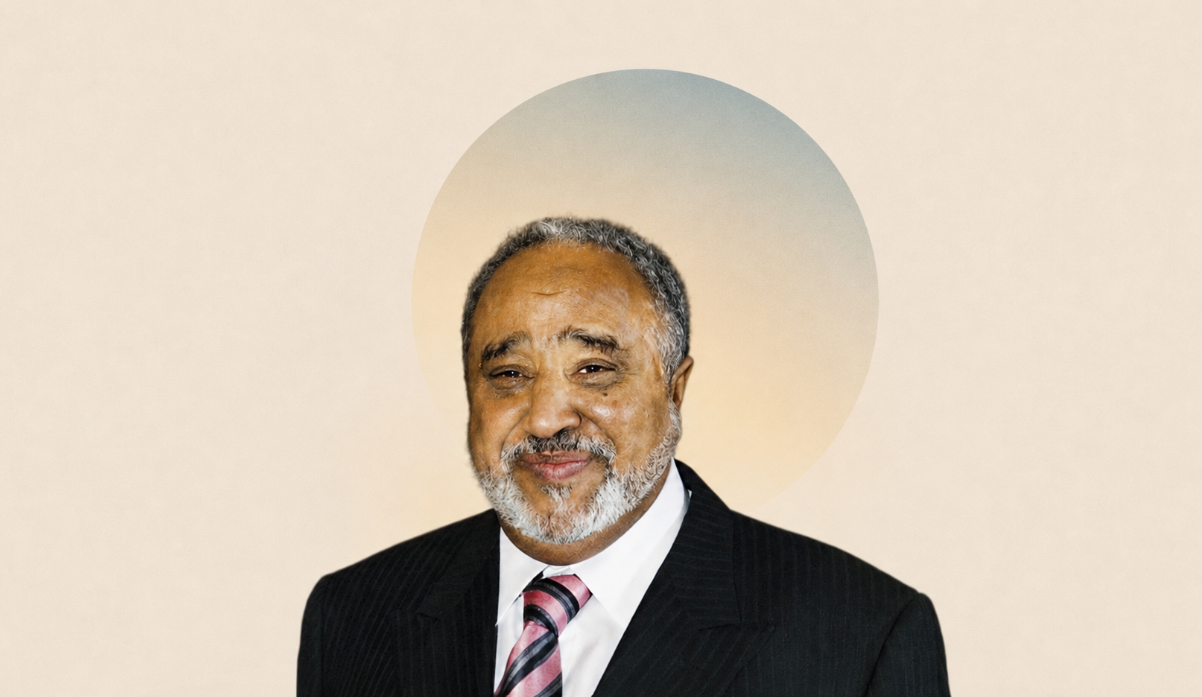
In a statement released on September 6, 2026, the Tigray Regional Government announced that it does not consider the former Nigerian president a suitable mediator for a renewed round of talks, saying it has been unable to find in him the impartiality and initiative the crisis demands. The regional authorities stressed that their commitment to peace and dialogue stands — their objection, they said, is to the mediator, not to mediation itself.
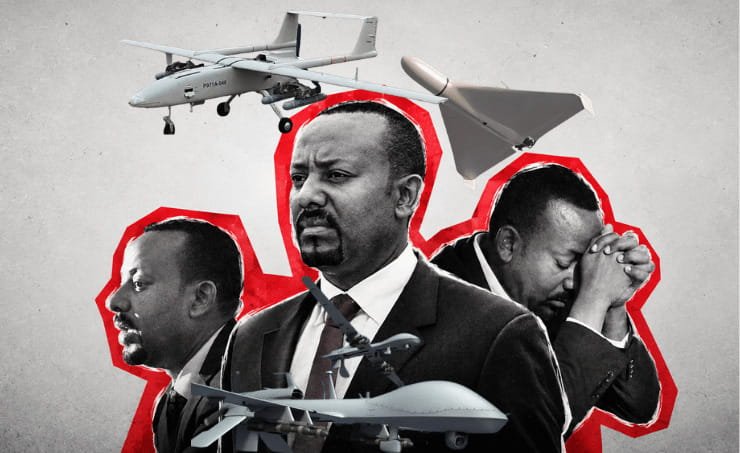
The rejection carries weight because of who Obasanjo is in this story. He was a central figure in the diplomacy that produced the November 2022 Pretoria Agreement, the deal that silenced the guns after two years of devastating war. Nearly four years on, however, Mekelle argues that the agreement exists mostly on paper. The statement accuses Addis Ababa of leaving core commitments unfulfilled and describes a region still living under what it characterizes as economic strangulation, military encirclement and constant drone surveillance.
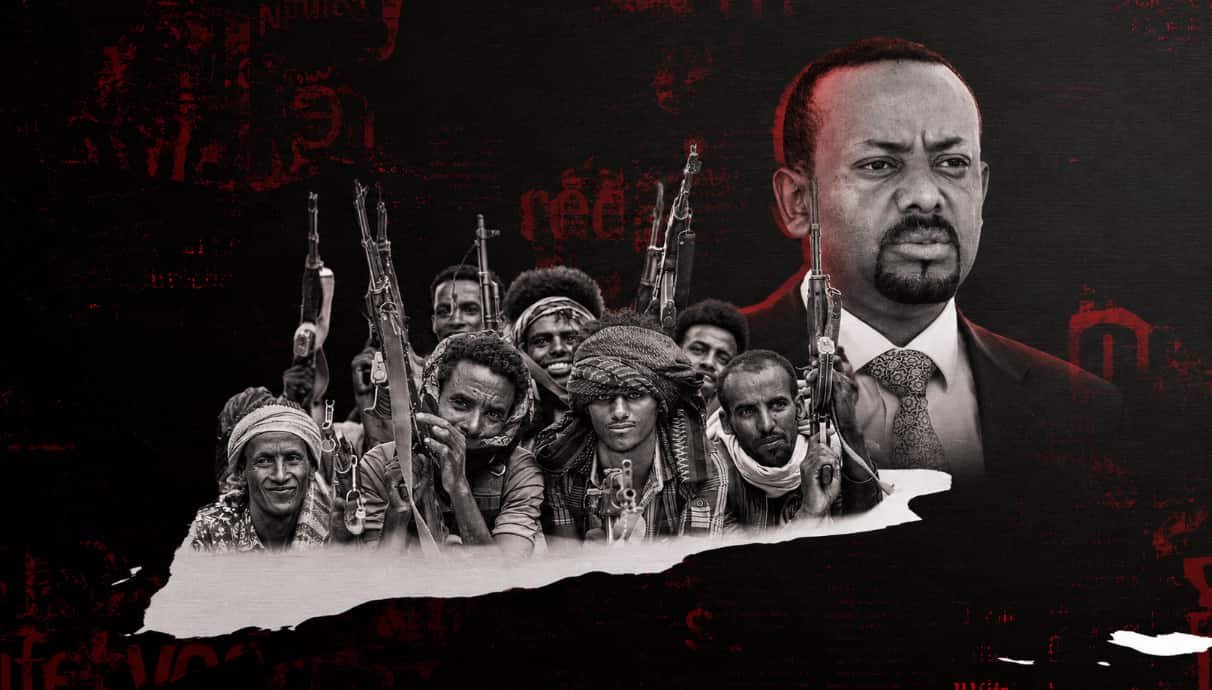
The dispute over the mediator is unfolding against a backdrop of deteriorating security. The Tigray statement alleges recent drone strikes by federal forces inside the region and points to clashes at Shererina in western Tigray, framing these developments as proof of what it calls a persisting "genocidal intent" on the federal side. These characterizations are Tigray's own; Addis Ababa has not accepted them.
Independent monitoring paints a more contained, though still troubling, picture. A recent assessment by the conflict-tracking organization ACLED recorded ground fighting, artillery exchanges and aerial activity since the beginning of August, while concluding that the violence has so far remained more localized and less sustained in intensity than the full-scale war of 2020–2022.
Beyond questions of neutrality, one specific episode appears to have done lasting damage to Obasanjo's standing in Mekelle: his invocation of Nigeria's civil war.
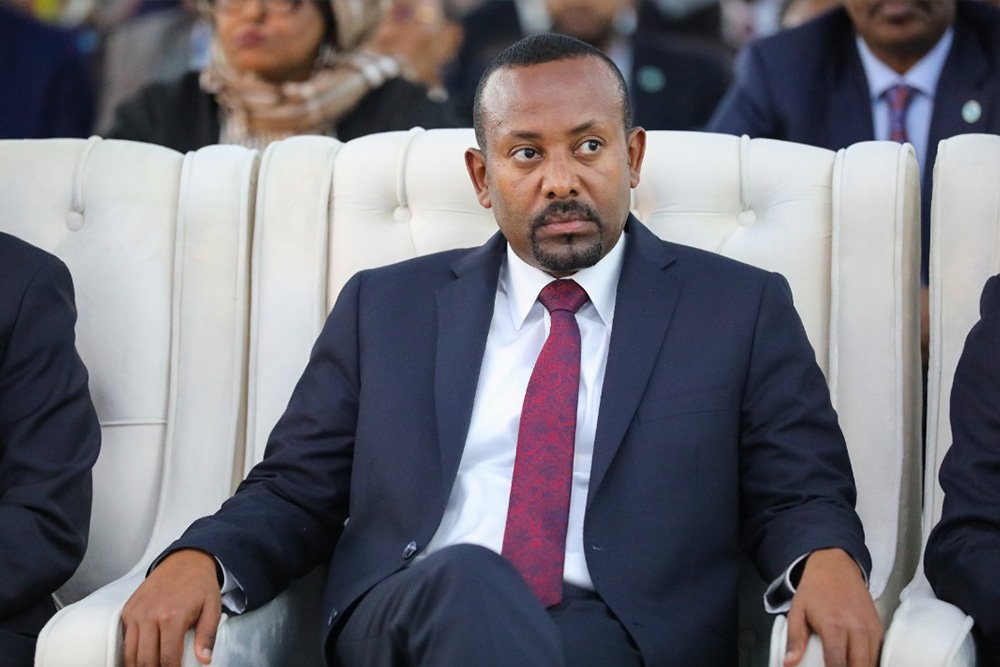
According to the Tigray statement, Prime Minister Abiy Ahmed said on July 14 that Obasanjo had shared with him his experience of the Biafran peace process, and Obasanjo later spoke about that experience before Ethiopia's National Dialogue Conference. For Tigray's leadership, the parallel was not merely inapt but alarming. Biafra, they noted, was a story of blockade, encirclement and mass starvation that ended in the outright military defeat of one side — not in a negotiated settlement between equals. Presenting that history as a relevant template, the statement argued, revealed something troubling about how the mediator understands the current conflict, and deepened doubts about his approach.
The statement also aired a more practical grievance. Obasanjo traveled to Mekelle in June for discussions with regional officials, part of an intensifying push to revive dialogue between the region and the federal government. Those talks explored possible pathways back to the negotiating table.
By Tigray's account, Obasanjo closed the June meetings with a pledge to return within one to two weeks. Instead, the region says, close to two months went by before he reappeared a delay that, in Mekelle's reading, spoke louder than his assurances.
Taken together, the September 6 statement amounts to more than a complaint about one envoy. It signals that Tigray intends to contest the architecture of the renewed peace process itself beginning with the question of who gets to referee it. With implementation of Pretoria frozen and localized fighting flickering back to life, the search for a mediator both sides can accept has now become the process's first, unresolved negotiation.