Politics & Security
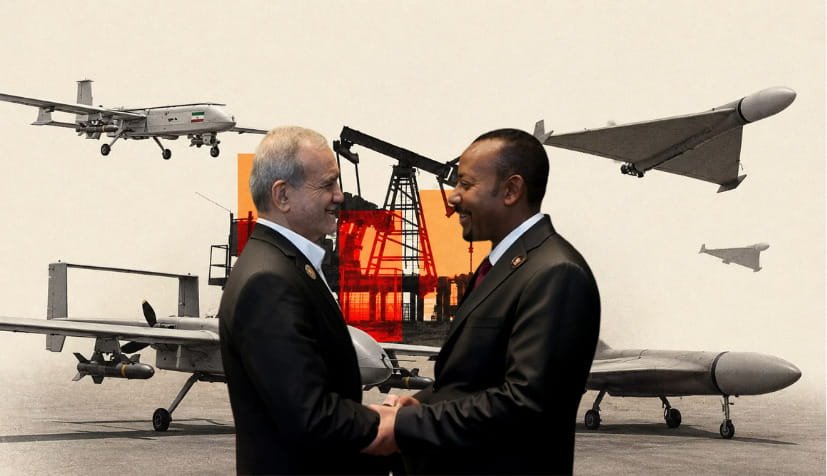
Iran's Best African Customer Isn't Sudan, It's Ethiopia
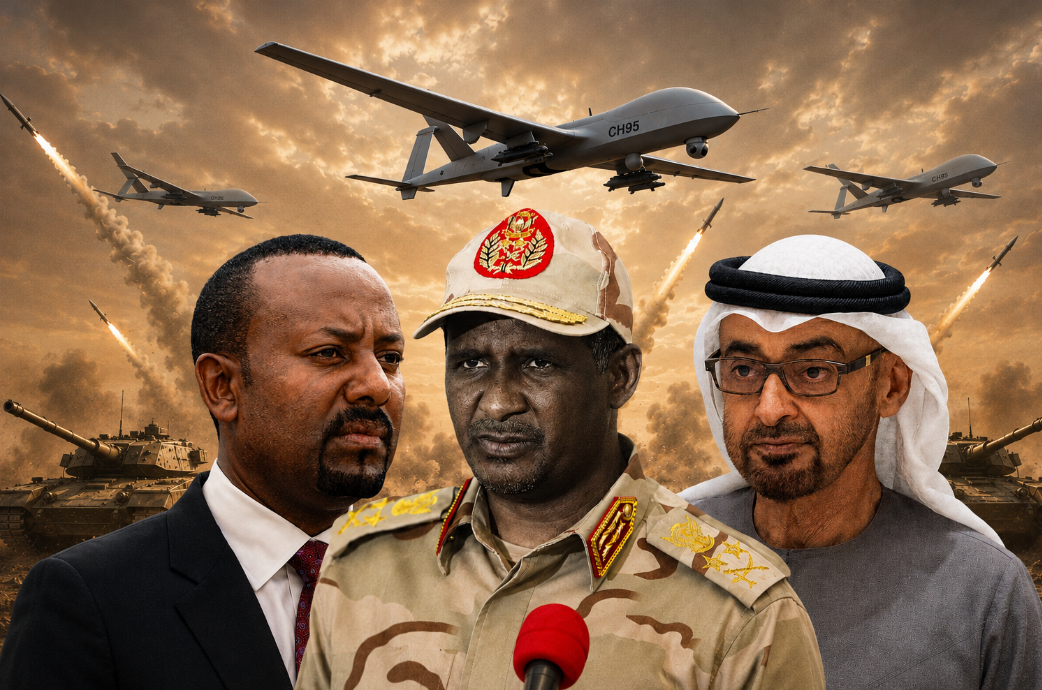
Ethiopia has been manufacturing drones at two factories since last year and is now believed to field a fleet of thousands, analysts say, handing the federal government a decisive edge over its multiple insurgent enemies.
Drones proved pivotal during the 2020-2022 civil war, when the army used them to push Tigrayan rebels back from within 200 kilometres of Addis Ababa. Only the federal army operates military drones in the country of 130 million and increasingly, they are made at home.
Prime Minister Abiy Ahmed inaugurated the SkyWin Aeronautics factory in March 2025, presenting drones "designed and built by our own young professionals" and insisting the aim was "not to fuel conflict, but to prevent it" through deterrence. Analysts are skeptical of the self-sufficiency claims. "One hall with some shiny drones tells us little about real production capabilities," said SIPRI researcher Pieter Wezeman, assessing that "a substantial part" is likely imported. The model unveiled at SkyWin closely resembled a commercially available Chinese design, according to Janes analyst Jeremy Binnie, who noted that mass-producing such drones could sharply increase military effectiveness if every brigade could use them to locate the enemy and direct artillery fire.
A second facility, Aeroabay, opened in late 2025 and is producing thousands of small weaponized FPV quadcopters costing $5,000 to $10,000 each — some controlled by fibre-optic cables to defeat jamming, according to drone specialist Wim Zwijnenburg of PAX.
The fleet is already in heavy use. ACLED has recorded 102 drone strikes in Amhara since the Fano insurgency began in April 2023, alongside operations in Oromia and at least 14 strikes in Tigray this year seven in August alone as fears grow of a return to full-scale war. The TPLF's vice president accuses the army of using drones "to create terror among the people" and destroy civilian infrastructure, while the strikes have been blamed for civilian deaths on multiple occasions.
Analysts are divided on what comes next: some see the strikes on weapons stores as groundwork for a federal offensive, while the International Crisis Group's Magnus Taylor argues Abiy is avoiding a costly ground war. "Because he can use drones essentially unopposed," Taylor said, "he can keep it going for a lot longer."