
Politics & Security
Chad Is Becoming Sudan's Second Front
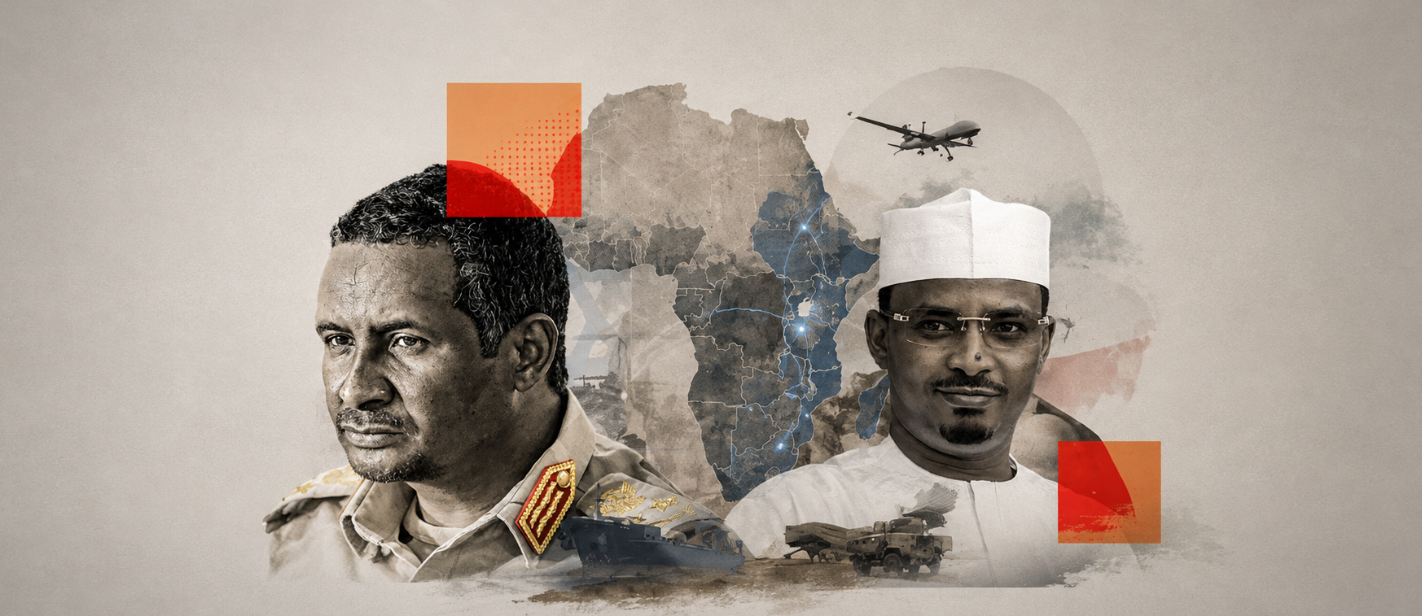
All the indicators of an era's end have converged in N'Djamena at once: an increasingly isolated leader, a silenced opposition, rising political violence, restless generals, and a rebellion gathering strength in the country's south. Mahamat Idriss Déby, known as "Kaka," who came to power in April 2021 after his father Idriss Déby Itno died on the battlefield, has failed in five years to consolidate the dynastic system. When he took charge of the Transitional Military Council, he believed he could execute a smooth succession plan; the realities of power caught up with him quickly.
The younger Déby's governing formula rested on only the first leg of the triad his father had masterfully blended — force, compromise, and unconventional alliances. Despite the veneer of a national dialogue, he could not unite the country; he crushed opposition demonstrations and purged honest officers from the army. The wave of political violence in 2021-2022 left protesters dead and saw the arrest of numerous opposition figures, including Succès Masra, who was forced into exile. Masra's trajectory is a case study in the regime's nature. Returning from exile under the Kinshasa agreement, the opposition leader made his first mistake by accepting the premiership in January 2024; he committed his second by contesting the May 2024 election and thereby legitimizing the victory of Déby — who had promised not to run after a two-year transition. In Africa, political promises often bind only those who believe them. The price came swiftly: Masra was arrested the day after the election and sentenced in August 2025 to twenty years in prison. Opposition leader Yaya Dillo had already been killed in February 2024 during an assault on his party headquarters. Combined with constitutional revisions clearing the way for unlimited terms, the picture convinced many observers that the son would prove even more authoritarian than the father.
The regime's internal rigidity is compounded by external encirclement. Sudan's civil war has spilled across the border in the form of armed incursions, killings, kidnappings, and the forced recruitment of young Chadians from communities hostile to the ruling power; nearly one million Sudanese refugees and returnees strain an already fragile humanitarian balance. Deadly farmer-herder clashes — inflamed by the perception that the army is dominated by a single tribe — food insecurity worsened by droughts and floods, the persistent Boko Haram threat, and the growing presence of rebel groups such as the MPRD and FACT in the south are eroding N'Djamena's capacity to govern on every front.
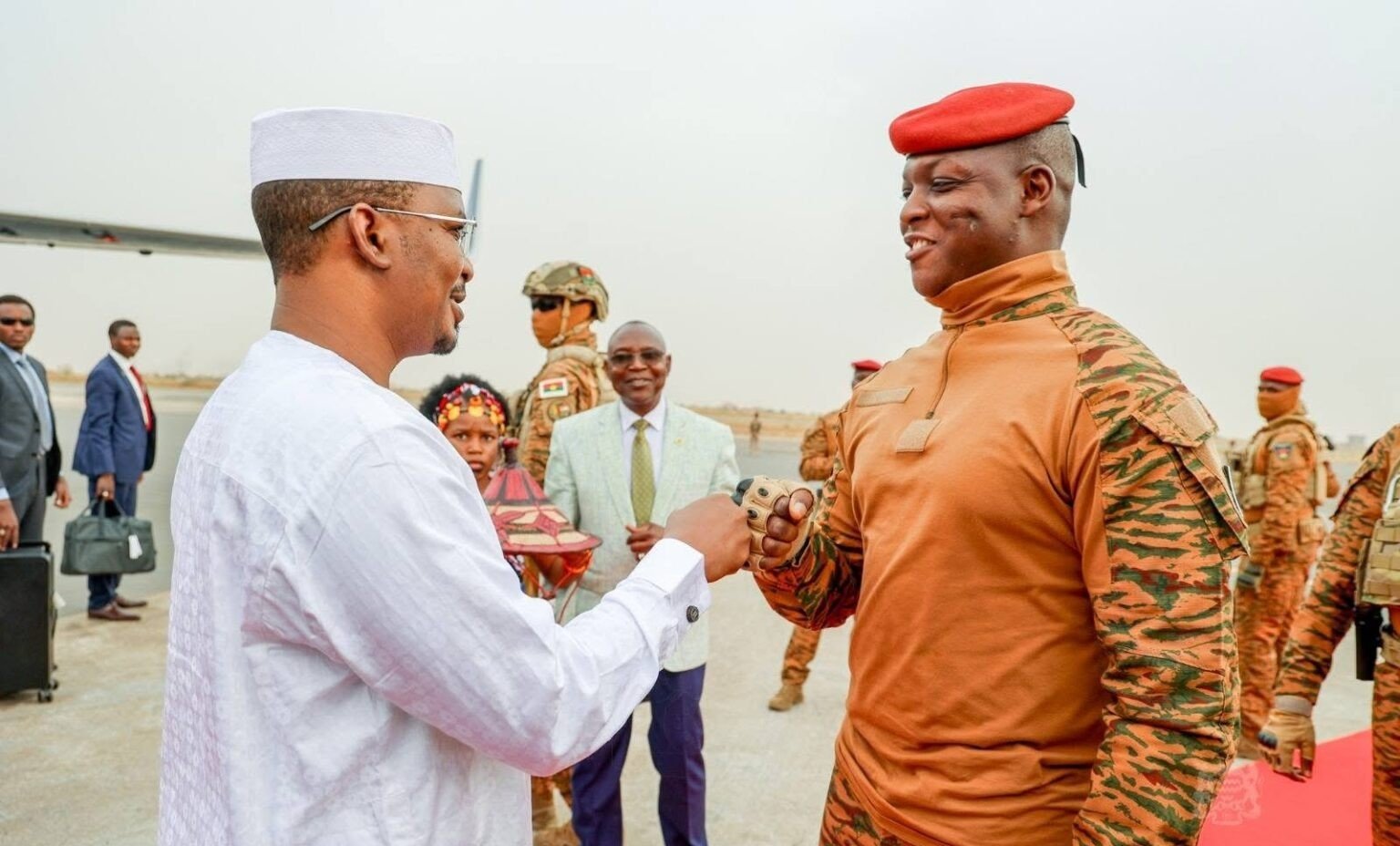
Déby's foreign policy pivot is a product of this squeeze. By terminating military cooperation agreements with France in November 2024 — prompting the withdrawal of more than a thousand French troops in early 2025 — he sought to assert sovereignty and turned toward new partners: Russia, Türkiye, and the United Arab Emirates. He claims inspiration from the Alliance of Sahel States and insists Chad's army can defend its territory alone. Yet he hesitates to join the alliance, for Chad remains one of the last bastions of Françafrique, and his own ascent — after his father's death in unclear circumstances — was strongly backed by Emmanuel Macron. Indeed, since his last visit to Paris, observers have noted the return of the French military presence in another guise, described as "military advisers." This oscillation between the rhetoric of sovereignty and the umbilical cord to Paris is the essence of the regime's strategic indecision.
The real question is now this: how long can the Déby dynasty endure? The signs are troubling. Though he holds the title of Marshal like his father, the younger Déby has grown hesitant to appear in the field, canceling a planned Ramadan stay in his home region over political and security tensions. More striking still, he failed to deliver his traditional Ramadan message this year — a ritual he had maintained for four consecutive years. The silence has fueled speculation that fear and uncertainty may have changed sides. The resignation of his uncle, Higher Education Minister Tom Erdimi, after his reform of the CENOU university agency — regarded as a financial gold mine for regime elites — was rejected, suggests the system is cracking from within as well. The road ahead forks in two directions: Déby may use the crisis to fortify his rule through a cabinet reshuffle — or he may lose control altogether. His father knew how to hold force, concession, and unlikely alliances in the same hand; the son, for now, holds only force. And dynasties that stand on one leg have rarely endured.
French investors are reallocating capital toward strategic sectors such as artificial intelligence and technology rather than pulling out of the region altogether.
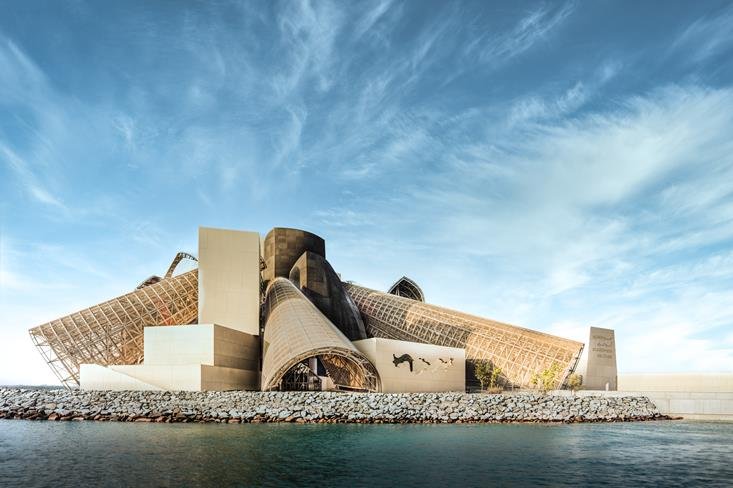
Guggenheim Abu Dhabi announced its official opening date last week, bringing a renewed sense of hope and optimism to the upcoming busy autumn season in the United Arab Emirates.