
Opinion
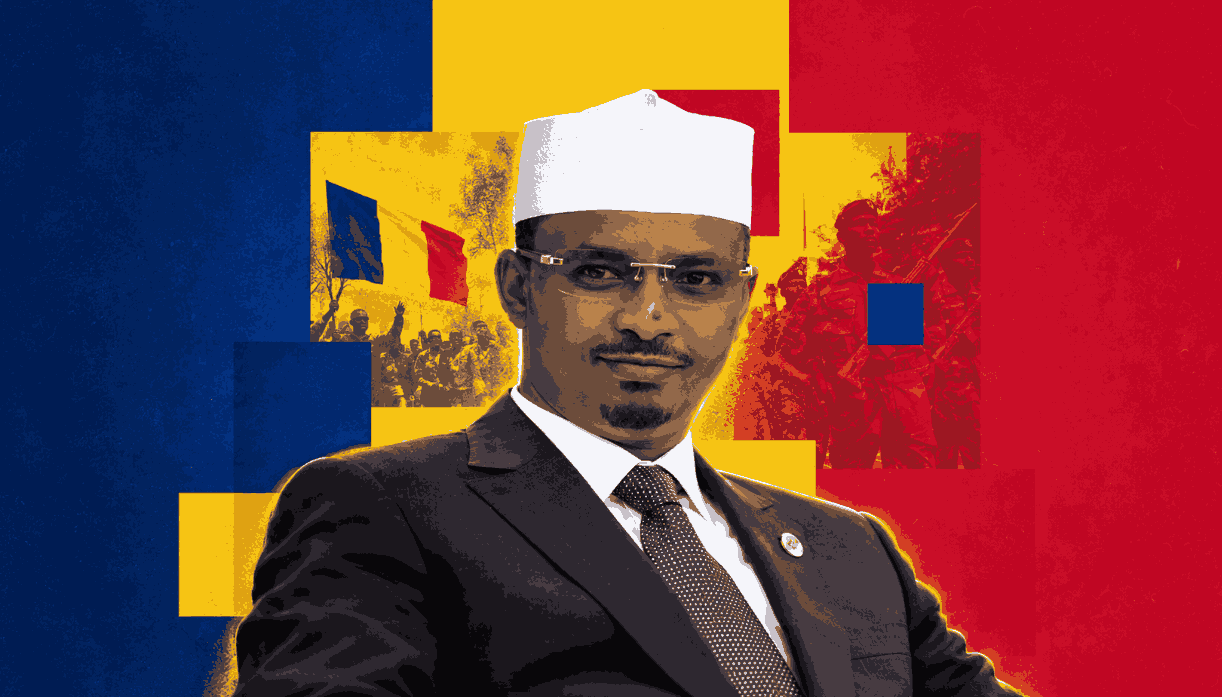
Repression, Rebellion and the Twilight of the Déby Dynasty
OUAGADOUGOU/N'DJAMENA — Burkina Faso posted a trade surplus of 2,320.4 billion CFA francs in the first half of 2026, driven by a surge in gold exports, according to official figures. The numbers have drawn sharp comparisons with neighboring Chad, where critics say the government refuses to disclose even the most basic data on its own mining sector.
Between January and June, Burkina Faso's exports climbed 60.4 percent to 4,643.7 billion CFA francs, against imports of 2,323.3 billion. Gold accounted for the bulk of the gain, with revenues from the metal rising by 1,790.8 billion CFA francs over the period. The mining sector now represents 93.3 percent of the country's total exports.
The publication of detailed trade data allows Burkinabè citizens to gauge how much their natural resources contribute to the national economy, an exercise that has become a point of contrast with Chad.
Despite large-scale extraction of gold, antimony, tungsten and other strategic minerals, Chadian authorities do not publish export volumes, destinations, the companies involved or the revenues actually paid into the Treasury, according to the Chadian news outlet TchadOne, which has conducted its own investigations into the sector.
The outlet accuses President Mahamat Idriss Déby, widely referred to as Mahamat Kaka, and his inner circle of deliberately keeping the mining sector opaque so that a significant share of revenues bypasses the national budget and benefits a small group. It describes the situation as organized looting of the country's subsoil, and argues that without its own traceability efforts, Chadians would have no sense of the scale involved.
The contrast is stark, the outlet says: while Burkina Faso publicly reports its results, Chad continues to seek external assistance to pay its civil servants even as minerals leave the country largely unaccounted for.
The Chadian government has not publicly responded to the allegations.
French investors are reallocating capital toward strategic sectors such as artificial intelligence and technology rather than pulling out of the region altogether.
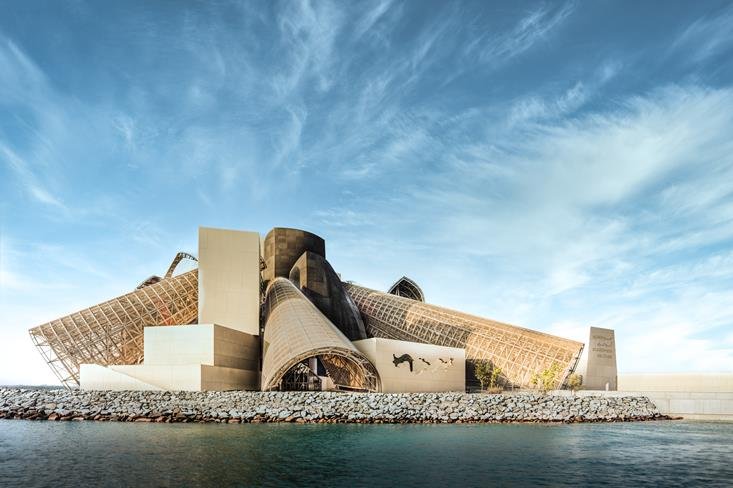
Guggenheim Abu Dhabi announced its official opening date last week, bringing a renewed sense of hope and optimism to the upcoming busy autumn season in the United Arab Emirates.